



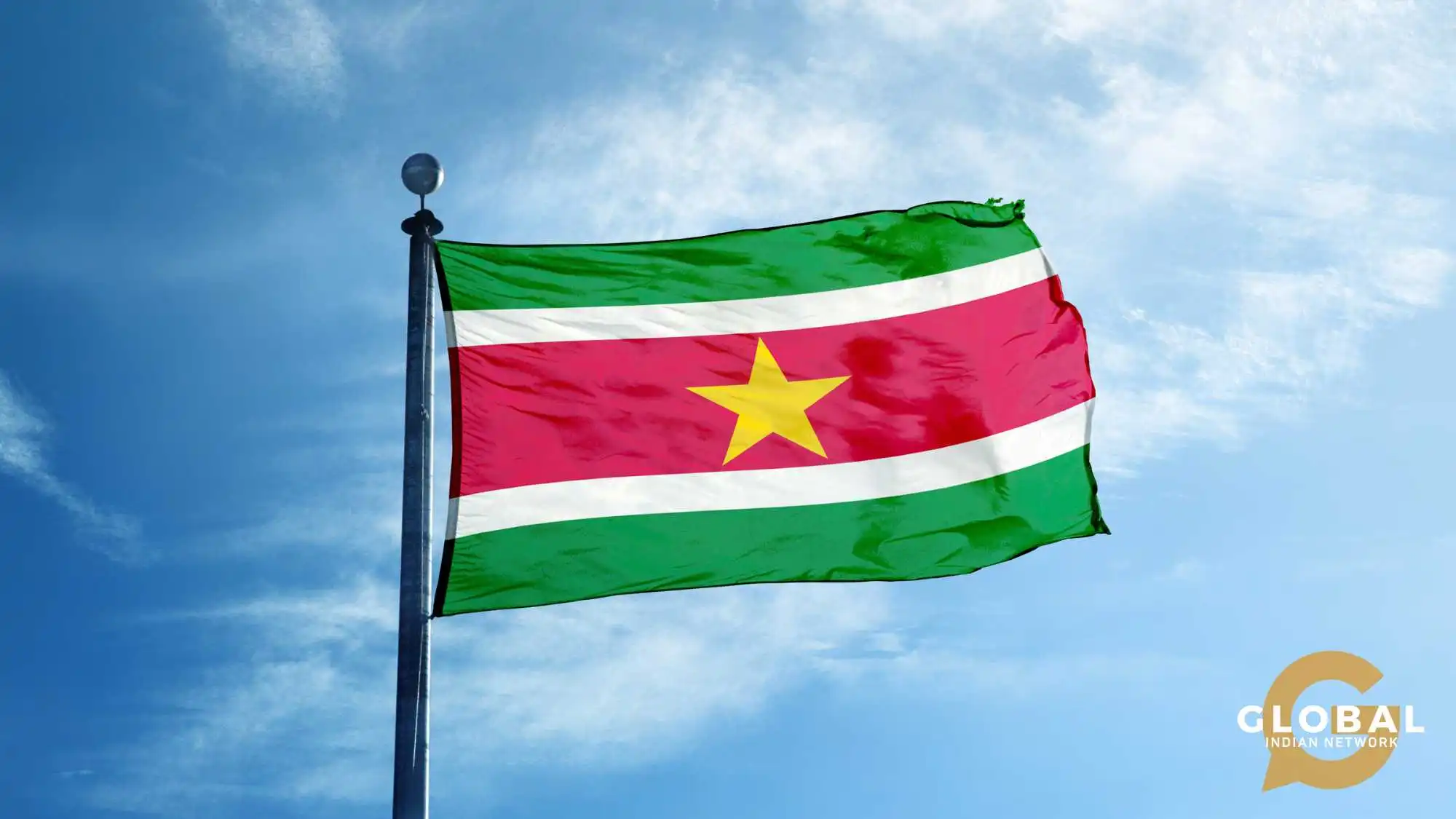

A conversation in Paramaribo can shift between Dutch, Sranan Tongo, and languages inherited from Indian, Javanese, African, and Indigenous communities. This linguistic diversity reflects centuries of migration, colonial influence and cultural exchange in one of South America’s most multicultural countries.
So, what is the main language in Suriname? Dutch is the official language, used in government, education, business and formal communication. However, Sranan Tongo is widely spoken as a shared everyday language. Other languages, including Sarnami Hindustani and Surinamese Javanese, remain important to community identity.
Understanding Suriname’s main language means looking beyond official policy. The country’s geography, migration history, international relationships and cultural connections all help explain why so many languages coexist.
Table of Contents
Dutch Remains the Official Language of Suriname
Suriname was a Dutch colony before gaining independence on 25 November 1975. Dutch remained the official language after independence and continues to shape the country’s administrative and educational institutions.
The Permanent Mission of Suriname to the United Nations identifies Dutch as the official language, alongside English, Sranan Tongo, Hindustani and Javanese as languages used in the country.
The United Nations has also documented Suriname’s multilingual population and the relationship between language, ethnic identity and cultural heritage. Its reports provide useful context for understanding how Dutch became the dominant institutional language.
Suriname’s position in South America makes this linguistic arrangement particularly distinctive. Unlike neighbouring countries where Spanish, Portuguese or English dominate, Suriname retains Dutch as its official language.
The country’s connections with the Netherlands Antilles also reflect the wider historical presence of Dutch language and institutions in the Caribbean. However, Suriname is geographically and politically distinct from the former Netherlands Antilles.
Sranan Tongo Connects People Across Communities
While Dutch dominates formal communication, Sranan Tongo has a different social role. It is an English-based creole that developed during the colonial period and became a common language among communities with different linguistic backgrounds.
Sranan Tongo is widely used in everyday conversations, popular music, informal business interactions and cultural expression. It is particularly useful in a society where people may speak different heritage languages at home.
The Suriname River is an important geographical feature around which communities and settlements have developed. Along river communities, local languages and cultural traditions remain significant, particularly among Maroon populations.
The Suriname River also illustrates why language cannot be separated from geography. Communities in the country’s interior have maintained distinct cultural identities, while urban centres such as Paramaribo have become important spaces for multilingual interaction.
For anyone asking what is the main language in Suriname, the distinction is straightforward: Dutch is the official language, whereas Sranan Tongo functions as a widely shared language of communication.

How Migration Created Suriname’s Linguistic Diversity
Suriname’s language landscape reflects its history of migration and labour movement. Indigenous communities inhabited the region long before European colonisation. During the colonial period, enslaved Africans were brought to work on plantations.
After slavery was abolished in 1863, contract workers arrived from India, Indonesia and China. Their descendants contributed significantly to the country’s cultural and linguistic identity.
This history explains the presence of several major heritage languages:
- Sarnami Hindustani: Developed from languages and dialects brought by Indian indentured labourers.
- Surinamese Javanese: Maintained by descendants of workers who arrived from Java, Indonesia.
- Saramaccan: A Maroon language with African and European linguistic influences.
- Aukan (Ndyuka): Spoken by Maroon communities.
- Indigenous languages: Include Kari’na, Lokono, Trio and Wayana.
The Indian connection is particularly interesting. Sarnami Hindustani preserves elements of North Indian linguistic heritage while developing into a distinct language variety in Suriname.
This heritage also connects Suriname with the wider Indian diaspora, including communities in the Netherlands, the United States and other countries.
What Is the Main Language in Suriname? The Role of International Organisations in Language Preservation
Suriname’s linguistic diversity is increasingly relevant to discussions about cultural preservation and Indigenous rights. The United Nations has repeatedly addressed the importance of protecting minority communities and their cultural identities.
The United Nations also provides a platform to discuss Indigenous rights, education, and the protection of traditional knowledge. For Suriname, these discussions matter because language is closely connected to community identity.
Conservation International is another organisation working with Indigenous, Maroon and local communities in Suriname. Its conservation programmes recognise the importance of traditional knowledge, cultural practices and community participation in protecting forests.
Conservation International’s work shows how environmental protection and cultural preservation can intersect. Traditional knowledge passed down through generations often includes information about forests, wildlife, and natural resources.
The organisation’s community-led approach also highlights why local voices matter. For communities living near the Suriname River, preserving traditional knowledge can be as important as protecting the surrounding environment.
Conservation International’s activities are relevant to the broader conversation about Indigenous identity. The United Nations has also recognised the relationship between Indigenous communities, cultural rights and heritage protection.
The United States offers another perspective through its Surinamese diaspora. Surinamese communities in the United States maintain connections with their heritage, including Sranan Tongo and other cultural traditions. Meanwhile, Conservation International’s work in Suriname illustrates the value of protecting the knowledge held by communities in their ancestral territories.

Suriname and Its Wider Dutch Caribbean Connections
Suriname shares historical linguistic connections with the former Netherlands Antilles. Both developed under Dutch colonial influence, although their language situations evolved differently.
In the former Netherlands Antilles, Papiamentu became a major everyday language on several islands, while Dutch retained official importance. Suriname followed a different path, with Sranan Tongo becoming a widely used common language alongside Dutch.
The Netherlands Antilles therefore offer an interesting comparison for understanding how colonial languages and local creoles develop in different societies.
The United States also has connections with Caribbean and Surinamese migration. Diaspora communities in the United States demonstrate how heritage languages can survive beyond national borders.
Similarly, the United Nations provides an international framework for recognising cultural and linguistic diversity. The United Nations has highlighted the importance of protecting the rights of ethnic and Indigenous communities.
For Suriname, the relationship between language and cultural identity extends beyond its borders. The former Netherlands Antilles, the United States and other international destinations form part of a wider conversation about migration and heritage.
What Should Visitors Know?
For visitors, Dutch is useful for official interactions, while Sranan Tongo can make everyday conversations easier. English is also understood in some urban and tourism settings, particularly in Paramaribo.
The Suriname River is a key geographical and cultural feature, especially for communities living along its banks. Travellers exploring the Suriname River and the country’s interior may encounter communities with distinct languages and traditions.
For Indian readers, Sarnami Hindustani is especially interesting because it preserves linguistic connections with India. Its development demonstrates how migration can create new cultural identities without completely erasing ancestral traditions.
The United States is home to people with Surinamese backgrounds, while the former Netherlands Antilles shares a different but related Dutch colonial history. These connections show how language travels with communities and adapts to new environments.
Conservation International’s work also reminds us that preserving cultural knowledge is closely connected to protecting the communities and environments in which traditions develop.
Ultimately, “what is the main language in Suriname?” has a clear answer: Dutch is the official language, while Sranan Tongo is the widely shared language of everyday communication. The Suriname River, the country’s Indigenous communities and its Indo-Surinamese heritage all contribute to this linguistic richness.
As global migration continues, the challenge will be to ensure that smaller languages remain part of everyday life rather than becoming historical records. Suriname’s experience offers an important lesson: national identity does not necessarily require a single language. It can be strengthened by allowing different languages and cultural traditions to coexist.

FAQs
What is the main language in Suriname?
Dutch is Suriname’s official language. However, Sranan Tongo is widely spoken in everyday conversations.
Is Hindi spoken in Suriname?
Yes. A language called Sarnami Hindustani, which developed from Bhojpuri, Awadhi and other North Indian languages, is spoken by part of the Indo-Surinamese community.
What is Suriname famous for?
Suriname is famous for its rich biodiversity, tropical rainforests, gold production, cultural diversity and colonial architecture. It is also known for the Central Suriname Nature Reserve, a UNESCO World Heritage Site.





[…] Alesi is a traditional Surinamese dish that dates back to the Dutch colony of Suriname. Originally an easy-to-go food among enslaved people, it has now become popular not only in the […]
[…] Suriname, a small yet resource-rich nation in South America, has the potential for significant economic growth and development. However, the country faces a formidable obstacle: corruption. From the highest government officials to local public officials, corruption has permeated various aspects of Surinamese society, hindering economic progress and undermining public trust. […]