




A first-person dispatch from a Global Indian Network member shaping their industry.
Every technological revolution arrives with the same prediction: machines will replace human creativity.
When television emerged, people feared the death of cinema. When streaming platforms exploded, critics predicted theatres would collapse. Now, with artificial intelligence transforming content generation, dubbing workflows, editing pipelines, and distribution algorithms, the familiar question returns: will technology replace storytelling?
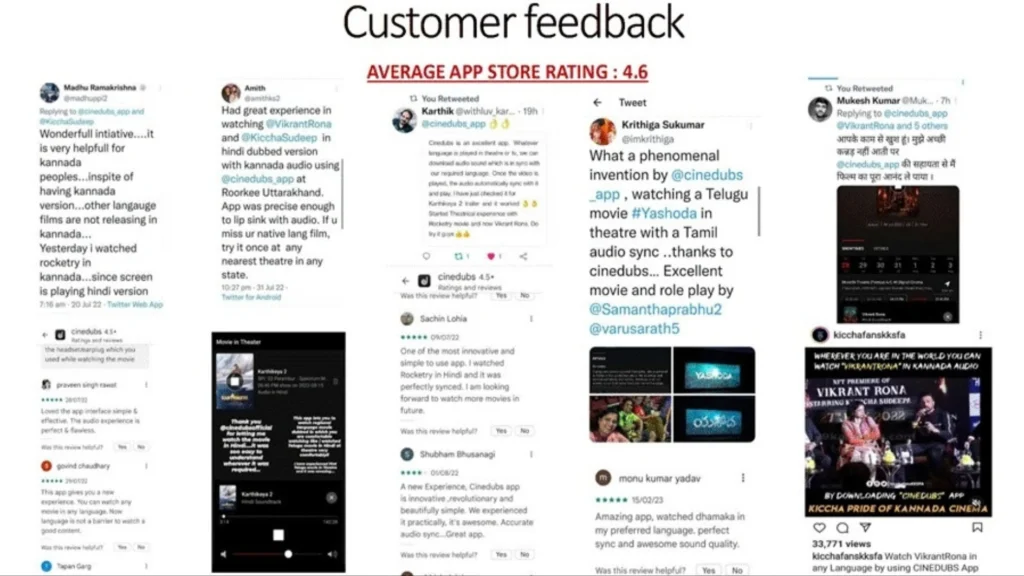
Having spent the last several years building cinedubs – a media-tech platform that uses synchronized audio to deliver multilingual cinema experiences in theatres – we have a clear view on this. The answer is no. And the reasons matter deeply for anyone building in the entertainment space.
Which technology actually changes
AI can generate scripts. It can synthesize voices, translate languages, and create visual effects at astonishing speed. Modern dubbing systems now preserve emotional tone, lip synchronization, and multilingual performance with increasing sophistication. Localization that once required months can now be compressed into days.
Yet none of these advances explains why audiences cried during a family drama, celebrated an underdog hero, or felt genuinely inspired by a character’s journey. Storytelling operates at a deeper psychological level than any of these tools can reach.
Humans understand the world through narrative. We remember stories more than data. We trust people who communicate emotionally. Civilizations have passed down values, traditions, and identities through storytelling long before digital technology existed. AI changes the tools. It does not change the need.
The abundance problem and why it elevates authentic stories
In fact, we would argue that the automation era increases the importance of authentic storytelling precisely because audiences are now overwhelmed by content abundance. Every platform competes for attention. Infinite videos, podcasts, shorts, reels, and AI-generated media flood daily life. Technology creates volume. Storytelling creates connection.
Today’s audiences are no longer impressed by technology alone. Visual spectacle has become normalized. Audiences now expect high-quality CGI and sophisticated production techniques. What differentiates successful content now is emotional resonance.
Why do regional Indian films increasingly succeed nationally and globally? Not because of larger budgets. Often, they deliver culturally grounded stories with authenticity and emotional conviction. Audiences reward sincerity.
Featured Conversation
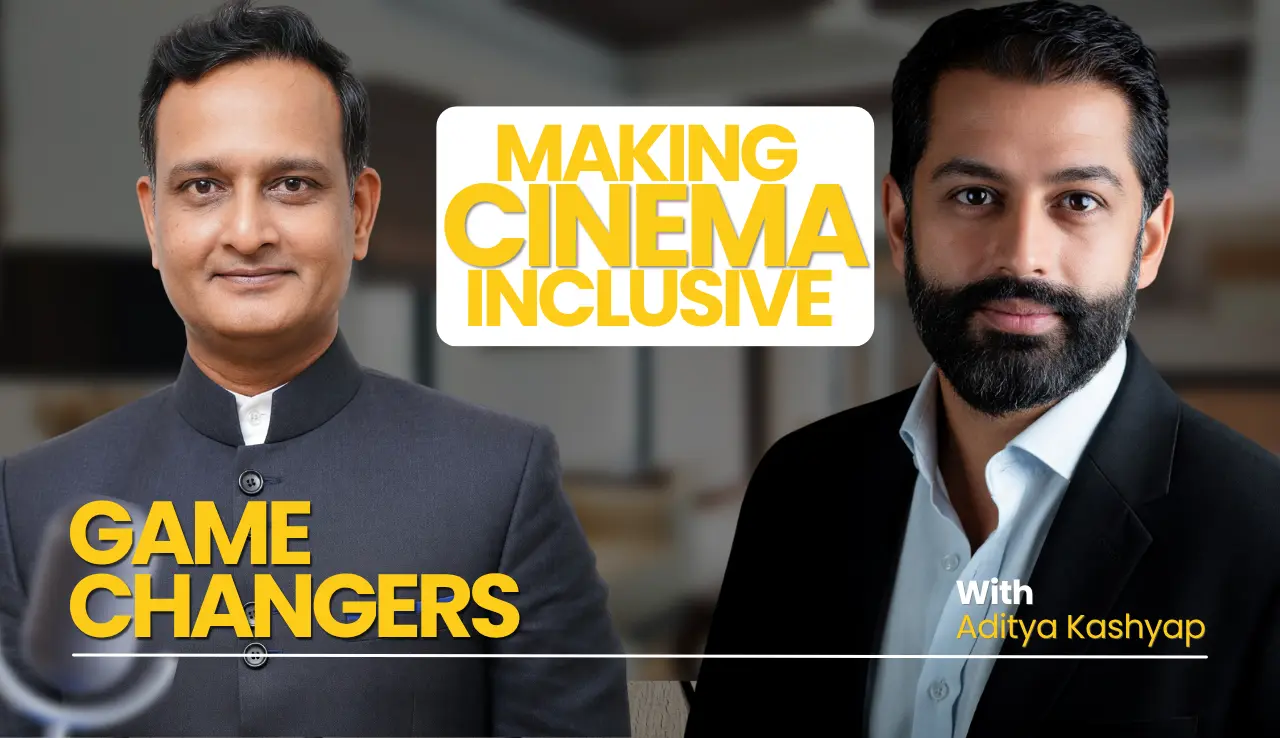
How Technology is Making Cinema Truly Inclusive
with Aditya Kashyap
As part of our Member Stories series, Aditya Kashyap, Co-founder and Managing Director of cinedubs, explores a deceptively simple but deeply transformative idea: everyone deserves to experience cinema in a language, and in a way that feels personal to them.
What cinedubs teaches about balance
"With 30+ years of leadership experience across industries and now as Co-Founder of cinedubs, I have had a front-row seat to what happens when you put sophisticated technology in service of something as ancient and irreplaceable as a good story."
– Aditya Kashyap
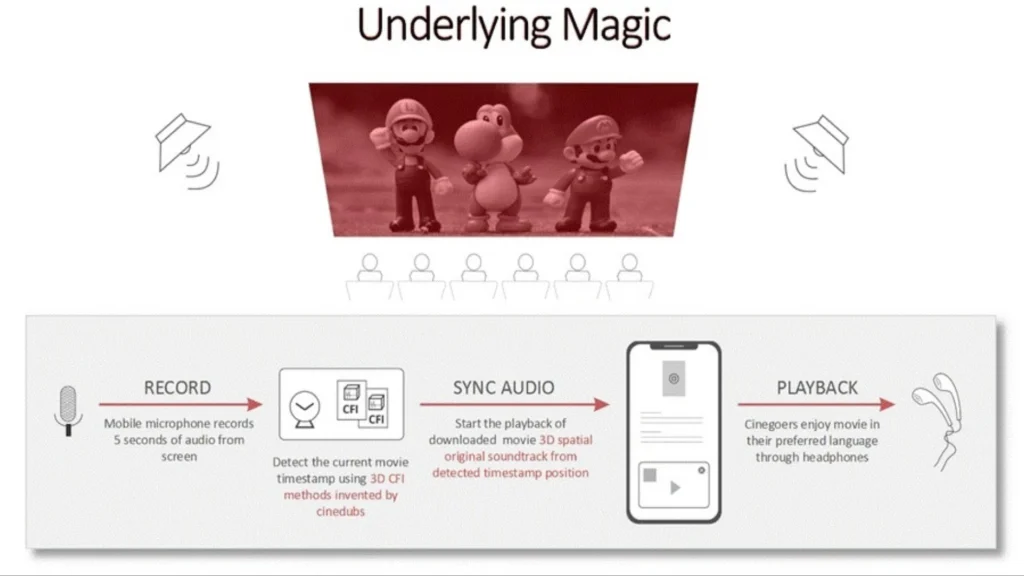
Building cinedubs sits at this exact intersection. The technology itself is impressive – patented audio synchronization using 3D CFI methods, DRM-secured distribution, geo-fenced playback, and AES-256 encryption. We are genuinely proud of what the engineering team has built.
But here is what the cinedubs team tells every new team member: cinedubs does not create stories. It expands access to them.
A powerful story from one linguistic region can now emotionally connect with viewers from another region without forcing either the filmmaker or the audience to compromise their experience. The technology is a bridge. The story is still the destination.
That distinction shapes every decision we make – from the dubbing quality standards we enforce, to the partnerships we choose, to the features we prioritize. A synchronized audio experience that feels mechanical or emotionally flat defeats the entire purpose of what we built.
The leadership implication
This extends beyond cinema. Brands today compete through narratives more than products. Political movements succeed through stories more than policies. Leadership itself increasingly depends on communication, vision, and emotional intelligence.
Even in business, storytelling wins because humans make decisions emotionally first and rationally second. The leaders and organizations that understand this will consistently outperform those who treat communication as purely functional.
As synthetic content becomes common, audiences will increasingly crave authenticity, cultural nuance, and emotional depth. Generic automated content risks creating fatigue. Distinctive voices matter more, not less. Creators who build loyal audiences do so through personality, perspective, and emotional relatability – qualities that remain difficult to automate meaningfully.
The future is being built
AI will continue transforming the entertainment industry. Localization will become faster and more affordable. Editing workflows will become smarter. Production costs will likely decrease substantially. Personalized entertainment experiences will grow in sophistication.
But storytelling will remain the strategic centre. People don’t gather around technology alone. They gather around meaning.
The future of entertainment does not belong to AI versus creativity. It belongs to ecosystems where technology empowers storytellers to reach wider audiences without losing emotional authenticity. That is a far more exciting future than the replacement narratives suggest.
Cinema will evolve. Platforms will evolve. Distribution models will evolve. The timeless power of stories, to inspire, unite, challenge, heal, and entertain will remain untouched.

Membership
A Private Circle for Global Indians
Join a trusted community of founders, investors, policymakers, and cultural leaders shaping the global Indian story across 46+ countries.