


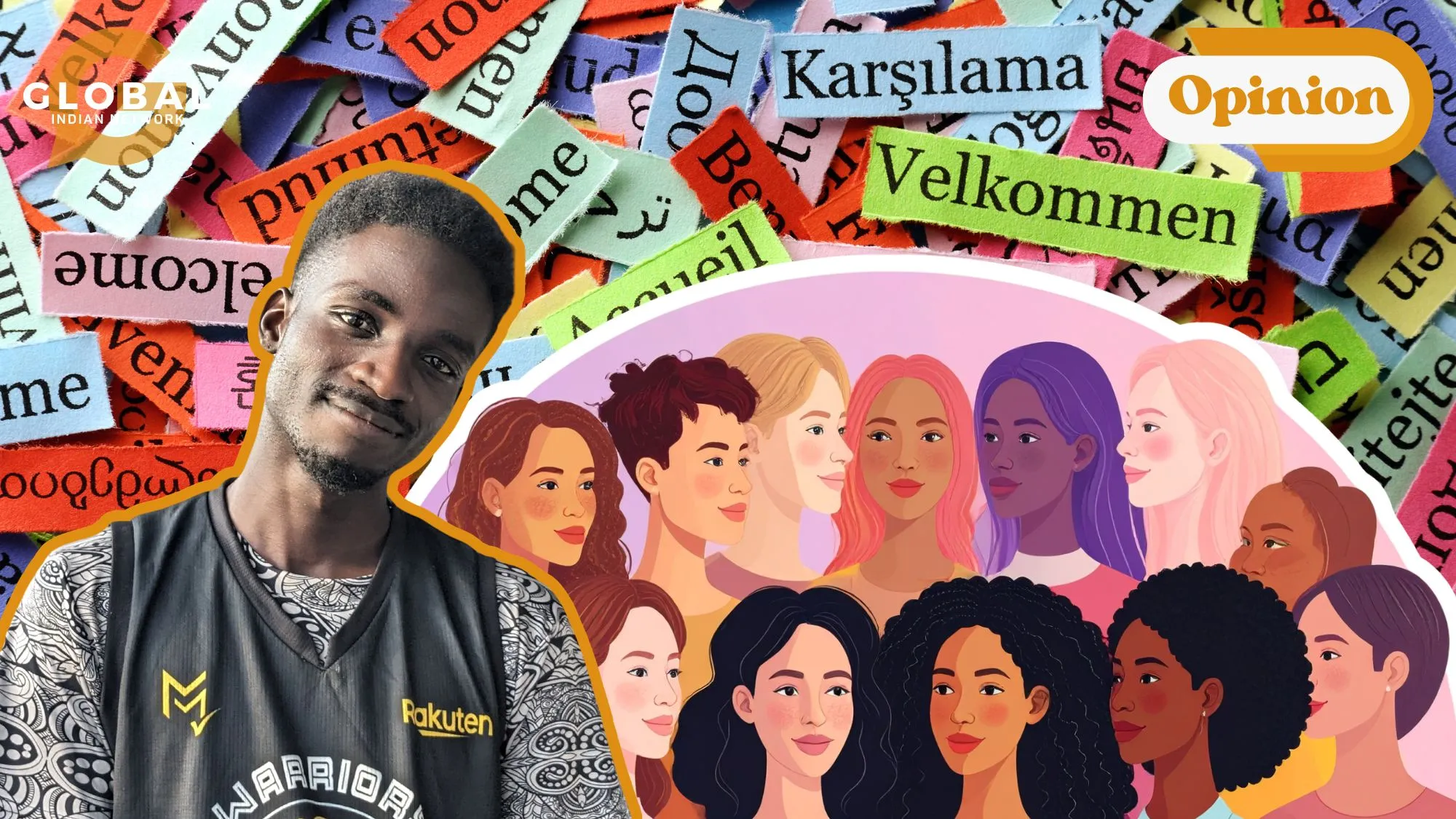

Women’s language, despite its many dimensions, is sometimes unfairly reduced to just the tool through which we communicate. Communication is, without contention, the primary service of a language; however, language also forms for us a way and manner in which we can interact and, more importantly for this article, perceive the world around us. Language conditions our beliefs, both explicitly and implicitly, often through repeated exposure. To draw a grim example, there’s a reason all acts of genocide are preceded by a campaign of dehumanizing language.
In a similar manner, the language with which we use to address the women around us, whether directly or indirectly, is often laced with misogyny. In this article, which is to be part of a series, we aim to examine the ways language has been implicitly weaponised against women; with respect to this article, the examination centers around descriptors of femininity and how we talk about or rather shouldn’t talk about, women.
To Throw Like a Girl and Other Insults
For any child, specifically boys, the height of physical ineptitude was to be compared to a girl, this has not only led to generations of emotionally stunted men as they associate the processing of all human emotions with the femininity they have been taught to demonize since their childhoods but it has also created the association between whatever is considered to be a feminine trait and weakness not just physically (throw like a girl) but also emotionally (cry like a girl).
These idioms not only demean women and girls in the moment they are used, but they also reinforce stigmas in ways that seem implicit and harmless but actually are very harmful. As stated, language provides the tools by which we interact with the world, especially its metaphysical aspects. This then creates the loop of implicit misogyny, which informs implicit biases against women.
Female Drivers and How Language Represents Women
One of the many ways you may have noticed women are referred to in the endless stream of headlines that is the modern news cycle is a gender-marker before their profession. It must be said that at times this is intended to celebrate the achievements of women in certain fields.
Oftentimes, that is not the case; in fact, this is usually done with unintended malice, treating men and male figures as the default. When one hears a doctor and a nurse, they immediately assume that the doctor is male and the nurse a woman, despite us knowing through many of our personal experiences (and the myriad of medical shows that seem to always be on the air) that male nurses and female doctors are a fairly common occurrence.
By treating men as the default, women are implicitly excluded or diminished even in spaces that they occupy; this has the consequence of viewing women in these spaces as underqualified, especially considering the associations between female markers and most things, particularly in English, are particularly negative.
This can be further observed in the infantilisation that follows women even into adulthood, where women are referred to as girls. This creates the perception of a lack of ability and agency. Most women have become accustomed to being treated with a degree of condescending attitude by male peers for simply being women.
Conclusion
There are more dimensions of language through which women are harmed, some even more explicit with their use of slurs and derogatory language that is often directed at women. However, many men who claim to not be misogynistic but display misogynistic tendencies will often claim to not be, as they do not display the more extreme views. However, as we have seen, the implicit can be harmful as well and, in actuality, develops the explicit denigration that women become exposed to over time. It is through the conditioning of a society that women are portrayed as mildly clueless girls and incapable female drivers are second-class citizens that acts of overt misogyny are normalized before they even materialize.
Let us know your thoughts. If you have burning thoughts or opinions to express, please feel free to reach out to us at larra@globalindiannetwork.com.