



A first-person dispatch from a Global Indian Network member shaping their industry.
How a career in Los Angeles and Vancouver led to a purpose-driven creative ecosystem on India’s west coast
A particular silence falls over a film set just before the camera rolls. I have felt it in Los Angeles and in Vancouver, and it has never stopped being magical. Today I feel a version of it in a very different place: a creative studio in Goa, where the Arabian Sea is never far away.
My move from major entertainment hubs to India’s west coast was not a retreat from the industry. It was an evolution, and it began with a question I could no longer ignore: what is storytelling for?
Learning the craft where the industry lives
As a producer and writer, I spent years inside professional film and television. Los Angeles and Vancouver teach you discipline: how to build a schedule that respects both the budget and the artists, how to protect a script, and how to hold a crew together when weather, light, and money work against you. Those years gave me production standards I still rely on daily, not as a matter of polish but as respect for everyone’s time, talent, and safety.
But big hubs have limits. And the audience sits in the dark and receives. We make, and they watch.
What “interactive” really means
In 2016, I founded Earth One Media to spark conversations that lead to solutions for humanity. When people hear “interactive media”, they picture headsets or branching storylines. My definition is simpler: ‘interactive’ means engaging the audience beyond passive viewing. Viewers are rarely called to action. I want to create programming that incites, inspires, and sparks a desire to respond and gives people the tools to drive change.
The clearest example is 30ZeroZero, a 30-day program designed to change consumer behaviour. It takes about three weeks to ingrain a new habit; by the end of a month, it becomes routine. I conceived it after returning to Canada from a lengthy absence, shocked at how wasteful people in North America had become. (Sometimes we have to walk away from the base of the mountain to see its peak.)
The program was broken into 30 units and launched in honour of Earth Day (April 21st). Each day presented a small challenge: saving water, using natural cleaning products, exploring sustainable fashion, and reducing waste. For Earth Day itself, I designed a game that sent people walking through the park, hunting for hidden QR codes and scanning them for clues, environmental tips, habitat preservation facts, and local history.
The Imagineer process
People ask how an idea becomes a finished product. Nothing happens by accident. I observe daily, and inspiration arrives in what I see and hear. With 30ZeroZero, I noticed QR codes, a technology used for inventory, marketing, and sales, and recognised that it could serve another purpose entirely: gameplay.
Technology, used responsibly
I have a long history with technology. As a teenager, I worked after school and on weekends at Radio Shack, where I was introduced to electronics, computers, and even the first video game, Pong. Over the years, I have watched how deeply that double-edged sword cuts through society, which is why I believe we must use it responsibly. Instead of manipulating or subliminally messaging audiences, I present options that allow critical thinking, problem-solving, and genuine inspiration.
My use of AI is limited and controlled. I use it sparingly for research or content feedback. I learned to find information with card catalogues and microfiche, and while my methods may be outdated, I often find material AI overlooks. “Garbage in, garbage out” is a lesson worth remembering. I have learned to listen but always to be skeptical.
Writing for a global audience
I was recently commissioned to create and write a series for India, with a producer who wanted a programme that would resonate globally. The dark comedy was challenging, because what makes people laugh differs enormously across cultures. I looked for comedic moments meaningful to an international audience and gave each of the eight episodes a topic suited to global issues: addiction, child trafficking, organ harvesting, suicide, and other crimes that are universal in nature. By following news stories that had gone viral, I tapped into subjects that already engaged people.
Ahead of its time
More than twenty years ago, I designed a virtual game around characters, real and imagined, who lived in Venice Beach, California. Players could interact with residents such as the parking enforcement officer or the tattoo artist and shop for products from the boardwalk. Viewers could suggest storylines, create connections between characters, and influence the game.
In 2010, we built a dating platform that blended speed dating with online dating. Participants met at flash mob events and scanned each other’s QR codes to capture profiles, and contact details were shared only if both parties agreed. Very few people understood QR codes or had an app to read them, and the concept never gained traction. As with many such experiments, we were ahead of our time. Each failure taught us how to avoid pitfalls and shape projects ready for the public market.
Story first
Balancing interaction with narrative is tricky, because audiences can easily hijack your intentions. You have to give people enough freedom to participate without letting them take control of the outcome.
That is part of why Goa suits us. A decentralised studio can be led by purpose, choosing projects because they matter rather than because they fit a market template. The markets are saturated with fantasy, horror, violence, and divisive content, so I have shifted toward more authentic storytelling: giving people the tools and knowledge to build a more cohesive future, inspiring critical thinking, and encouraging a healthier lifestyle that helps preserve our resources for generations to come.
You can use every technology available, but the core story or message will always remain the most important element.
About Alison Richards:
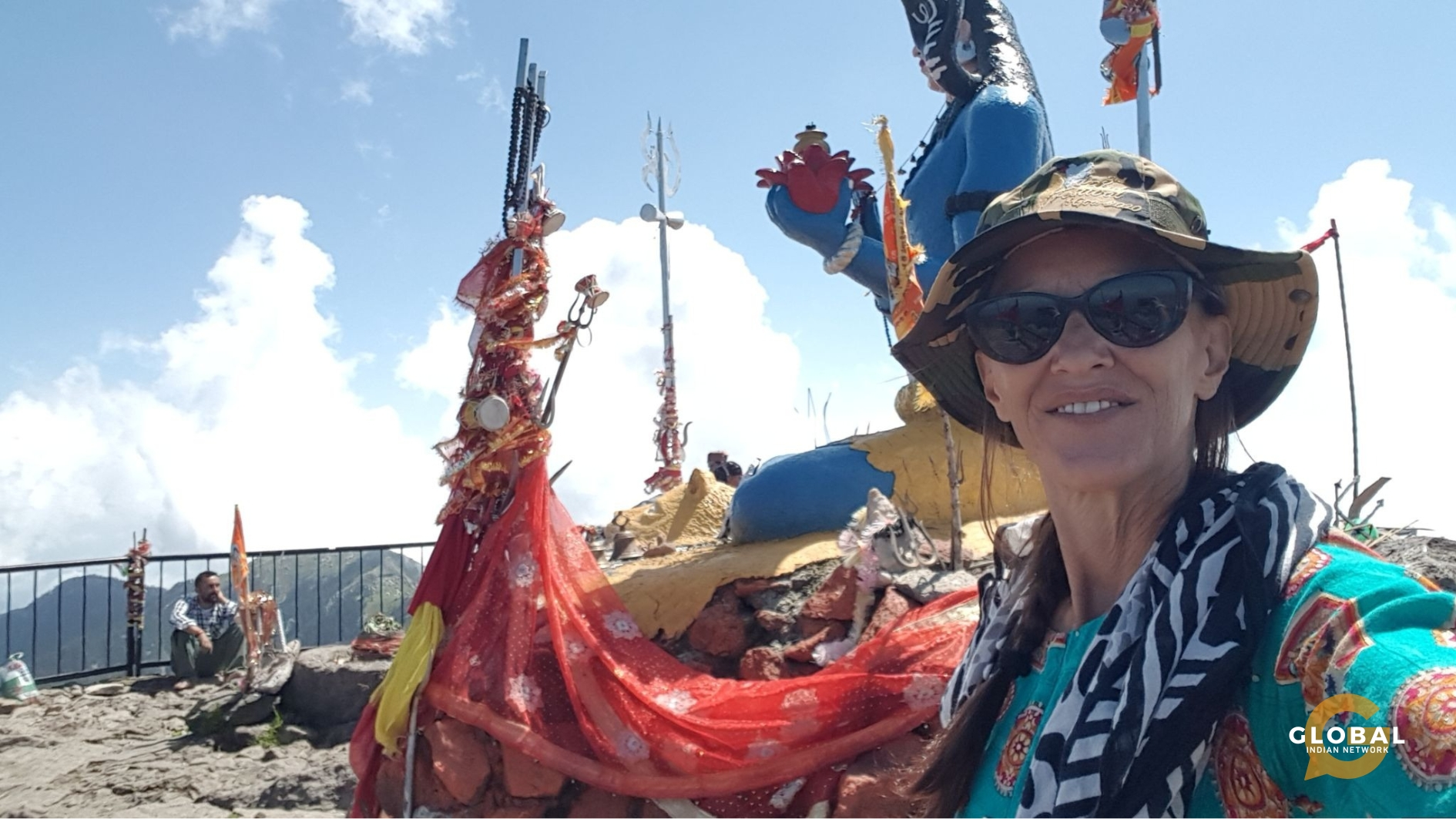
Alison Richards is an award-winning producer, writer, media educator, and the founder and Chief Imagineer of Earth One Media, based in Goa, India. Having travelled to more than 50 countries across five continents, Alison brings a global perspective to the challenges facing communities and the practical solutions that can create meaningful change.
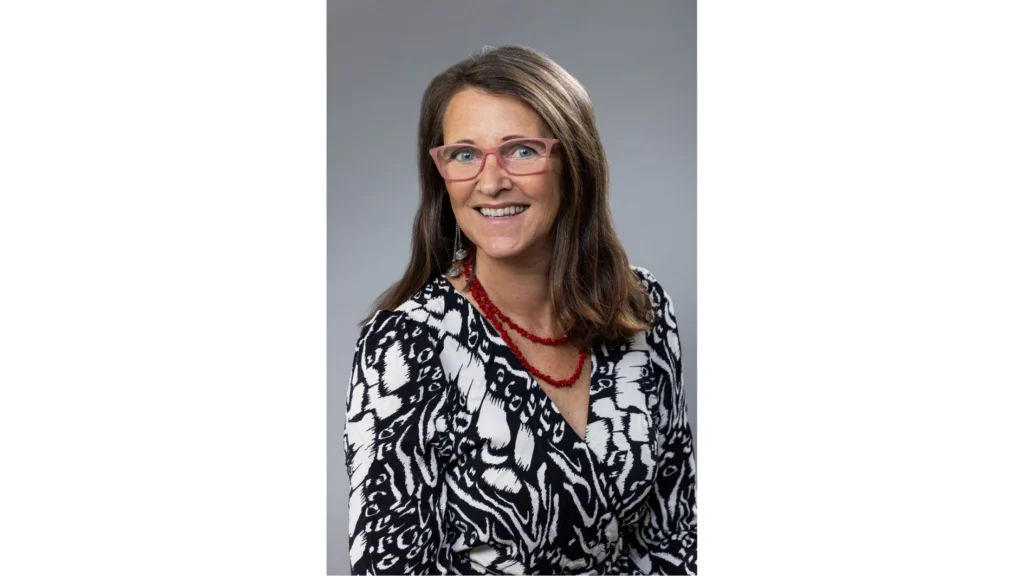
Alison draws on her deep knowledge of cultural traditions, corporate secrets, global storytelling, and leadership to create content that resonates across generations. While her work appeals to audiences of all ages; she is particularly committed to equipping future leaders with the insight, empathy, and practical tools needed to build healthier, more connected communities.
Alison’s mission is to provide authentic entertainment and experiences that positively impact audiences while calling citizens to action.
Membership
A Private Circle for Global Indians
Join a trusted community of founders, investors, policymakers, and cultural leaders shaping the global Indian story across 46+ countries.