


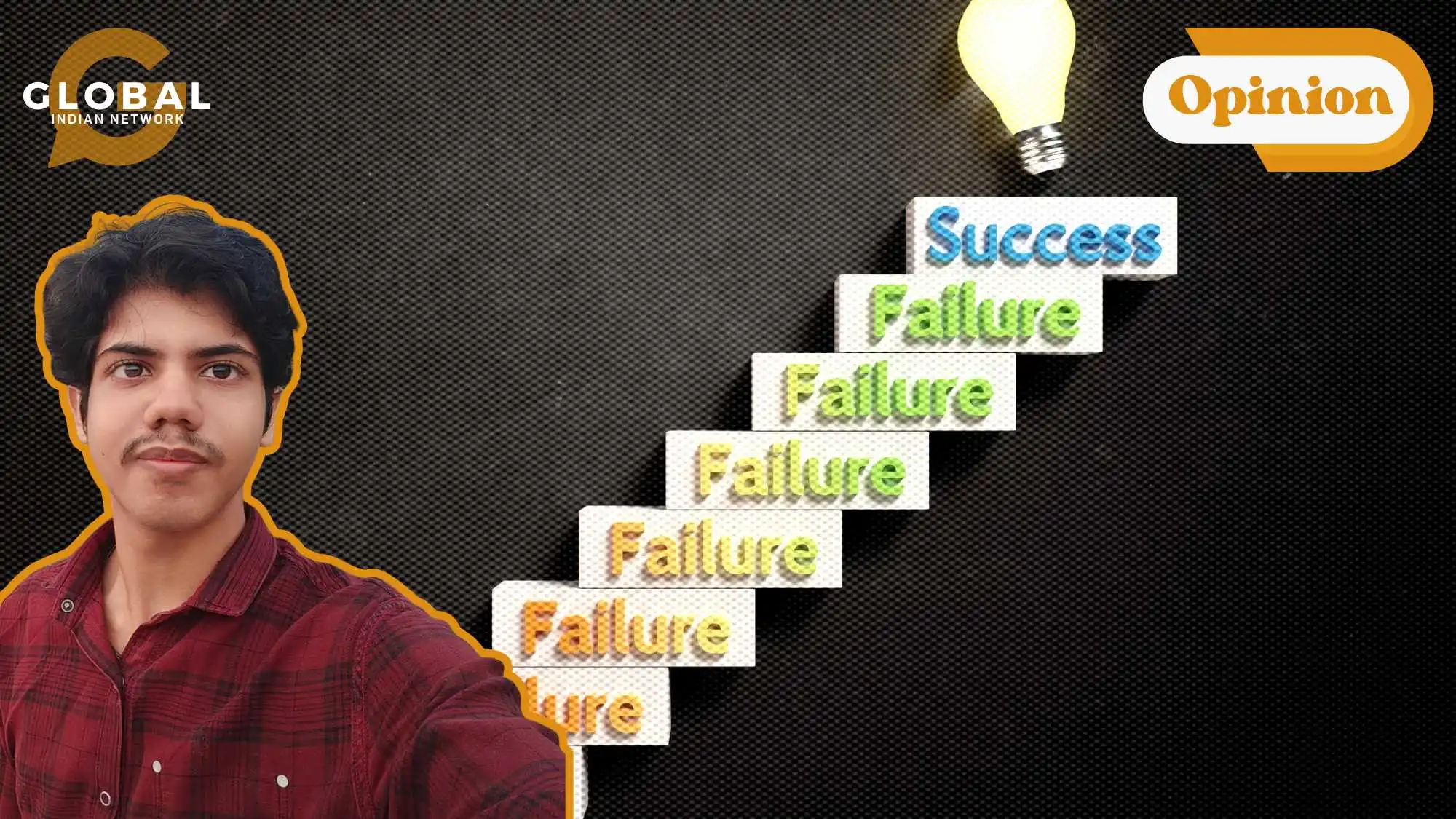

Often, success is spoken of as the end goal, and failure is the path to that success. Failure and success challenge this notion and invite consideration of the impact of failures on resilience, innovation, and long-term success.
Beyond Winning
Success is often rewarded for visible achievements, and failure is often blamed, while the learning outcomes that emerge from failure go unrewarded. But the relationship between failure and success indicates that success often does not happen linearly. All worthwhile achievements are typically accompanied by numerous changes, errors, and retries.
When we fail, we have the chance to challenge the way, refine our plans, and discover areas of still more strength that may have been missed during success. Wins can help build confidence, but losses can help develop character.
From around the world, professionals, entrepreneurs, scientists, and artists have proven that sometimes, failure is the way to greatness. Failure and success are not matters of choosing one or the other, but of recognising the value of both in personal and professional growth.
Lessons From Failure and Success
The best thing about failure is that it gives you good feedback. Success indicates that a strategy has been effective, and failure indicates that improvement is needed. This distinction is a key concept for anyone seeking long-term excellence and lies at the heart of both failure and success.
Often, failure will teach you these tips:
- Better decision-making under pressure.
- Greater emotional resilience.
- Improved problem-solving skills.
- Increased adaptability to change.
- A clearer understanding of strengths and weaknesses.
They’re not necessarily acquired by constant success. On the contrary, they grow out of repeated learning and ongoing improvement.
Studies in psychology have consistently shown that people who treat setbacks as learning experiences bounce back more quickly and, over time, do better. This growth mindset strengthens the link between failure and success, framing failure as a stepping stone rather than a dead end.
Innovation Through Setbacks
Innovation often starts with failures, as history shows. The process of scientific advances, technological breakthroughs, and business advancements is not a process of perfection. They grow by trial and error, rather.
| Success Alone | Failure Before Success |
| Builds confidence | Builds resilience |
| Validates existing methods | Encourages innovation |
| Reinforces current skills | Reveals knowledge gaps |
| Creates recognition | Develops adaptability |
There are many well-known organisations worldwide that encourage experimentation since the important thing is to learn from failure. Failure and success are a recurring process, with engineers, researchers, and innovators continually testing and refining their ideas in the face of unsuccessful trials.
This mindset aligns with India’s growing contribution to the world of technology and entrepreneurship. The idea of learning through iteration and not expecting perfection is something many people who start businesses and innovate are adopting, and many organisations around the world are following suit.
Emotional Strength
Failure is not just about success in the workplace; it also influences emotional maturity. Failure brings out patience, humility, and persistence that cannot be found when things are easy.
When times are uncertain, emotions are crucial in the failure and success equation. People who have come through setbacks tend to be more confident, as they have gained it from previous experiences rather than from continuous wins.
Resilience involves:
- Accepting setbacks without giving up.
- Learning from constructive criticism.
- Adjusting goals when necessary.
- Remaining focused despite temporary disappointment.
These attributes enable people to face future challenges with more stability and confidence. Failure is not the end for them; it is a step toward success.
Balancing Both
Failure is valuable, but so too is success. Motivation, recognition, and evidence that effort has been rewarded with achievement. It is never about the glory of failure; it’s about the learning.
Failure and success are not opposites; they’re connected in a balanced perspective. The absence of success can breed complacency, and failure to learn from repeated failure can be futile.
Healthy growth depends on maintaining equilibrium:
- Celebrate achievements without becoming overconfident.
- Analyse failures without becoming discouraged.
- Continue improving regardless of recent outcomes.
- Focus on consistent progress instead of perfection.
There is more employment value in being adaptable as the world of work changes so fast. Mistakes can make employees more effective than those who take no risks.
A balanced awareness of failure and success will create a sustainable improvement, not a short-term success.
The Bigger Picture
Successful accomplishment in any culture or in any industry seldom happens without difficulties. Failure has been a constant in the lives of people who would benefit their future by being in science, business, education, and service.
Professionals from India, in the tech, healthcare, research, and entrepreneurship spaces, among others, often show that learning is more important than error prevention. They are all examples of adapting and enduring to make progress.
Finally, failure and success aren’t about having to choose between two mutually exclusive choices. Success is measured by results; failure is often a defining experience of the person who can create success.
Perhaps the better question to ask is, “Can you achieve success without failure?” rather than “Is failure better than success? The answer for many people and groups seems to be no. Each failure is a lesson, every challenge is a learning opportunity, and every success is a chance to learn.
Failure and success have a long history of working together, reminding us that success is the visible goal and failure can be the invisible teacher leading the way. Humility and determination are the ingredients for sustainable excellence in a competitive world for those who open themselves to both.
Let us know your thoughts. If you have burning thoughts or opinions to express, please feel free to reach out to us at larra@globalindiannetwork.com.