



When India negotiates a strategic partnership, seeks investment from overseas markets, or responds to a crisis affecting its citizens abroad, its diplomats are not the only people influencing the outcome. Millions of Indians and people of Indian origin living overseas have built relationships with foreign governments, businesses, universities, and political institutions that influence how the world engages with India.
This global network has become an increasingly significant dimension of India’s foreign policy. From the Indian-American community’s involvement in strengthening India-US relations to diaspora professionals connecting businesses across borders, overseas Indians contribute to India’s diplomatic reach in ways that extend beyond traditional government channels. Their influence shows how India’s foreign policy intersects with economic interests, diplomatic relations, cultural connections, and the pursuit of national interest.
Table of Contents
From Non-Alignment to a More Connected Global India
India’s approach to international relations has evolved considerably since independence. During the Cold War, Jawaharlal Nehru championed the Non-Aligned Movement, seeking to preserve strategic autonomy rather than formally align India with either the American or Soviet bloc. National interest, anti-colonial solidarity, and non-interference shaped Indian Foreign Policy during this period.
India’s relationship with its overseas communities also reflected these priorities. The government generally encouraged Indians who had settled abroad to identify with their countries of residence rather than become directly involved in Indian political affairs.
Economic liberalisation in 1991 gradually changed this relationship. As India opened its economy, overseas Indians became increasingly valuable sources of investment, professional expertise, entrepreneurship, and international business connections. The expansion of India’s technology sector created additional opportunities for economic cooperation and stronger bilateral relations.
Today, India’s foreign policy increasingly recognises that relationships between countries are shaped by more than official negotiations. Personal networks, business partnerships, cultural familiarity, and political advocacy can complement the work of the Ministry of External Affairs (MEA), India’s diplomatic missions, and the Indian Foreign Service. These connections help strengthen diplomatic relations while supporting India’s broader international objectives.
How the Global Indian Community Influences India’s Foreign Policy
Political Advocacy and Diplomatic Relations
One of the clearest examples of diaspora influence is the Indian-American community’s contribution to improving India-US relations.
The negotiations surrounding the 2008 India-US civil nuclear agreement demonstrated how overseas communities can influence foreign policy. Indian-American organisations mobilised support among US lawmakers, engaged with policymakers, and helped communicate the strategic importance of closer cooperation with India. Their advocacy formed part of a wider diplomatic effort that secured congressional support for the agreement.
The significance extended beyond nuclear energy cooperation. The agreement helped lay the groundwork for a broader strategic partnership involving defence, technology, trade, and regional security.
This illustrates how diaspora communities can complement formal diplomacy. By participating in public discussions, building relationships with elected representatives, and explaining India’s interests to foreign audiences, they can help create political support for bilateral cooperation. Such engagement can strengthen diplomatic relations and encourage cooperation on trade agreements, military cooperation, and international security.
However, diaspora influence varies across countries. Its effectiveness depends on political participation, organisational capacity, credibility, and the host country’s institutions. It complements rather than replaces negotiations conducted by the Ministry of External Affairs and India’s diplomatic representatives. Ultimately, the Indian government remains responsible for official foreign policy decisions.
Economic Connections and Foreign Investment
The economic influence of overseas Indians is another important consideration in India’s foreign policy.
Diaspora professionals and entrepreneurs often maintain commercial relationships with India while building careers abroad. These connections can facilitate Foreign Direct Investment (FDI), encourage technology transfers, support startups, and introduce Indian businesses to international markets.
India’s information technology industry provides a useful example. Professionals of Indian origin working in global technology companies have helped strengthen commercial networks between India and major technology centres, particularly in the United States. These relationships support collaboration in research, innovation, digital infrastructure, and advanced manufacturing.
Remittances also matter. According to the World Bank, India received approximately US$129 billion in remittances in 2024, making it the world’s largest recipient. Although these transfers are private financial transactions rather than diplomatic instruments, they strengthen household incomes and contribute to India’s external financial position.
These economic links can support broader foreign policy objectives by deepening interdependence between India and its international partners. They can strengthen bilateral relations, encourage economic cooperation, and create opportunities for Indian businesses to participate in global supply chains. Nevertheless, private investment decisions are driven by commercial considerations and do not necessarily align with national diplomatic priorities.
Soft Power, Cultural Exchange, and India’s Global Image
India’s international image is shaped partly by the everyday experiences of people who encounter Indian culture through overseas communities.
Yoga studios, Indian restaurants, film festivals, classical music performances, and cultural associations introduce foreign audiences to different aspects of Indian society. Indian-origin academics, business leaders, artists, and public officials also contribute to how India is understood internationally.
This cultural influence supports the country’s soft power: its ability to attract and persuade through culture, values, knowledge, and reputation rather than coercion.
The Indian government has sought to strengthen these connections through initiatives such as Pravasi Bharatiya Divas, which provides a platform for overseas Indians to engage with policymakers and explore collaboration opportunities. The Ministry of External Affairs also supports diaspora engagement through programmes that strengthen cultural connections, education, and community welfare.
For India’s foreign policy, these relationships offer a valuable diplomatic resource. Cultural familiarity can encourage tourism, educational exchanges, business partnerships, and greater public interest in India. Through public diplomacy and cultural exchange, overseas communities can strengthen diplomatic relations and deepen understanding of India’s international priorities.
Yet soft power is not entirely within the government’s control. Discrimination, domestic political controversies, or tensions between diaspora communities and local populations can complicate the image India seeks to project.
The Diaspora in a Changing Geopolitical Order
Strategic Partnerships and Global Cooperation
India’s international position is increasingly influenced by competition between major powers, changing supply chains, and emerging security challenges. Its relationships with the United States, Europe, Japan, and countries across the Global South reflect an effort to expand cooperation while preserving strategic autonomy.
The global Indian community can contribute by connecting institutions, facilitating business relationships, and encouraging dialogue across political and cultural boundaries.
Consider the Quadrilateral Security Dialogue, involving India, the United States, Japan, and Australia. The grouping’s work on maritime security, critical technologies, and regional cooperation depends on government-to-government engagement. Diaspora networks do not determine its direction, but professional and commercial connections can complement the wider relationships that sustain this strategic partnership.
Similarly, India’s Act East Policy strengthens engagement with Southeast Asia, while the Neighborhood First Policy emphasises relations with neighbouring countries in South Asia. Overseas Indians can help Indian companies understand foreign regulatory environments and identify opportunities for trade, investment, and bilateral cooperation.
India’s participation in international organisations, including the United Nations, BRICS, and the G20, further reflects its ambition to influence global governance. Through these platforms, India engages with other countries on development, economic cooperation, climate change, and international peace and security. Its 2023 G20 presidency also highlighted priorities such as digital public infrastructure and the interests of developing economies.
Diaspora professionals can contribute to these objectives through research, entrepreneurship, institutional partnerships, and international advocacy. However, strategic decisions concerning border disputes, the Indian Ocean, relations with China, and national security remain primarily the responsibility of India’s government.
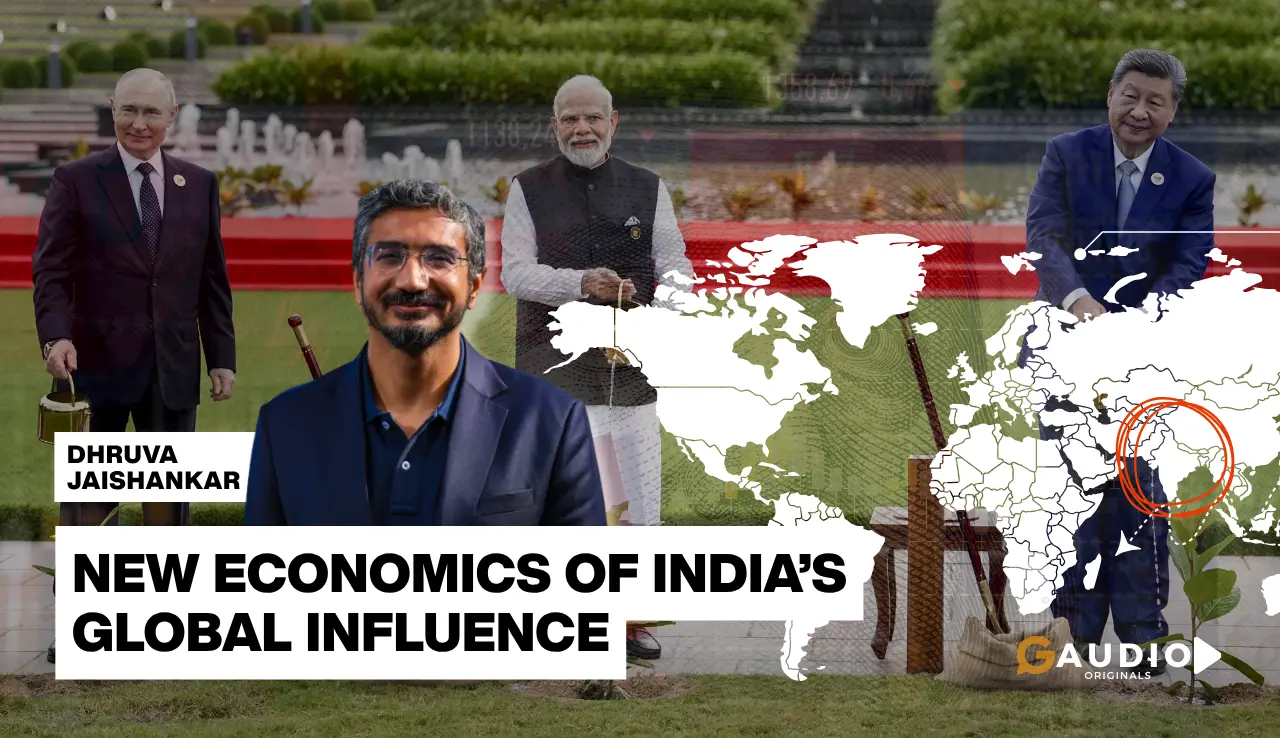
Featured Conversation
The New Economics of India’s Global Influence
with Dhruva Jaishankar
What holds the India–US relationship together when tariffs, energy and immigration keep pulling at it? How does India deal with Washington, Brussels, Moscow and the Global South at once without picking a side? And as aid gives way to investment, what leverage does a country actually have to offer?
What Dhruva Jaishankar Says About India’s Global Influence
Understanding diaspora engagement also requires looking at India’s wider economic and geopolitical ambitions.
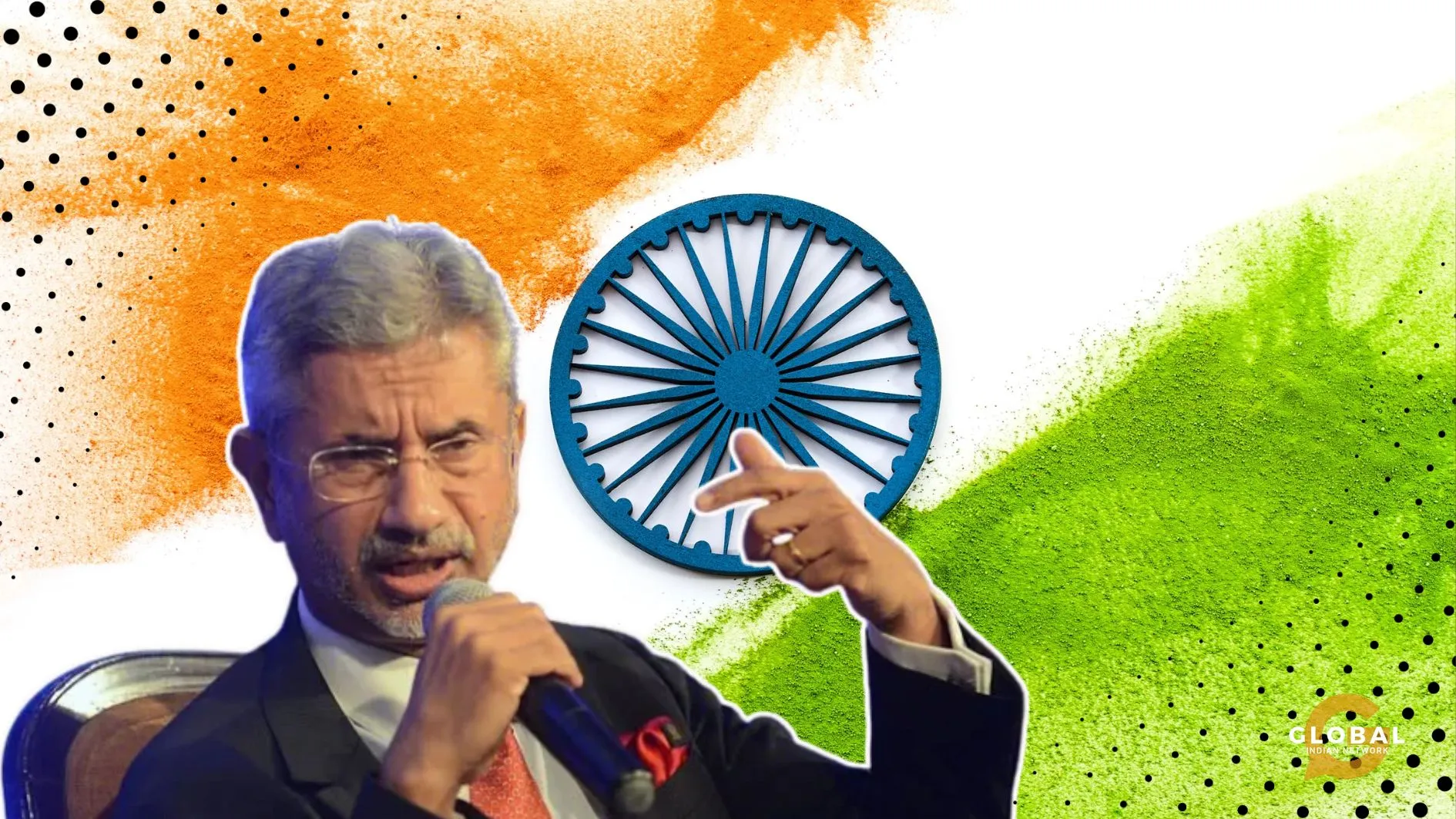
On our Brown Business podcast, Dhruva Jaishankar, Executive Director of Observer Research Foundation America, discusses the changing economics of India’s global influence. The conversation explores India-US relations, strategic competition involving China, emerging diplomatic partnerships, development finance, and the evolving role of the Indian diaspora.
The discussion offers a broader perspective on how India’s international position depends on economic relationships and networks alongside conventional diplomacy. India’s expanding engagement with the United States, Europe, and the Global South reflects an effort to navigate competing interests without becoming overly dependent on any single partner.
For diaspora communities, this perspective highlights how their contribution extends beyond political lobbying. They can connect markets, exchange expertise, build institutional relationships, and improve mutual understanding between countries, complementing the diplomatic work of India’s government.
The Challenges of Diaspora Diplomacy
Despite its advantages, diaspora engagement presents several challenges for India’s foreign policy.
First, overseas communities are diverse. Their political views, economic circumstances, cultural identities, and relationships with India vary considerably. Treating them as a single constituency risks overlooking these differences and creating unrealistic expectations about their influence on bilateral relations.
Second, the domestic politics of a host country can create diplomatic complications. Contentious debates involving immigration, religious identity, human rights, or separatist movements may affect public perceptions of India and occasionally strain diplomatic relations.
Third, governments must distinguish legitimate advocacy from attempts to influence policy through misinformation, illicit financing, or activities that undermine national security. Constructive diaspora engagement requires transparency, institutional trust, and respect for the laws of the countries involved.
There is also a question of representation. Indian-origin citizens of another country have their own democratic responsibilities and national interests. Their participation in local politics should not automatically be interpreted as an extension of India’s diplomatic agenda.
The challenge, therefore, is to encourage constructive engagement without politicising diaspora relationships or expecting overseas Indians to act as unofficial representatives of the Indian state.
What Greater Diaspora Engagement Means for Global Indians
For Indians living abroad, India’s foreign policy is not an abstract discussion confined to diplomatic negotiations. It can shape consular assistance, international mobility, educational opportunities, trade, employment, and how other countries treat Indian nationals.
The relationship also works in the opposite direction. Diaspora professionals can share expertise, support research collaborations, mentor entrepreneurs, and help Indian institutions build international partnerships. Business owners can connect Indian suppliers with overseas markets, while students and researchers can establish academic relationships that endure long after they return home.
Initiatives such as Pravasi Bharatiya Divas provide opportunities to strengthen these connections. More consistent engagement between overseas communities, Indian diplomatic missions, the Ministry of External Affairs, and businesses could make this cooperation more effective. Such engagement can also support public diplomacy and create opportunities for stronger bilateral relations.
Ultimately, diaspora engagement works best when it is mutually beneficial. Overseas Indians should be able to contribute to India’s development while remaining fully engaged in the societies where they live.
Conclusion
The Indian diaspora has become an important part of India’s international relationships, connecting political institutions, commercial networks, and cultural communities across borders. Its contribution to India’s foreign policy is visible in political advocacy, investment, knowledge exchange, and the country’s growing soft power.
However, diaspora influence is neither automatic nor unlimited. It depends on trust, credible engagement, respect for host-country institutions, and the ability to recognise differences within overseas communities.
As India navigates strategic competition, technological change, and an increasingly complex global order, these relationships will remain valuable. The future of Indian Foreign Policy will depend partly on how effectively the government, through the Ministry of External Affairs and its diplomatic missions, works with diaspora networks to strengthen strategic partnerships, advance national interests, and build constructive bilateral relations.
Featured Conversation
The New Economics of India’s Global Influence
with Dhruva Jaishankar
What holds the India–US relationship together when tariffs, energy and immigration keep pulling at it? How does India deal with Washington, Brussels, Moscow and the Global South at once without picking a side? And as aid gives way to investment, what leverage does a country actually have to offer?
FAQs
What are the four main principles of India’s foreign policy?
Non-alignment: Maintaining independence from power blocs.
Peaceful coexistence: Resolving disputes peacefully.
Respect for sovereignty: Respecting every nation’s independence and territorial integrity.
Non-interference: Avoiding interference in other countries’ internal affairs.
What is Indian foreign policy?
Indian foreign policy refers to the principles and decisions through which India maintains relations with other countries to protect its national interests and promote international peace and cooperation.
What are the six phases of Indian foreign policy?
A commonly used periodisation is:
1947–1962: Nehru’s era and non-alignment.
1962–1971: Security challenges and strategic adjustments.
1971–1991: Regional influence and closer ties with the Soviet Union.
1991–1998: Economic liberalisation and post-Cold War adjustment.
1998–2014: Nuclear diplomacy and expanding strategic partnerships.
2014 onwards: More proactive diplomacy and global engagement.