


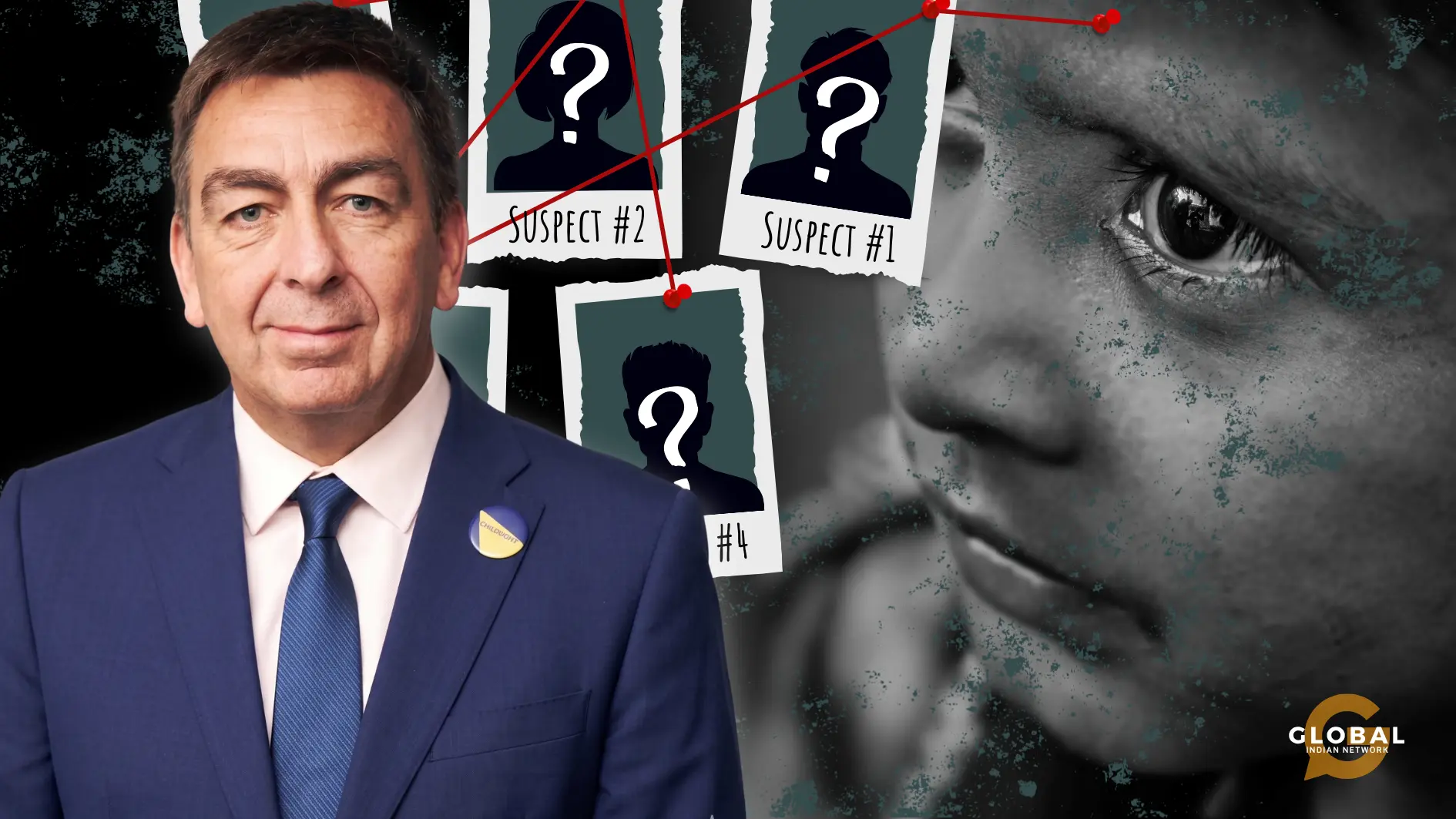

Written By: Paul Stanfield
The most disturbing thing about the BBC Eye investigation into child sexual abuse material on Instagram in India is not simply that such material was found on one of the world’s largest social media platforms. It is that the machinery of a legitimate commercial platform appears to have been used to advertise it.
The investigation, The Careless Machine, reported finding around 30 paid advertisements on Instagram promoting child sexual abuse material, using terms such as “rape video” and “child video” and directing users towards Telegram channels where material was reportedly being sold for as little as 99 rupees. According to the BBC, the advertisements had passed Meta’s own moderation systems before appearing on the platform.
India’s authorities have rightly responded. But this incident raises a much bigger question: how did systems designed to create social networks, generate engagement and facilitate legitimate commercial activity become capable of being exploited to help advertise and direct child sexual abuse to customers?
After more than three decades in law enforcement, including senior roles at the National Crime Agency and INTERPOL, I have learned that tackling serious crime successfully is not simply about finding the offender. It is about understanding and disrupting the systems that allow crime to flourish. That is particularly important when it comes to the sexual exploitation and abuse of children.
More Than a Policing Issue
At Childlight, we believe child sexual exploitation and abuse should be recognised as a global public health emergency. That does not diminish the vital role of law enforcement. Police must identify offenders, protect children, dismantle criminal networks and bring perpetrators to justice. But policing alone cannot solve a problem of this scale.
Our latest Into the Light report estimates that 26.6% of people surveyed had experienced online sexual solicitation during childhood, whilst 6.7% reported experiencing it in the previous year. This covers a range of unwanted or pressured sexual interactions that can lead to the exchange of sexual texts/pictures/videos or exposure of intimate body parts. Nearly 1 in 10 reported experiencing online sexual extortion during childhood. Behind every statistic is a child.
A public health approach asks not only who committed the crime, but why the conditions existed that allowed it to happen, and how we change those conditions to prevent harm.
Featured Conversation
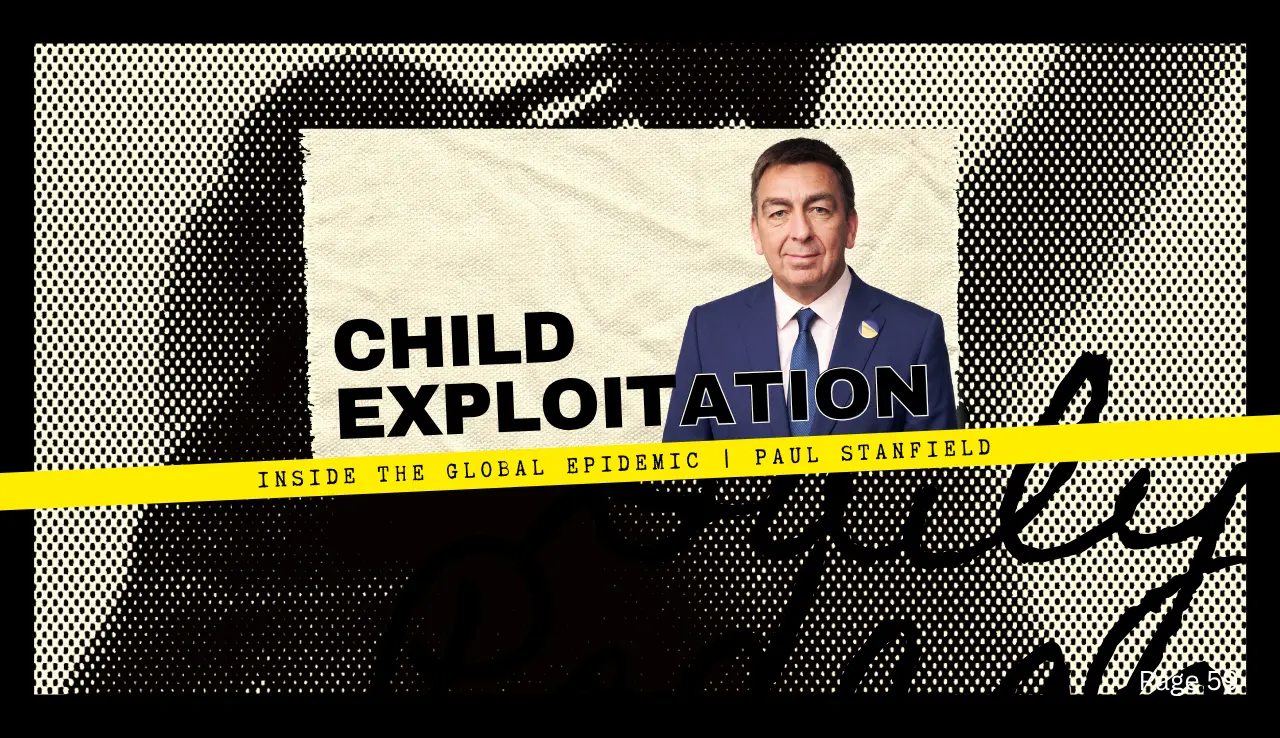
Inside the Global Epidemic of Child Exploitation
with Paul Stanfield
What makes this discussion especially compelling is that it never loses sight of the human dimension. Behind every statistic is a child, a family, and a community affected by trauma that can last a lifetime.
Follow the Money – and the Systems
The BBC investigation is particularly troubling because offenders were reportedly not simply distributing child abuse material. They were buying advertising to promote it. That tells us something important about the economics of exploitation.
Criminals exploit legitimate systems because they are effective and scalable. Advertising can create considerable reach. Social media can create access. Messaging platforms can provide closed communities. Payment systems can facilitate transactions.
None of these systems was created to enable child abuse. But if they are exploited for that purpose, safety has to be designed into them.
Technology companies therefore have a responsibility that goes beyond removing harmful content once it is discovered. They need to understand how their systems can be exploited, prevent abuse from being promoted or amplified, disrupt the movement of offenders between platforms and learn from every failure.
Financial institutions and payment providers also have a role. The same capabilities developed to identify fraud and money laundering can help identify suspicious patterns associated with the commercial exploitation of children.
And governments and regulators must ensure that companies are accountable for the systems they build and operate.
The objective should not be to wait for the next investigation to reveal another failure. It should be to make those failures harder to happen in the first place.
India Can Help Lead
I have seen India’s capabilities and commitment first hand through Childlight’s engagement with government and law enforcement partners. India has the scale, technological expertise and policing capability to make a significant contribution to the global response to technology-facilitated child sexual exploitation and abuse.
The challenge is evolving rapidly, including through artificial intelligence, which is creating new ways to generate and distribute child abuse material. India is already confronting these issues and has an opportunity not simply to respond domestically, but to help shape international solutions.
This is why initiatives such as the forthcoming c0c0n 2026 Cyber Conference and dedicated CSEA track that we are co-hosting in Kochi with the India Police and government are so important. Bringing together government, law enforcement, technology companies, civil society and researchers creates the kind of collaboration that this problem demands.
No country has solved this problem. But countries can share good practice, develop common standards and learn from one another.

A Security Issue As Well As a Health Issue
There is another dimension that we should not overlook.
Child sexual exploitation and abuse is not only a public health and criminal justice issue. It is also a national security and economic security issue.
The networks that exploit children operate across borders, move money internationally, use sophisticated technology and exploit weaknesses in legitimate systems. Where organised criminal networks are involved, the same infrastructure, corruption and illicit financial flows that enable other forms of serious and organised crime can also support the exploitation of children.
Recognise. Count. Prevent.
At Childlight, we believe lasting change depends on three things: recognise it, count it and prevent it.
Recognise it as the global public health emergency it is, and an issue of justice, security, development and economic resilience.
Count it by building the evidence and insight needed to understand where children face the greatest risk. We cannot prevent what we cannot properly see.
Prevent it by changing the environments and systems that allow exploitation to flourish. This includes safer technology, better financial intelligence, effective law enforcement and support for children and survivors.
The BBC investigation should therefore be seen as more than a story about a failure of content moderation. It is a warning about what happens when the systems surrounding children are not designed with their safety at their core.
The question is no longer whether technology can be used to exploit children. We know it can. The question is whether we are prepared to redesign the systems around children so that exploitation becomes harder to commit, harder to profit from and easier to detect.
Children deserve nothing less, and children cannot wait.
Featured Conversation
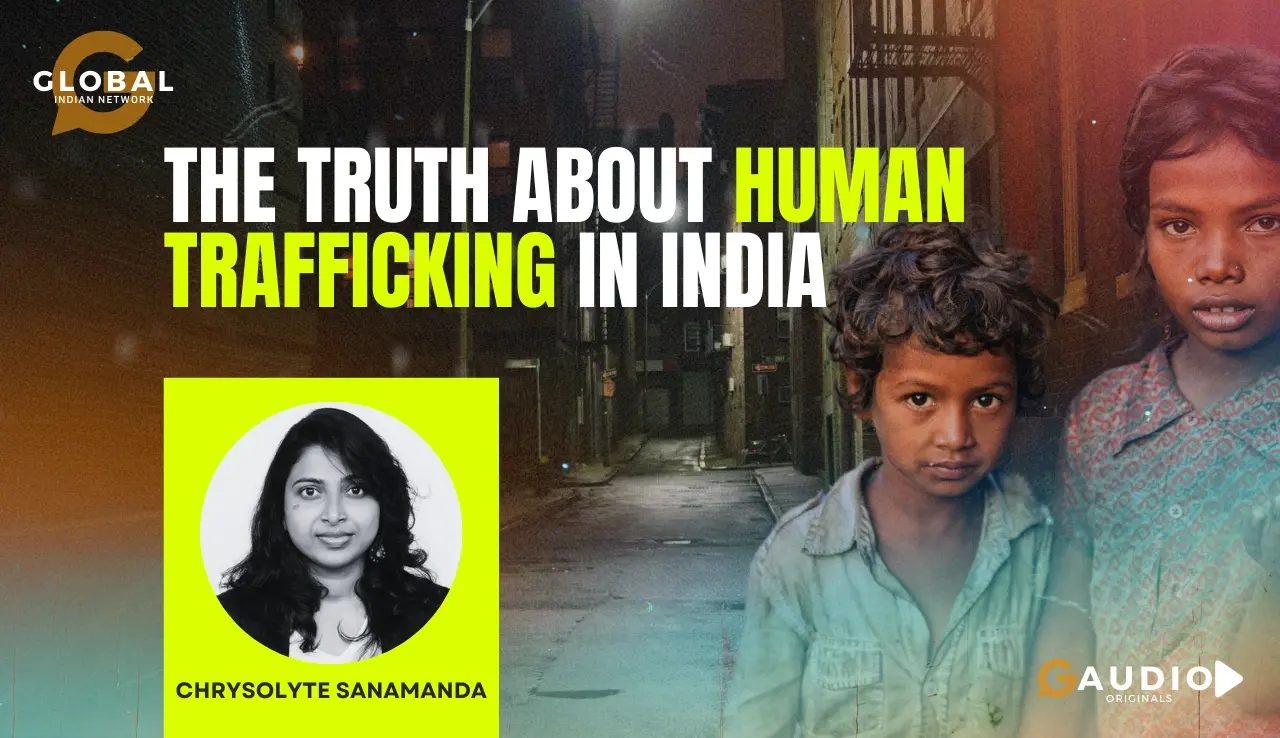
The Truth About Human Trafficking in India
with Chrysolyte Sanamanda
Chrysolyte shares her insights on the multifaceted world of human trafficking. From the heart-wrenching stories of bonded labor to the horrors of sexual exploitation and the sinister trade of human organs, the cruelty seems endless.
Paul Stanfield is CEO of Childlight – Global Child Safety Institute. He previously served as Regional Director for the UK’s National Crime Agency in Africa and as Director of the INTERPOL Global Organised Crime programme. You can listen to his recent podcast for Global Indian Network here.