



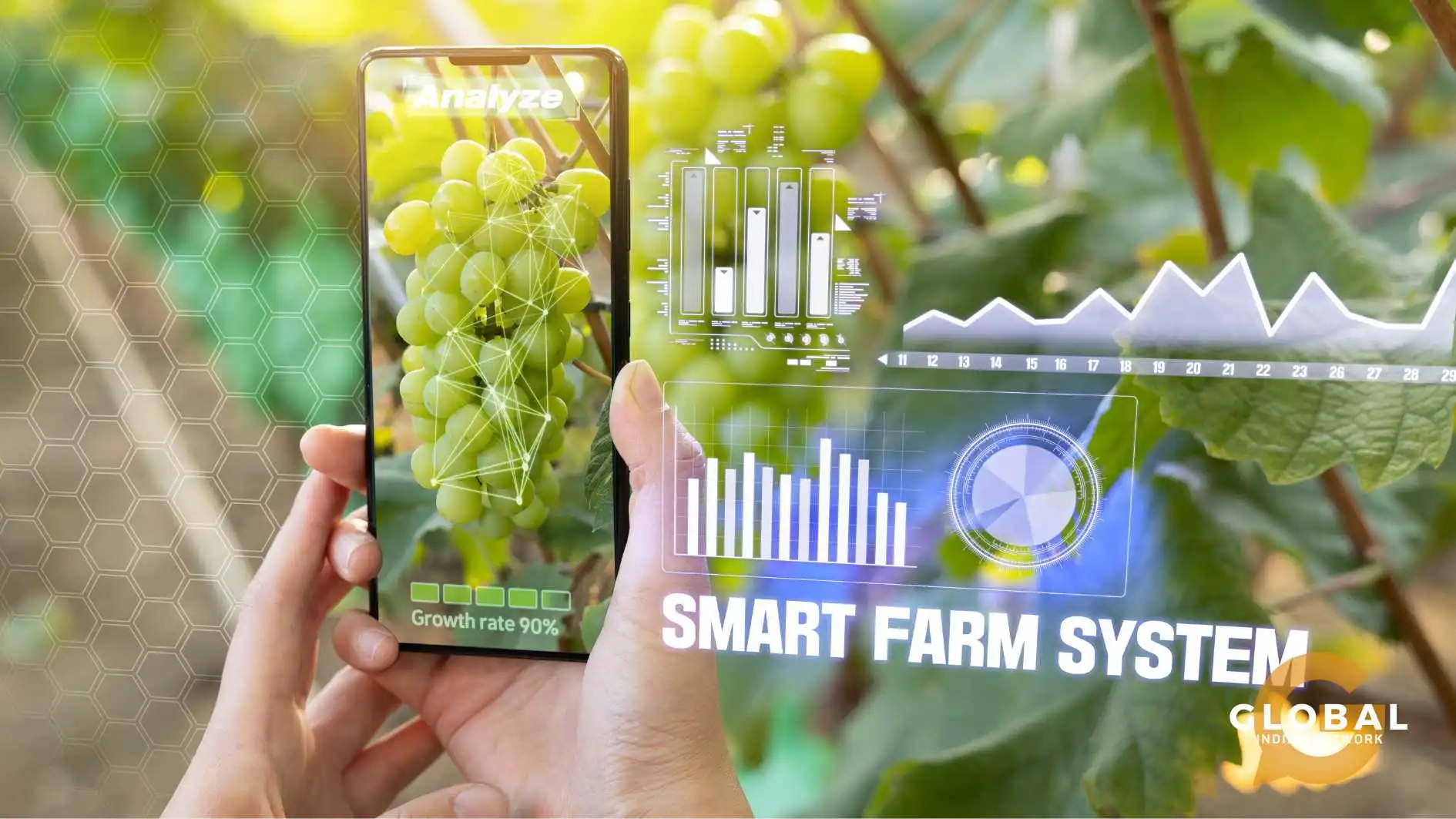

Smart farming in rural India 2026 is quietly reshaping village life, fusing high-tech tools with the timeless rhythm of the land. Consider the case of Ramu, a farmer of the fringe of Pimpri in Maharashtra, as he wakes up in the morning and checks his phone: his fields are flourishing with the help of apps that talk to him like whispers of sand and heaven. To the global Indian community around the world, whether in Silicon Valley, coders, or PIOs in the United Kingdom, this will be a firm launchpad, a consistent food table, and a feeling of national pride to have a homeland that produces innovative stuff.
Table of Contents
Rise of Smart Farming
Smart farming in rural India 2026 starts with IoT sensors buried in the earth, beaming data to farmers’ smartphones. Ramu remembers his father’s guesswork with the monsoons; now he is able to predict rain with 90 percent accuracy, and that spares his paddy the disaster of drought.
Drones fly around like sentinel birds, which detect pests before they proliferate. Smallholders (85 percent of the farmers in India) in the Uttar Pradesh villages have increased their yields by 35 percent by adopting these tools. This is a welcome initiative and global Indians make sure that basmati rice fills their Diwali dinner tables outside India without rationing.
Imagine that Lakshmi in Tamil Nadu was swiping an app on her wrinkled fingers to get fertilizer tips. Not only technology, but dignity regained, and families like hers have a bigger dream.
Tech and Government Push
Drones in smart farming in rural India 2026 spray pesticides with pinpoint precision, slashing chemical use by half and keeping rivers cleaner. AI apps process weather and market information, instructing farmers to plant or sell.
The Digital Agriculture Mission by the government invests 180 million in subsidies, covering 5 lakh villages with kisan drones. JioKrishi makes smartphones smarter with low-end kits to bridge the urban-rural divide.
Rajesh is an NRI engineer and a Dubai resident who financed the purchase of the first drone in his village last year. It is as though he sends love home, he says. This generates employment and integrates tech-savvy young people into family traditions within the global Indian community.
Smart farming in rural India 2026 empowers women through apps in regional languages to train them, turning skeptics into leaders. One Punjab cooperative doubled incomes, and the laughter at evening chai meetings on yield charts was heard.

Village Success Stories
In Maharashtra, smart farming in rural India 2026 transformed a dusty cotton field into gold. The village sarpanch describes his experience with AI notifying them of a bollworm infestation, which increased their harvest by 40% more.
The mango groves of Tamil Nadu had three times the productivity in sensor-based irrigation. Farmers now take kids to colleges, not to fields. These stories reverberate all over the world to global Indians.
Smart farming in rural India 2026 isn’t cold machines; it’s stories of resilience. The Bihar widow, who once lost against the floods, now applies satellite imagery in planting flood-resistant rice and is smiling because she has hope.
Challenges and Global Impact of Smart Farming in Rural India 2026
Yet, smart farming in rural India 2026 faces hurdles, high costs daunt tiny 2-hectare plots, and Bihar’s digital deserts lag. Internet blackspots hit one of three villages, but 5G towers grow like promises.
High rentals per season and YouTube tutorials on regional languages assist. Iotas such as the Reliance IoT drive are solutions that are scaled quickly due to the use of public-private partnerships.
To the global Indians, it reduces the burden of remittances, as increased income levels reduce calls to SOS. Gulf-based PIOs stock Indian stores with pulses and spices produced in tech-enhanced farms to power community festivals.
The possible yield might also increase 25 percent, which is an addition of an extra 6 billion GDP through 1,000-plus agritech startups. This economic heartbeat is of the 32-million diaspora, which transforms the villages into investment centres and cultural hubs.
Smart farming in rural India 2026 fosters pride. Imagine Zoom calls where city cousins marvel at rural tech wizards, blending worlds seamlessly.
Sustainability and Future
Smart farming in rural India 2026 optimizes fertilizers, curbing emissions and healing Rajasthan’s thirsty soils. Regenerative practices are directed by AI, and water savings feed 600 million rural souls.
Half of the farms are likely to adopt robotics and blockchain to have transparent supply chains in the coming years. It is a green revolution 2.0 in which custom collides with the future.
This is the rallying cry of the global Indian community, who are so climate-enthusiastic to fund apps, mentor over WhatsApp groups. For families in diaspora, it preserves the heritage crops so that the mango pickle will just taste like home.
Such farmers as Ramu dreamed of independent villages, festivals of homemade feasts. Smart farming in rural India 2026 isn’t just progress; it’s a love letter to the land.
Conclusion
Smart farming in rural India 2026 weaves tech into village heartbeats, promising sustainability and prosperity. It lifts the community by fortifying food chains, easing financial ties, and celebrating shared roots.
From Mumbai’s high-rises to Melbourne’s suburbs, global Indian voices unite: support this transformation, for thriving villages mean thriving us all.
FAQs
What is smart farming in rural India 2026?
Smart farming in rural India, 2026, connects Wi-Fi-enabled IoT sensors, drones, AI apps, and data analytics to enable real-time crop monitoring, efficient use of resources, and higher yields for small-holding farmers. It converts traditional approaches into a precision agriculture system and helps villages, such as the ones surrounding Pimpri, develop sustainably.
How does smart farming in rural India 2026 benefit small farmers?
It cuts water use by 30-40% through smart irrigation and detects pests early, raising incomes up to 40%, as seen in Maharashtra cooperatives. For global Indians, this ensures that staples like rice and spices will reach diaspora tables at affordable, reliable prices.
What technologies drive smart farming in rural India in 2026?
The key tools are soil sensors offering real-time soil moisture detection capabilities, drones for spraying purposes, and artificial intelligence platforms such as JioKrishi for determining weather conditions. The government offers a subsidy of $180 million for these tools, thus combining technology and villagers’ lifestyles.