



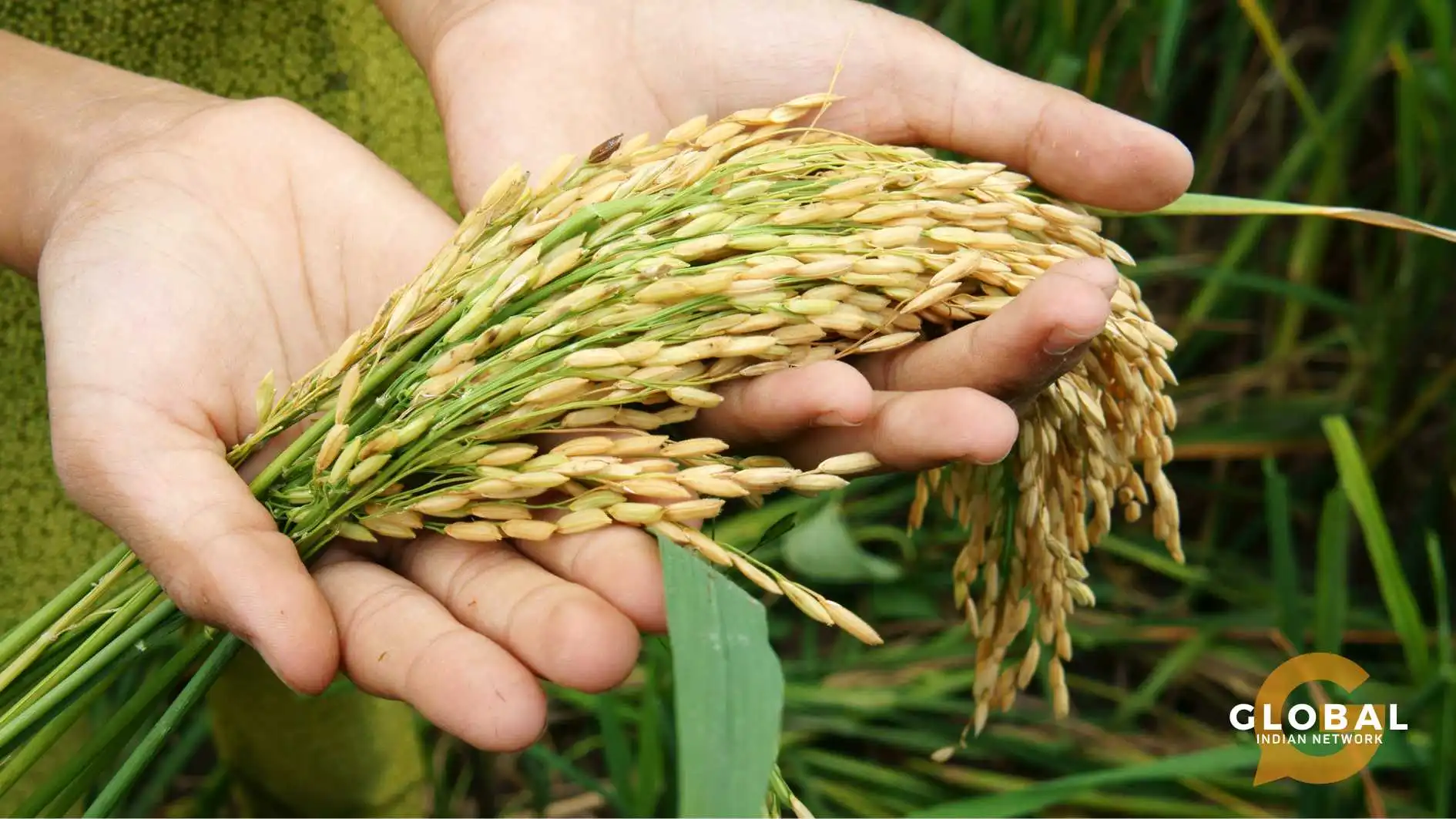

Bioengineering for food security is the new game-changer in the world of agriculture. The effects of increased climatic variations, such as droughts, floods, and inevitably a growing population, pose a great conundrum in the face of conventional methods of succouring this hunger through agriculture. And what does this mean for people, from the farmers in the state of Punjab to the growing population in the US and the UK?
India, which is home to more than 1.4 billion people, is facing great strain when it comes to food security. Erratic rainy seasons, coupled with the rise in temperature levels, have the potential to destroy India’s food crops like rice and wheat. Bio-engineering for food security has the promise of helping to create food crops that have good nutrition quotient, sufficient to feed the nation and even export to other nations.
Table of Contents
The Promise of Bioengineering for Food Security
Bioengineering for food security involves tweaking plant DNA to boost yields and resilience. Researchers take advantage of such technologies as CRISPR gene editing and turn crops resistant to drought or pests. It is not science fiction, but it is already changing farms all over the world.
For instance, in drought-prone areas of Maharashtra, genetically modified millets would help to avoid famine that displaces rural families. The global Indian communities that depend on imported Indian grains would enjoy stable supplies.
Consider Golden Rice, fortified with vitamin A. Bioengineering for food security here combats malnutrition affecting 35% of Indian children, as per UNICEF data. Direct value in such innovations is seen in the case of Indians in the Gulf or Australia who sent staples and spices home.
Battling Climate Change with Engineered Crops
The farmlands are devastated by climate change, and the yield of wheat in India decreases by 5-10 per cent during heat waves. Bioengineering for food security counters this through heat-tolerant varieties. An example is the flood-resistant rice at IRRI, which can live in floods and stay alive for weeks, which is essential in the floodplains of Bengal.
This urgency is experienced by rural and urban citizens, alike. Bioengineering for food security ensures affordable dal and roti reach tables from Mumbai to Melbourne, stabilizing remittances tied to rural economies.
Genetically modified crops such as Bt cotton have been able to increase the production of India by 50 percent, according to studies conducted by ICAR. Extending bioengineering for food security to staples could add 20-30% more grain, feeding the population’s cultural cravings without price spikes.
Featured Conversation
The Silent Soil Crisis We Can’t See
with Rattan Lal
World-renowned soil scientist Rattan Lal challenges one of our most dangerous assumptions: that soil is inert, expendable, and ours to exploit. A reframing of food, climate, and what we owe the ground beneath our feet.
Addressing Population Growth Through Innovation
The world population is approaching 8 billion, with India also at 1.4 billion and rising. By 2050, the amount of food demanded will be twice the current amount, exceeding the resources. Bioengineering for food security scales production on less land, using fewer pesticides.
This is an empowerment of the global Indian community in the world. The farmer Indian diaspora in Fiji or Guyana, which is a part of the 60-million-strong, uses the crops in an attempt to fight the local shortage. Bioengineering bridges generational gaps, letting second-gen Indians abroad support ancestral lands.
Get maize from CIMMYT that is resistant to droughts. It produces 20 percent more in the state of Rajasthan during water shortage. Global Indians investing in agritech startups see bio-engineering as a profitable venture.
Nutritional Boost for Wellbeing
Food security, in addition to yield, through bioengineering, improves nutrition. Genetically sweet potatoes with high levels of iron help combat anaemia, which is rampant in 57 per cent of Indian women (NFHS-5 survey). This is important to Indian nurses in the UK or techies in Dubai, putting family health in the first place.
The biofortified crops lower the healthcare expenses of consumers. In the US, where the prices of Indian groceries increased by 15 percent after the pandemic, the persistence of nutritious imports through bioengineering stabilizes the food security market. It is in line with Ayurveda-based diets that have been loved over generations.
In Tamil Nadu, clinical trials have demonstrated an increase in bone health with vitamin D-enriched rice. To the ageing population, bioengineering, as far as food security is concerned, implies healthier lives without costly supplements.
Challenges and Ethical Considerations
There are no stumbling blocks to bioengineering for food security. The idea of seed patents concerns the small Indian farmers, as it means corporate domination. However, there are Indian biotech companies such as Bharat Biotech that are promoting local, cheap solutions.
The issue of GMOs is discussed on social media by global Indians who balance between tradition and requirement. Kerala protests point to the threat posed by biodiversity, but the risks are less than the benefits of bioengineering as a source of food security. Such regulations as GEAC in India make sure that the trust of the diaspora is safe.
Any regulatory slackening slows adoption, but success, such as GM mustard approval, is a sign. Bioengineering for food security requires a watchful effort on the part of the policy makers in the case of Indians.
Economic Impacts
The Indian agritech industry is a $10 billion sector, which is driven by bioengineering for food security. Start-up firms such as Syngenta, based in Bengaluru, provide IIT graduates with opportunities all over the world. Investments in such ventures by NRIs create economic relationships.
The sale of engineered seeds to Africa is a gain for the Indian traders in the diaspora centers in Kenya. India improves its position in the world food security bio-engineering, not only in G20 tables, but at dinner tables, in families. It transforms food shortage into abundance, as it increases GDP and remittances.
Conclusion
Bioengineering for food security can indeed outpace climate change and population growth, offering resilient, nutritious crops for a hungry world. To the global Indian community, it secures livelihoods, health, and cultural staples amidst growing challenges.
This is an innovation that matters to us: from farmers in the desert to diaspora professionals, this makes sure plates stay full and futures secure. Embracing bio-engineering for food security isn’t just smart; it’s essential in the furtherance of brown excellence worldwide.

FAQs
What is bioengineering for food security?
Food security can be attained through bioengineering. This technology manipulates the crops genetically. This approach can help feed the hungry populations in regions vulnerable to hunger. Such regions are rural India. Bioengineering provides safe and adequate supplies of staples that are demanded by the rising diaspora.
How does bioengineering for food security combat climate change?
Engineered crops show resilience to drought, flood, and heat; therefore, they protect yields against monsoon and heatwaves. In India, for instance, certain rice varieties have helped farmers in the Punjab region specifically. These reduced losses in agriculture translate to NRI remittances and thus ultimately keep the prices of food items inexpensive for brown communities globally.
Can bioengineering for food security solve population growth challenges?
Say, yes, by increasing production on scarce land, possibly 20-30 per cent more grain. It averts the scarcity of dal and rice for the 1.4 billion and 32 million Indians who are in foreign lands. In the UK or the USA, global Indian families obtain cheaper costs of imports and continuity of the culture.