



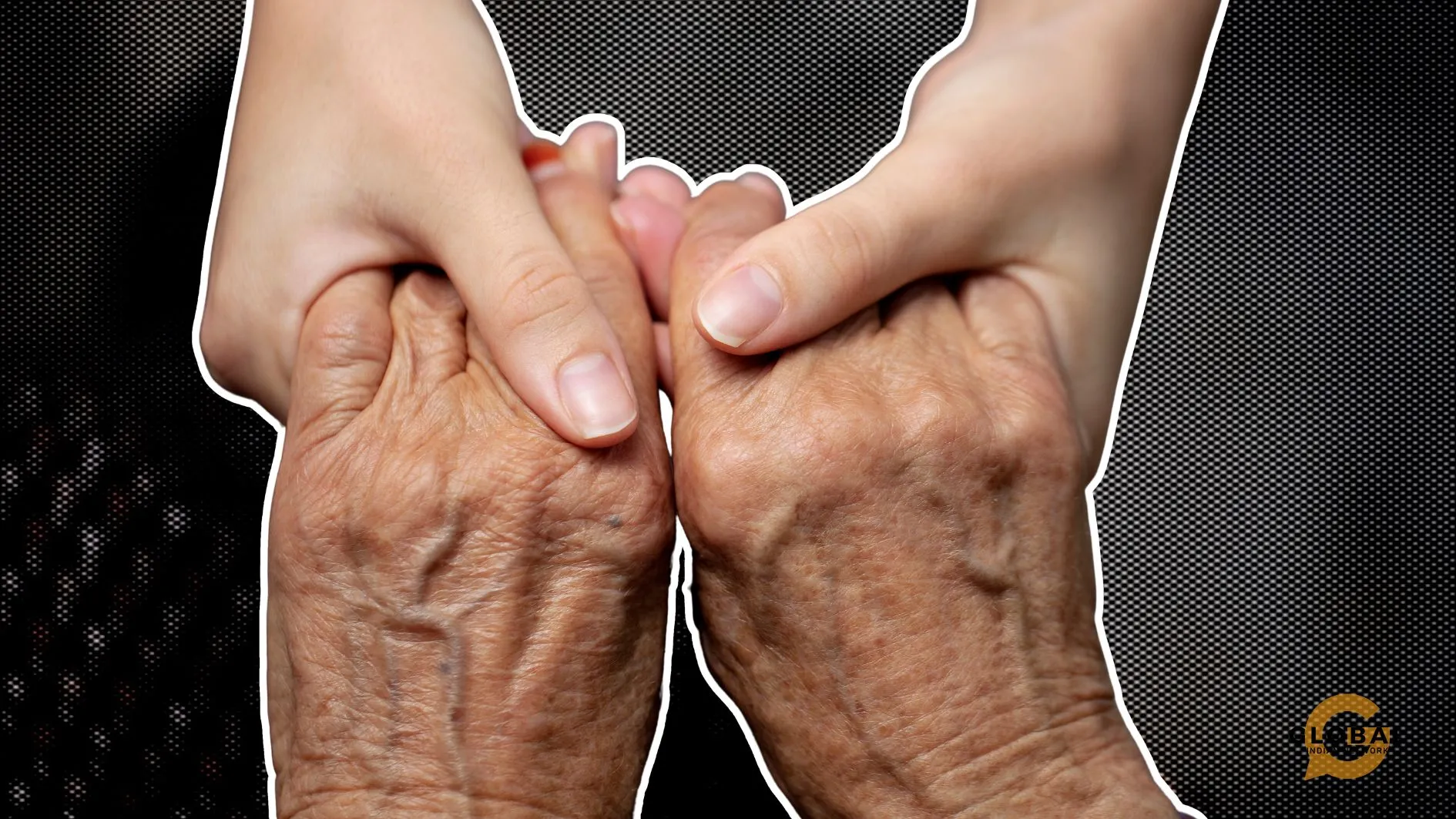

For many older British Asians, family has always been at the centre of life. Children are raised with the expectation of staying connected, caring for ageing parents and preserving traditions across generations. Yet, behind these values, some older adults face a quieter reality: long days without meaningful conversation, declining independence and a growing sense of disconnection from the people around them.
Loneliness among elderly British Asians is a complex social issue shaped by ageing, migration, changing family structures and cultural expectations. Living near children does not necessarily mean feeling emotionally supported, just as living alone does not automatically mean being lonely. The distinction matters because social isolation and loneliness can affect mental health, physical well-being and quality of life.
As Britain’s population ages and families adapt to modern working patterns, understanding this hidden crisis requires looking beyond household size to the relationships that give older people a sense of belonging.
Table of Contents
Why Family Values Do Not Always Prevent Loneliness
In many Indian, Pakistani, Bangladeshi and Sri Lankan British households, caring for older relatives is regarded as a family responsibility. Multigenerational living, religious gatherings and regular family visits can provide valuable social support. However, cultural expectations can sometimes conceal unmet emotional needs.
Adult children may work long hours, raise their own children or live in different cities. Grandparents who once played a central role in family life may find themselves spending much of the day alone, even when their relatives remain deeply committed to them.
For some older adults, admitting loneliness feels like criticising their children or suggesting that their family has failed. Others may avoid asking for help because they do not want to become a burden. Consequently, loneliness among elderly British Asians may remain unspoken within families that genuinely care about their elders.
This is not evidence that Asian family values are failing. Rather, it highlights the difference between an intention to provide care and the practical ability to offer consistent companionship.
Loneliness Among Elderly British Asians: What the Latest UK Evidence Reveals
The scale of loneliness in Britain demonstrates why this issue deserves attention, although statistics specifically covering elderly British Asians remain limited.
According to the UK Government’s Community Life Survey for 2024/25, approximately 7% of adults in England reported feeling lonely often or always. The survey also identified differences across ethnic groups, with Bangladeshi adults reporting higher levels of frequent loneliness than the national average.
These findings require careful interpretation. They cover adults across age groups and do not establish a precise prevalence rate for older British Asians. Nevertheless, they indicate that ethnicity, social circumstances and access to supportive networks can influence experiences of loneliness.
The NHS England Digital’s Health Survey for England 2024 also found that 22% of adults felt lonely at least some of the time. Poor health was strongly associated with loneliness: 49% of adults reporting bad or very bad health experienced loneliness at least some of the time, compared with 17% of those in good or very good health.
For ageing communities, this relationship is particularly significant. Chronic diseases, reduced mobility and difficulties with Activities of Daily Living can make it harder to attend social events, visit friends or participate in religious and community activities.
The evidence does not suggest that every older Asian person faces elevated loneliness. Instead, it points towards the need for more detailed research that considers ethnicity, age, disability, income and family circumstances together.

The Cultural and Practical Barriers That Keep Older People Isolated
Migration, language and changing identities
For older adults who migrated to Britain decades ago, retirement can bring an unexpected loss of connection. Workplaces, neighbourhoods and friendships that once provided daily interaction may disappear. Some people remain closely connected to their country of origin but feel less familiar with the Britain their children and grandchildren inhabit.
Language barriers can make this transition harder. Older adults who are more comfortable speaking Punjabi, Gujarati, Urdu, Bengali or Tamil may struggle to access English-language services or build relationships outside familiar community settings.
A 2024 scoping review in Ageing & Society identified linguistic isolation, marginalisation, migration experiences and weakened social networks as factors that can contribute to loneliness among ethnic minority and immigrant older adults.
Gender, bereavement and declining independence
Gender differences also deserve attention. Older women who have spent much of their lives managing households and caring for relatives may experience a significant change in identity when their children leave home or a spouse dies. Older men who relied on work for social interaction may similarly struggle to establish new friendships after retirement.
Bereavement, chronic conditions, and limited public transport access can further narrow social networks. When attending a temple, mosque, gurdwara, community centre, or family gathering becomes physically difficult, an important source of social well-being may gradually disappear.
Food insecurity and financial pressure can add another layer of difficulty, particularly for older adults living on limited pensions. The resulting isolation may be both practical and emotional.
How Loneliness Affects Mental and Physical Health
Loneliness among elderly British Asians should be understood as a public health concern, not simply an unfortunate part of ageing.
The World Health Organisation identifies loneliness and social isolation as significant threats to physical health, mental health and longevity. Its work under the UN Decade of Healthy Ageing (2021–2030) highlights the importance of meaningful social connections for older people.
Persistent loneliness is associated with depressive symptoms, anxiety and poorer quality of life. Research has also linked social disconnection with cognitive decline and increased risks of cardiovascular disease and other chronic conditions. These associations do not mean loneliness directly causes every condition, but they underline the need to identify people who may be struggling.
Loneliness may also affect medication adherence. An older person who lacks regular support might find it harder to organise prescriptions, attend appointments or maintain healthy routines. Where loneliness coexists with cognitive impairment or reduced independence, everyday challenges can become more difficult to manage.
Families should watch for persistent withdrawal, mood changes, reduced interest in familiar activities, and repeated expressions of feeling unwanted. These signs do not establish a diagnosis, but they can indicate the need for a conversation or professional assessment.

Building Culturally Appropriate Support in Modern Britain
Reducing loneliness among elderly British Asians requires more than encouraging occasional family visits. Support must recognise individual preferences, cultural identities, financial circumstances and practical barriers.
Several approaches can make a meaningful difference:
- Community-led social programmes: Temples, mosques, gurdwaras, cultural associations and local charities can organise regular gatherings, shared meals, language-specific activities and intergenerational events.
- Befriending and telephone support: Scheduled conversations and home visits can provide consistent companionship for people who cannot easily leave their homes.
- Social prescribing: NHS link workers can connect older adults with local activities, voluntary organisations and services that address social and emotional needs.
- Accessible transport and digital assistance: Help with travel, smartphones and video calls can make it easier to maintain relationships, provided digital options complement rather than replace face-to-face contact.
- Culturally responsive healthcare: GPs, social workers and care providers should consider language needs, trusted community partnerships and barriers to mental health support.
Organisations such as Age UK offer practical advice and companionship services.
Health policymakers and local authorities should also improve the evidence base. Longitudinal research, including the English Longitudinal Study of Ageing and the UK Household Longitudinal Study, can help researchers examine how health, relationships and circumstances change over time. More targeted studies are needed to understand the experiences of older British Asians across different ethnic, religious and socioeconomic groups.
Why This Matters to the Global Indian Community
For Indians living in Britain and families with relatives abroad, loneliness among elderly British Asians is a reminder that caring for older generations involves more than financial support or fulfilling practical responsibilities.
Adult children balancing demanding careers, childcare and transnational family obligations may not always recognise how isolated an older relative has become. Regular conversations about friendships, independence, emotional well-being and daily routines can reveal needs that are otherwise overlooked.
Families should not assume that an older relative is content simply because they live with relatives, attend religious services or rarely complain. Equally, older people should be encouraged to express their preferences without feeling guilty about asking for companionship.
The wider challenge is to make community participation and emotional support accessible, rather than leaving families to manage ageing alone.

Making Connection Part of Healthy Ageing
Ultimately, loneliness among elderly British Asians cannot be addressed through cultural expectations alone. Strong family relationships remain valuable, but they work best alongside accessible public services, welcoming community organisations and opportunities to develop meaningful friendships.
As Britain’s population ages, the response must move beyond counting household members or recording how frequently relatives visit. What matters is whether older people feel heard, valued and connected.
A society that respects its elders must do more than ensure they are cared for. It must also make sure they still have people to talk to, places to belong, and reasons to look forward to tomorrow.