




Leadership is described as a place of influence, authority, and success. But every big business decision comes with a lot of responsibility, uncertainty, and loneliness. For many leaders, success means visibility, but it can also mean fewer opportunities for an honest, judgment-free conversation.
This is how peer communities are becoming increasingly useful. In addition to industry associations and professional networks, many leaders are finding the value of meeting with peers who know what it’s like to be an executive in their sector or speciality, no matter what it is.
Table of Contents
The Leadership Isolation
Decision-makers in an organisation often have to deal with issues at the top that they cannot discuss openly with employees, investors, or even close advisors. Many Indian CEOs are burdened with making high-stakes decisions while also conveying confidence and stability.
The bigger the job, the less room for open conversation. Indian CEOs can share their concerns, explore new concepts, and gain perspective without organisational restrictions within a trusted peer community.
Beyond Industry Boundaries
Traditional networking is sometimes associated with other industry events or associations. These platforms offer useful market information but tend to exclude variant thinking.
Talking to leaders across various industries has led to some interesting ideas for solving common problems that many Indian CEOs face. As with every leadership challenge, whether it is attracting talent, digital transformation, organisational culture, or risk management, the issues often cross industry lines.
Cross-sector peer groups encourage:
- Broader strategic thinking
- A sensitivity to alternative solutions
- Reduced competitive tension
- Greater intellectual diversity
- Better ability to adjust to change.
These benefits enable Indian CEOs to broaden their horizons beyond their own markets.
Learning Through Shared Challenges
All executives face times of indecision. Economic instability, technological change, new regulations, and employee demands are changing rapidly.
A peer community can develop an online learning platform for Indian CEOs to gain insights from other CEOs’ experiences. Leaders do not just seek advice from consultants or their in-house teams, but also from real-world results.
Consider the value of discussing:
| Leadership Challenge | Peer Community Benefit |
| Organizational change | Lessons from similar transitions |
| Talent shortages | Proven workforce strategies |
| Business expansion | Shared market-entry experiences |
| Innovation management | Tested frameworks and ideas |
| Crisis response | Perspective from past situations |
Such transactions enable Indian CEOs to make better decisions and avoid common mistakes.
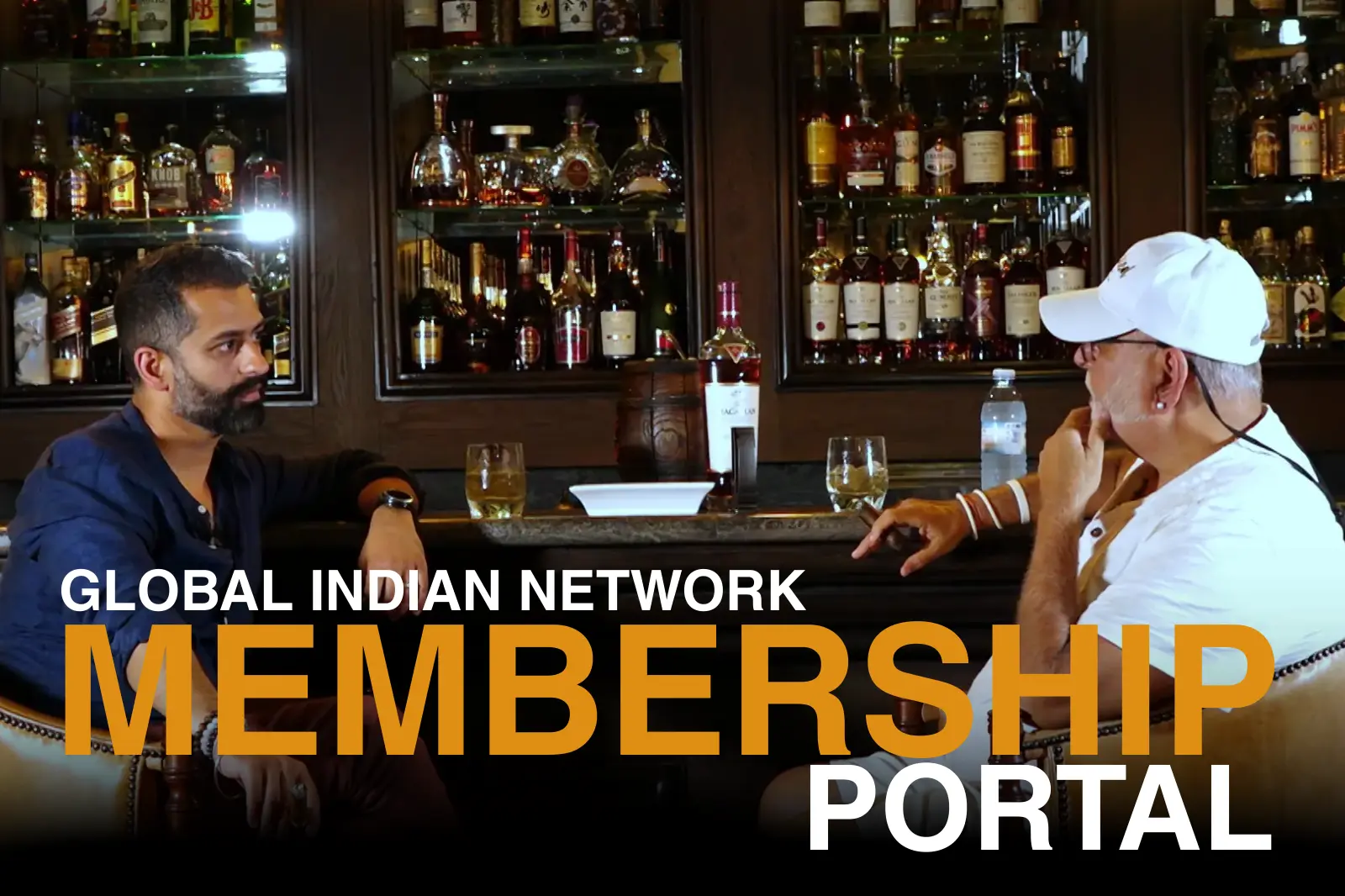
Membership
A Private Circle for Global Indians
Join a trusted community of founders, investors, policymakers, and cultural leaders shaping the global Indian story across 46+ countries.
Building Leadership Resilience
The role of the Executive is not just strategic, but emotional too. Leaders should be calm in times of crisis, inspirational in times of failure, and persistent in times of difficulty.
Resilience can be a key competitive edge for many Indian CEOs. Resilience does not occur in a vacuum, however. Peer communities are sources of support where leaders can exchange experiences and perspectives and build their capacity to handle pressure.
These environments foster:
- Greater self-awareness
- Improved decision confidence
- Enhanced emotional intelligence
- Better stress management
- Long-term leadership sustainability
Indian CEOs can thrive in communities that enable them to be both effective and resilient as organisations grow in complexity.
Indian CEOs in a Global Context
Indian business leadership continues to grow in influence in global markets. Indian leaders have contributed significantly to innovation, technology, finance, and global business management.
This larger picture provides opportunity and accountability to Indian CEOs. Trends need to be understood beyond the local market to compete on a global stage. Peer communities can help foster a group of leaders with international experience who can share insights into emerging risks and opportunities.
In today’s globalised era, many Indian CEOs are working within a networked ecosystem of supply chains, talent pools, investments, and technology spanning countries. Cross-cultural interaction enhances strategic consciousness and world readiness.
This development of Indian talent into multinational companies reinforces the importance of multi-sectoral, cross-border leadership networks.
Future-Focused Leadership
Many of the assumptions held by business leaders will be tested over the next 10 years. The role of the executive is changing due to artificial intelligence, sustainability concerns, workforce shifts, cybersecurity risks, and geopolitical uncertainty.
In this context, Indian CEOs are unable to build on the experience gained in the past. They will increasingly rely on continuous learning and collective intelligence.
Peer communities assist leaders to stay flexible by offering:
- Early insights into new trends
- A variety of opinions about future dangers
- Collective experience in getting to work.
- A chance to think strategically about the situation.
- Stronger decision-making frameworks
Enlightened Indian CEOs are increasingly aware that leadership development is a team endeavour. It is reinforced by important interactions with colleagues who know the challenges of office politics.
Such communities are more valuable than networking. They provide safe environments to question ideas, explore assumptions, and expand perceptions. But in today’s global and often volatile business climate, it may be essential for executives to learn from leaders outside their own industry.
A peer community outside the industry is not just a resource for Indian CEOs. It is a strategic asset that enhances resilience, innovation, and decision-making, and supports long-term capacity to perform well in a changing world.
Conclusion
Leadership is becoming increasingly challenging, and the demands on executives are increasingly rising with each technological, market, and societal change. Although skills and experience are still very much valued, so is learning from other trusted colleagues. For Indian CEOs, peer communities provide a place to confront assumptions, to gain new insights, and to feel more confident when managing uncertainty.
In a highly connected and complex business environment, the role of the leader cannot be one-dimensional. Great leaders are receptive to group wisdom and ongoing education. This cross-sectoral collaboration can help Indian CEOs enhance their resilience, make better decisions, and ensure their organisations achieve lasting success.

FAQs
Why are most CEOs Indian?
The prevalence of Indian-origin CEOs in Silicon Valley is attributed to a strong emphasis on STEM education, a highly competitive academic environment, and proficiency in English. This creates a consistent flow of skilled engineers who relocate to the United States and successfully advance into leadership positions within major international technology firms.
Which CEO earns 48 crore per day?
Co-founder and former CEO of QuantumScape, Jagdeep Singh, an entrepreneur of Indian origin, gained significant attention for securing a daily income of roughly $5.03 million USD.
Who is the most powerful CEO in India?
In India, Mukesh Ambani, the Chairman and Managing Director of Reliance Industries, is widely considered the most influential CEO and corporate leader.