



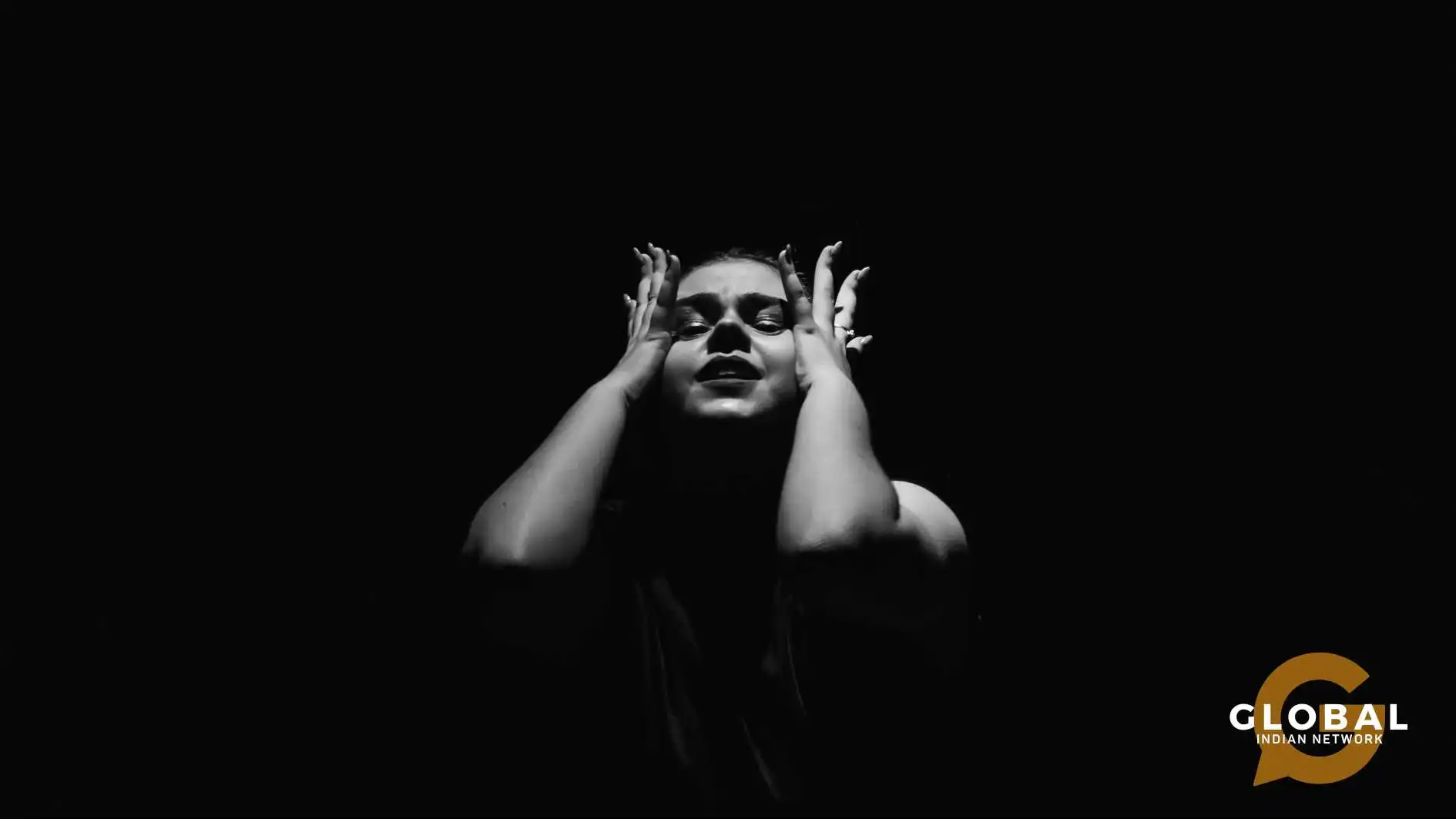

There is a strange thing that happens when you watch an actor who is not trying too hard, and yet the scene fills your chest anyway. It is not the accuracy of an emotion, not even the beauty of it, but the way it lands. The old texts called this landing, rasa. They believed emotions are not private little storms but shared currents, something that moves between bodies, across space. So when we talk about the Rasa method of Indian acting, we are really talking about a way of shaping performance so the audience does not merely recognise an emotion but experiences it, almost bodily, as if it has brushed past them.
What is unsettling is how something written so long ago still feels intact. The Natya Shastra is dated somewhere between 200 BCE and 200 CE, yet the logic does not feel fossilised. Maybe because the human body has not evolved as fast as technology has. Breath still catches in the same places. Eyes still betray feelings before words do. Actors across time seem to search for the same moment, when emotion stops belonging only to them and begins to circulate. That is where rasa begins to work.
Table of Contents
Where Does The Rasa Method of Indian Acting Come From?
Bharata Muni’s curiosity was not philosophical in the abstract sense. He wanted to know why people cried, laughed, or fell silent after watching a performance. The Natya Shastra breaks emotion down into parts, but not to kill it. It was an attempt to understand how feeling could be crafted deliberately. The text speaks of vibhava, anubhava, and fleeting inner states, but at heart it says something simple. Emotion has rhythm. It has timing. And it can be guided. The nine types of Rasa are shringara (love), hasya (laughter), karuna (sorrow), raudra (anger), vira (heroism), bhayanaka (fear), bibhatsa (disgust), adbhuta (wonder), and shanta (peace).
So, the Rasa method of Indian acting does not train actors to chase realism. This is why classical Sanskrit drama does not rush intimacy or tragedy. In Kalidasa’s Abhijnanashakuntalam, love is visibly different from the one we see today. The audience feels the emotion before the characters speak it aloud.
How it Shifts an Actor’s Inner Space
In this system, acting is a preparation. The body is trained to become responsive. The breath is disciplined. The face is taught stillness as much as expression. Classical dancers and actors train for years before performing because the aim is not to perform but to let the feelings pass through.
You see traces of this in modern actors who are known for quiet intensity rather than display. Take Irrfan Khan, for example. In films like The Lunchbox or Piku, his eyes and pauses do the emotional work. Nothing dramatic happens on the surface, yet the scene stays with you.
The Rasa method of Indian acting asks the actor to empty themselves slightly. Ego softens. Control loosens. The character stops feeling like something external that must be manufactured. It becomes a space the actor steps into.
The Rasa Method of Indian Acting and Folk Traditions
If classical theatre systematised rasa, folk performance keeps it alive through instinct. In forms like Yakshagana, Jatra, Tamasha, or Bhavai, emotions travel openly through crowds. The performer senses immediately whether the emotional current has reached the audience.
This immediacy prevents the Rasa method of Indian acting from becoming academic. Folk performers understand timing without theory. They know the dynamics of exaggeration and restraint. Habib Tanvir, an Indian playwright, drew directly from this knowledge. His actors, often non-professionals trained in folk forms, held audiences through emotional clarity rather than polished technique.
How Contemporary Films Reshape the Old Logic
Modern cinema may feel accelerated, but rasa continues to surface. Many directors recognise it instinctively. Satyajit Ray openly studied the Natya Shastra and believed cinema should allow emotions to unfold naturally. In Pather Panchali, long stretches of quiet observation allow sorrow and wonder to coexist. The flute motif, the lingering shots of nature, and the unhurried faces create an emotional tone that is felt more than explained.
More recent films carry this legacy quietly. Masaan allows grief to sit without melodrama. Tumbbad builds horror without jump scares. Even mainstream films use it unconsciously. These choices come from the same emotional logic Bharata described centuries ago.
When an actor listens to the scene rather than performing it, the space thickens. The air between characters gains weight. This is how the Rasa method of Indian acting survives today as an instinct.
Why the Actor and Audience Connection Still Matters
Classical theory believed the audience completes the performance. Without reception, rasa cannot exist. Cinema replaces the live audience with the camera, but the exchange remains. The lens becomes the witness. The actor performs with the awareness that someone will receive the emotion later.
This is why close-ups are so powerful when used with restraint. Films like Court or Ship of Theseus rely on minimal expression. The audience is not instructed how to feel. They arrive there themselves. This participatory emotion is central to rasa.
Conclusion
In the end, we see how the Rasa method of Indian acting moves through global stages and screens. Peter Brook’s Mahabharata proved that audiences from Paris to New York could feel wonder, grief, and calm without the interference of religion and cultural differences. Films like Slumdog Millionaire and Baahubali carried the same emotional structure outward, where love, fear, and heroism landed even for viewers unfamiliar with Indian traditions. Even as storytelling accelerates, the moments that linger are often the ones shaped by this older emotional grammar, reminding us that feeling crosses borders more easily than language ever will.
Acting will keep changing as the world changes. But beneath technique and trend, there remains this steady idea that emotions are shared experiences. The Rasa method of Indian acting endures because it trusts people to feel without instruction. It asks actors to slow down and listen. It asks audiences to receive rather than consume.
And in that shared space, between performer and witness, something still settles quietly. Something real.
FAQs
What is the Rasa method of Indian acting?
The Rasa method of Indian acting is an aesthetic theory and a performance methodology focused on evoking specific, universal emotional “flavors” or “essences” (rasas) in the audience. It is derived from the ancient Sanskrit text, the Natyashastra, attributed to Bharata Muni, and further developed by later scholars like Abhinavagupta.
What are the types of Rasa?
The nine types of Rasa are shringara (love), hasya (laughter), karuna (sorrow), raudra (anger), vira (heroism), bhayanaka (fear), bibhatsa (disgust), adbhuta (wonder), and shanta (peace).
How is it different from Western acting?
Western acting often focuses on psychological motivation and inner realism, while the Rasa method focuses on evoking emotion through form, suggestion, and balance. The emphasis is on what the audience feels, not just what the actor experiences.
Does it still matter today?
Yes. It continues to shape classical arts, modern cinema, theatre, and actor training because its the grammar of drama.