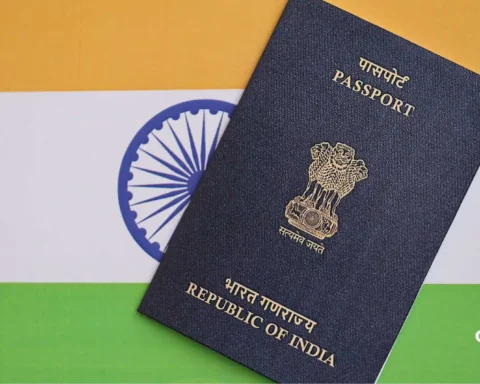





Sports tech innovation in 2026 promises a major shift in global sports. AI, wearables, and immersive tech will give athletes, teams, and fans unique advantages, particularly for the global Indian community seeking fair access. This change will create equal opportunities in areas long controlled by wealthier nations. It will empower talent with data-driven tools that transform potential into podium finishes.
Table of Contents
Sports Tech Innovation in 2026: The Big Picture
In the year 2026, sports technology has been in AI analytics, hi-tech wearables, and fan-oriented platforms to be part of routine training and viewing activities. It is estimated by market forecasters that the world sports technology market will grow to over $50 billion by 2026 as the rate of AI use in professional sports leagues expands to 80 percent.
In the case of the global Indian community, sports technology innovation in 2026 implies a geographical boundary break. Pune cricketer youths can now receive the same AI coaching codes as used by IPL superstars, without having to obtain visas or even top training facilities. Silicon Valley Diaspora engineers already code culturally sensitive apps that consider South Asian physiology, heat tolerance, and playing styles peculiar to Indian pitches.
This new spurt of sports technology in 2026 democratizes elite training. Consider a weightlifter in Maharashtra, reverberating such talents as Harshada Sharad Garud, posting session data to cloud systems that compare her to competitors in the Olympics in real-time. Innovation in sports technology in 2026 is not about devices; it is a platform where global Indians can establish their presence in the story, traditionally authored by others.

AI, Data, and The New Athlete
At the core of sports tech innovation in 2026 lies AI-driven data analytics, transforming raw footage into actionable insights on form, fatigue, and strategy. Such tools as computer vision systems break the movement of players down frame-by-frame, and can forecast injury up to 72 hours beforehand with 95% accuracy.
Sports tech innovation in 2026 excels in personalization: apps generate bespoke recovery plans based on sleep data, nutrition logs, and even mental state via voice analysis. This is radical for the global Indian athletes. A badminton shuttler in Dubai who has intermittent schedules can use AI to maximize his jet-lag recovery, which the traditional coaching process can tend to ignore.
Think about predictive modeling sites that will replicate match scenarios and where underdog teams, such as India in hockey, can outsmart rivals. Sports tech innovation in 2026 empowers Brown coaches to diaspora mentors in Canada to review dashboards remotely, spotting talent in Tier-2 cities that scouts miss. This information literacy bridges this gap, and the Indian narratives are not relegated to mere intuition.
Wearables, Sports Science, and Indian Talent
Wearables dominate sports tech innovation in 2026, embedding sensors into sleeves, insoles, and even smart jewelry to track over 50 biometrics per session. Next-gen GPS vests are also devices used in measuring explosive capability, asymmetry threats, and hydration levels in real-time; this reduces injury downtime by 30 percent.
In India, sports tech innovation in 2026 fuels a startup boom: local firms craft affordable wearables for kabaddi raids and cricket yorkers, tailored to monsoon conditions and diverse body types. Global Indians gain a lot. A footballer in London of Indian origin will be able to use IoT fitness bands by connecting them to apps that will adapt to desi diets to avoid the usual nutrient deficits.
Sports tech innovation in 2026 creates meritocracies in women’s sports, where data trumps bias. Rural Gujarat can upload metrics on global talent pools, which have been appealing to the sponsors who did not previously favour non-traditional profiles. This technology makes all the practices evidence, crucial to a community where migration is usually determined by athletic discoveries.
Smarter Stadiums, Deeper Fan Identity
Sports tech innovation in 2026 extends to stadiums and streams, with AR overlays, AI crowd analytics, and personalized feeds making every match interactive. Fans wear VR glasses to see the 360-degree view or receive haptic feedback of the roaring of crowds in stadiums.
For global Indians, sports tech innovation in 2026 forges emotional bonds. At the 2026 World Cup, diaspora audiences in the US have access to Hindi commentated AR player stats, which fuses pride and immersion. Social media applications such as smart ticketing applications are based on facial recognition that allows fans to enter the stadium smoothly and participate in community social gatherings among Brown supporters.
This layer of sports tech innovation in 2026 amplifies niche leagues, Pro Kabaddi streams with real-time player heatmaps draw 50 million diaspora eyes, rivaling cricket. It is important as it maintains the cultural identity: a family in Sydney will celebrate regional heroes as passionately as the crowds at stadiums at home.
What Sports Tech Innovation In 2026 Means For Global Indians
Sports tech innovation in 2026 will benefit grassroots athletes, diaspora innovators, and fan communities most, but only if biases are checked. Indian federations have to audit AI on South Asian data sets, and the algorithms should not devalue the wiry frames or high-altitude adaptation that are typical of the Ladakh recruits.
Global Indians will benefit since constructors as well: coders with their offices in Bengaluru make ethical wearables, and entrepreneurs in the UK make fan apps praising Brown icons. Sports tech innovation in 2026 could boost India’s sports economy to $10 billion, creating jobs from Pune to Perth.
There is a threat of data privacy breach that might take advantage of susceptible migrant athletes, yet reactive policies make the community pioneers. Sports tech innovation in 2026 reframes global sport: from Western-centric to inclusive, with Indian ingenuity at the helm.
Conclusion
Sports tech innovation in 2026 equips the global Indian community with unprecedented tools to dominate, from data-savvy players in small-town India to story-owning fans scattered across continents. It turns old adversities, such as accessibility and cultural inclinations, disproportionate infrastructure, etc., into actual opportunities, making Brown excellence shine naked to the world.
To families in Pune who tune in to watch a kabaddi raid or diaspora kids in Toronto train on cricket trials, the technology revolution here is that they no longer have to be geographically restricted or controlled by gatekeepers when it comes to realizing their dreams, but rather within the confines of insights that are more specific and focused, which is the same playing field as any other place in the globe.
By embracing and actively shaping sports tech innovation in 2026, global Indians won’t just participate in the revolution; they’ll redefine victory on their own terms, building ecosystems where talent from Maharashtra meets markets in Malaysia, and where every metric tells a story of resilience and rise. It is not just about the quicker sprints or smarter plans but rather about controlling the narrative of sport itself, making sure that the global Indian voice is heard most in the stadiums, streams, and startups of tomorrow.

FAQs
What are the main drivers of sports tech innovation in 2026?
Sports tech innovation in 2026 focuses on AI coaching apps, wearable performance trackers, and immersive fan experiences such as AR overlays. These tools use data analytics for real-time decisions. AI adoption is expected in 80% of professional leagues. For people of Indian descent around the world, this means access to technology for training in kabaddi and cricket in Pune or other diaspora hubs.
How does AI predict injuries in sports tech innovation in 2026?
AI platforms analyze training load, biometrics, and historical data to predict injuries with 85-97% accuracy, often up to 72 hours in advance. Systems such as the NFL’s Digital Athlete create virtual models to simulate risks. Global Indian athletes gain by reducing downtime in resource-limited areas like Tier-2 Indian cities.
What role do wearables play in sports tech innovation in 2026?
Wearables track over 50 metrics, including acceleration, hydration, and asymmetry, using GPS vests and IoT bands. They cut injuries by 30%. Indian startups modify these devices for monsoon cricket and kabaddi. Users in London from the diaspora sync their data to adjust their traditional diets, which improves performance equity.