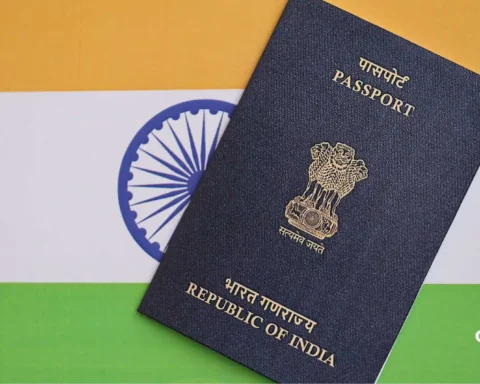





Pig butchering scams in India are changing the global fraud scene. They use social media, AI tools, and strong emotional manipulation to take away victims’ savings, dignity, and trust. For the global Indian and Brown community, these scams pose a serious threat. They target family networks across India, the Gulf, North America, Europe, and Southeast Asia. Often, they exploit feelings of loneliness, migration pressures, and the wish for quick financial security.
Table of Contents
What Are Pig Butchering Scams?
Pig butchering scams in India are long-con financial frauds in which the scammers fatten targets with attention, affection, or unattainable profits before butchering them by emptying their bank accounts with unrealistic investments or crypto platforms. It is so named because of criminal ecosystems in China and Southeast Asia, where the victims are groomed over weeks or months and then wiped out completely.
In India, pig butchering frauds begin with an informal message on WhatsApp, Telegram, Instagram, or dating apps, typically in the form of a wrong number, networking invitation, or introduction. After the victim notices, the scammer gradually builds rapport, offers investment advice, and then pressures the victim to engage in fraudulent trading or to use cryptocurrency sites that display counterfeit returns to attract more deposits.
Pig Butchering Scams In India: Scale, Tactics, And AI
The magnitude of pig butchering scams in India has now hit thousands of crores, and vulnerable populations such as students, unemployed youth, homemakers, and small business owners are especially targeted. The Ministry of Home Affairs of India reports that grievances related to such investment frauds are received via WhatsApp, Telegram, Instagram, Facebook, YouTube, and even Google Ads, indicating how pig butchering scams in India have been integrated into these platforms.
The criminal infrastructure of pig butchering scams in India can be explained by looking beyond national solutions. Research by organisations such as the United States Department of Justice and foreign scholars indicates that several fake compounds are operated by organised crime syndicates in Southeast Asia, with some of them involving trapped labour who are trafficked to execute internet fraud. This ecosystem may be referred to as pig butchering cybercrime research.
In India, AI has increased the number of pig butchering scams. Scam artists can create hyper-personalised chats, artificial profile images, and even artificial voice or video content. Security analysts observe that AI chatbots assist fraudsters in maintaining dozens of parallel conversations, monitoring victim behaviour, and modifying manipulation scripts on the fly, thereby transforming pig butchering fraud in India into a social engineering enterprise.

Social Media Grooming And Emotional Manipulation
Emotional grooming is central to the pig butchering frauds in India: scammers pose as romantic partners, business associates, NRIs, and self-made merchants, eager to disclose their secrets of success. They are copies of the victim’s language, cultural allusions, and life challenges, and they turn pig butchering scams in India into less of a fraud and more of an intimate relationship or a well-known friendship.
This weakness is enhanced through social media. The increase in pig butchering on WhatsApp and Telegram reports demonstrates that scammers rely on display pictures, lifestyle posts, and phoney trading screenshots to build credibility. In the case of global Indians, it is common to find Indian pig butchering scams packaged in the same way the community trusts it, with reference to hometowns, Bollywood, regional language, or NRI life, erasing the distinction between community trust and calculated exploitation.
After trust has been earned, pig butchering fraudsters in India redirect victims to third-party sites and applications that appear to be legitimate trading dashboards. On-screen, early “profits” are visible, and small withdrawals are permitted from time to time, which further lures believers before large deposits are requested, after which they are frozen or entirely stolen.
The Transnational Web: India, Southeast Asia, And The Diaspora
Pig butchering frauds in India do not exist as localized crimes; they are just one of the nodes on a transnational criminal network between India and scam compounds grown in Cambodia, Myanmar, and Laos, among other regions of Southeast Asia. International surveillance of these substances reveals that trafficked victims of the trade, who are usually induced by false employment opportunities, are exploited to work in pig butchering sham factories specifically aimed at the victims across the world, such as Indians in India, and NRIs in the foreign world.
An ecosystem scan conducted by Chainalysis on the global pig butchering ecosystem shows that scam revenues in 2024 have grown by almost 40 percent annually, with deposits growing by more than 200 percent despite the average ticket size decreasing. Their research on this trend warrants investigation. Pig butchering crypto scam turnover. To the international Indian community, this translates to pig butchering scams originating in India from IP addresses in Southeast Asia, shell companies in the UK, or crypto wallets sent via services such as Huione Guarantee, which professionalise money laundering by scam networks.
Multilateral bodies and regulators are beginning to act. The U.S. and the U.K. taking joint action against Southeast Asian scam networks, as reported in newspaper articles such as “America and Britain crack down on Asia scam industry,” reveal how pig butchering activities overlap with human trafficking, money laundering, and proxy wars in the region. To global Indians, this is a confirmation that pig butchering scams in India belong to a darker geopolitical economy in which both Brown victims and those manipulated by the workers are exploited.
Why It Matters For Global Indians
Global Indians are particularly vulnerable to pig butchering scams in India, as these schemes exploit transnational family ties, remittances, and aspirations for rapid financial mobility. NRIs and PIOs who send money home to parents, siblings, or investment projects are the best targets for narratives about high-return crypto schemes that are guaranteed or for insider tips on stocks that are just believable in a world of online trading apps and fintech.
Also, loneliness and cultural stigma are used by pig butchering scams in India. Global Indian students, unmarried professionals, and newcomers in cities such as Dubai, Toronto, Singapore, or London may be lured into online relationships that gradually turn into investment schemes orchestrated by fraudsters based in India or operating through India. To Indian elderly family members, the inclusion of foreign aspects, such as foreign exchange, foreign consultants, or NRI patrons, can give pig butchering fraud projects in India a threatening glow of authority.
Policy-wise, the pig butchering scams in India are transforming the state perceptions of the cross-border regulation. According to the report on transnational organised crime by UNODC, pig butchering is an excellent example of financial grooming that intersects with cyber slavery and crypto abuse, and weaker corporate regulation. As a global Indian, the need to promote greater cybercrime collaboration between India, countries where these attacks occur, and multilateral organizations has become a civic duty, rather than a technology concern.
Protecting The Community And Moving Forward
For individuals and families, the first defense against pig butchering scams in India is emotional and cultural awareness. Any “relationship” that quickly shifts to secretive investment advice, pressure to move funds, or the use of unregulated platforms should be seen as a major red flag. This is especially true when it avoids RBI-regulated channels.
Community spaces, such as temples, gurdwaras, mosques, churches, alumni groups, and diaspora associations, can help by offering brief workshops, sharing survivor stories, and distributing simple explanations of pig butchering scams in India in regional languages. When global Indians openly discuss fraud rather than hiding it in shame, they help others identify patterns early and encourage governments to strengthen cooperation on cybercrime. This will protect Brown families across borders.
Conclusion
Pig butchering scams in India are more than just isolated online frauds. They attack the emotional and financial well-being of global Indian families around the world. These scams use AI-driven grooming, social media intimacy, and elaborate investment schemes. They exploit trust, aspirations for migration, and community bonds. Victims are left poorer, ashamed, and isolated.
For the global Indian and Brown community, addressing pig butchering scams in India means taking back control over technology and trust. When families make verification routine, talk openly about scams, and view scepticism as a caring response rather than a sign of disrespect, they make it much harder for fraudsters to target them. Diaspora groups can advocate for stronger cyber laws, improved cross-border cooperation, and cultural awareness in financial education. This can turn the crisis into an opportunity to build stronger, more informed, and more united communities that are no longer easy targets in a dangerous digital economy.

FAQs
What defines a pig butchering scam?
A pig butchering scam typically begins with friendly online communication on platforms such as WhatsApp or Telegram. It builds emotional trust over weeks. Then it leads victims to fraudulent investment sites that display false profits before withdrawing all their deposits.
How do scammers use AI in these frauds?
Scammers use AI to create personalized chat scripts, realistic fake photos, voice clones, and behavior analysis. This helps them manage multiple victims effectively while imitating their speech, culture, and emotions.
Which platforms are most used for pig butchering scams in India?
WhatsApp, Telegram, Instagram, Facebook, dating apps, and even YouTube or Google Ads serve as entry points through which scammers pose as friends, mentors, or romantic interests.