



Africa’s transition to green hydrogen is reshaping its economic future and creating new opportunities and risks for global energy markets. It also affects the global Indian community that is watching, investing, and working in these areas. As Africa’s green hydrogen projects shift from flashy announcements to actual investment choices, the difference between promise and reality is hard to overlook. This is important for global Indians as new opportunities arise in energy, finance, and partnerships within the Global South.
Table of Contents
Why Africa’s Green Hydrogen Projects Appeal
The continent of Africa hosts some of the most favorable solar and wind resources globally, making it a perfect location to develop a low-cost source of green hydrogen. The governments of Namibia, Mauritania, and South Africa are also aiming to become future exporters of green hydrogen and green ammonia to Europe and Asia.
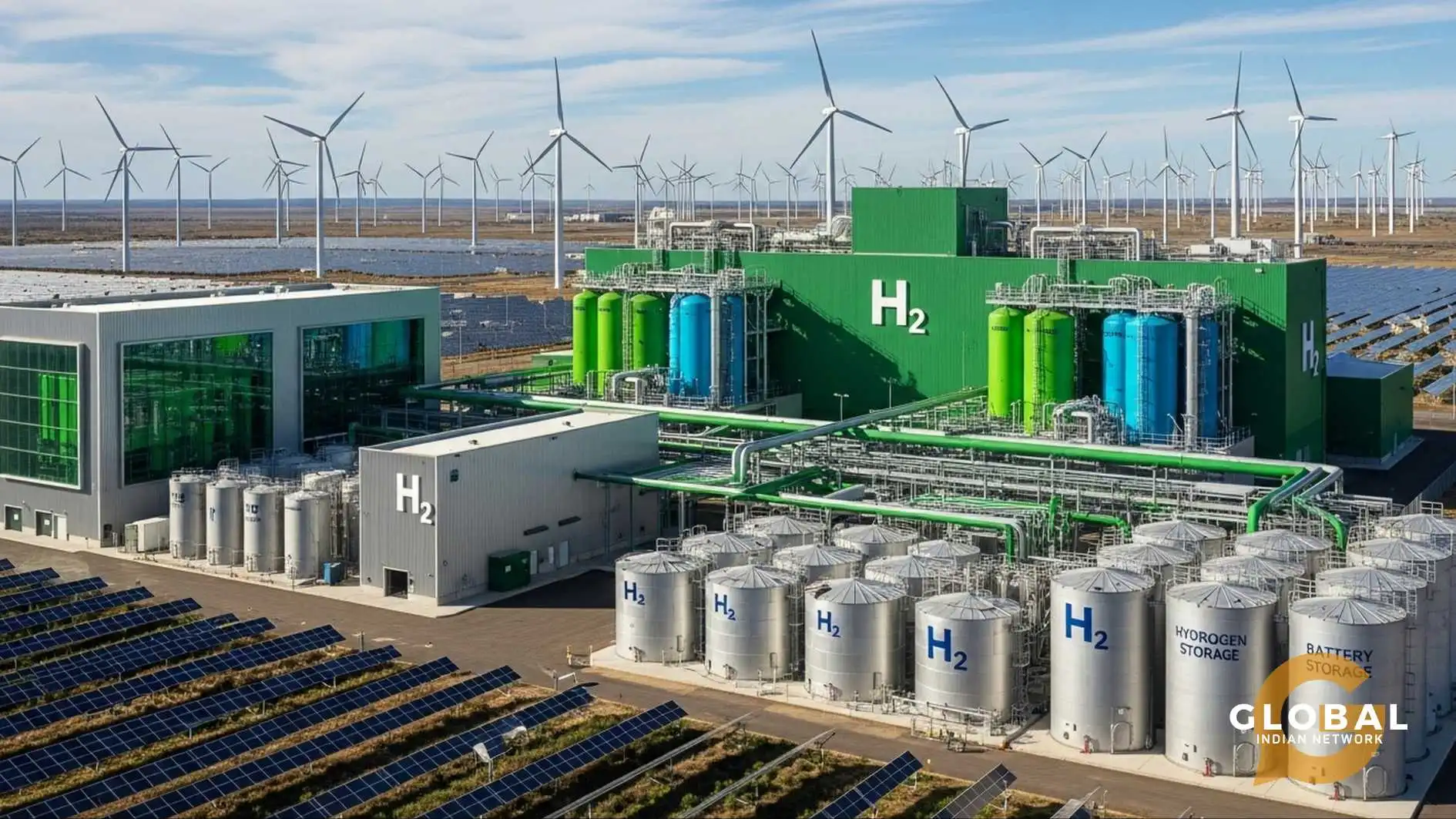
Large-scale green hydrogen projects in Africa, such as Namibia’s planned multibillion-dollar hydrogen initiative and Mauritania’s Aman and Nour projects, aim to generate tens of gigawatts of renewable power dedicated to hydrogen production. South Africa has the most initiatives of over fifty large-scale ones announced, such as flagship projects, such as Coega ammonia export hub.
For the global Indian community, these early-stage African green hydrogen projects offer an opportunity to shape new value chains by leveraging Indian expertise in solar and engineering, rather than merely entering mature Western markets.

Economic Promise Of Africa’s Green Hydrogen Projects
Africa’s green hydrogen projects promise jobs, exports, and industrial upgrading, breaking the dependence on raw commodities. When implemented properly, they would enable the connection of inexpensive renewables to high-value chemicals, fertilisers, and fuels, thereby creating a new manufacturing environment.
Research indicates that exports of hydrogen and its derivatives may reach tens of millions of tonnes per year by mid-century, thereby generating billions of foreign exchange for African economies. Thousands of construction and long-term employment opportunities are expected to be generated by flagship projects in Mauritania and Namibia, thereby stimulating port development, transmission lines, and local service industries.
Global Indians stand to benefit, as Indian firms that are strong in low-cost solar, electrolyser, and EPC manufacturing can partner to co-create African green hydrogen projects, thereby opening markets for technology exports and diaspora-led ventures.
Geopolitical Risks In Africa’s Green Hydrogen Projects
Africa’s green hydrogen projects sit at the intersection of intense geopolitical competition from Europe, Gulf countries, China, and India. Each player has a distinct motive, timeline, and risk tolerance, creating tension over access to supplies and project control.
European utilities are interested in diversified low-carbon imports, but they are concerned about political instability and the inability to honour contracts in African countries. The Gulf players are capital and diplomacy lockers through aggressive investments in African renewables.
For African governments and the global Indian community, the risk is a new form of dependency if Africa’s green hydrogen projects prioritise foreign decarbonisation over domestic energy access and industrial growth, repeating patterns seen with fossil fuels.
Investment Challenges For Africa’s Green Hydrogen Projects
A substantial gap exists between announced investments and committed cash for Africa’s green hydrogen projects. Dozens of gigawatt-scale projects have been announced, but few have progressed beyond the feasibility stage to a final investment decision.
Funding, infrastructure, and offtake arrangements remain bottlenecks, and the country’s risks, such as policy instability, increase the cost of capital. It has more than forty projects to be completed by 2030, but execution is significantly behind schedule, according to analysts.
Global Indians in banking and corporates can bridge this via structured finance and patient equity, turning African green hydrogen projects into bankable assets with Indian offtake from refiners and fertiliser firms.
India-Africa Ties And Global Indian Impact
India is investigating closer cooperation on green hydrogen through a combination of African resources and Indian solar and engineering capabilities. Offers contain concessional credit for solar and understandings regarding areas such as the Suez Canal zone in Egypt.
Standards and supply chains are promoted in platforms such as the International Solar Alliance and Africa Green Hydrogen Alliance. Diaspora professionals could recommend fair contracts through the India-Africa business councils.
For global Indians, Africa’s green hydrogen projects offer careers beyond traditional hubs, ensuring local value-add, such as training and affordable power, to avoid resentment.
Conclusion: Shaping A Fairer Future
Africa’s green hydrogen projects are at a crucial point, balancing ambition and competition. They affect energy prices and jobs across Africa and India. Global Indians need to step up and help create cleaner, fair partnerships.
By investing and speaking out, the community can ensure these African green hydrogen projects benefit everyone. This will help secure a varied energy future for India and its diaspora.
FAQs
What are the leading African green hydrogen projects in development?
Key initiatives include Namibia’s Hyphen Hydrogen Energy project, Mauritania’s Aman and Nour developments, and South Africa’s Coega green ammonia hub. Dozens more are in the planning stages.
How do Africa’s green hydrogen projects benefit the global Indian community?
They create chances for Indian companies in solar, electrolysers, and EPC. They also support roles in finance and policy for the diaspora. This helps build South-South partnerships for energy security and exports.
What geopolitical risks threaten Africa’s green hydrogen projects?
Competition from Europe, the Gulf states, and China raises concerns about dependence, instability, and unequal value sharing if projects prioritise exports over local development.