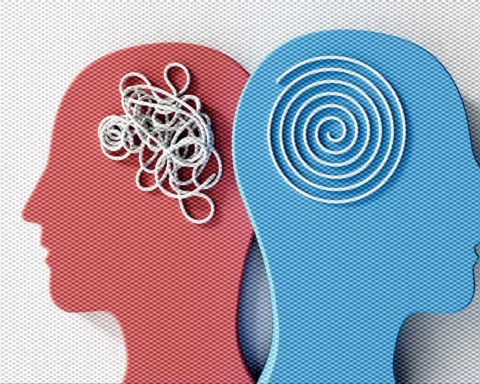





Gambling addiction, clinically referred to as Gambling Disorder, is a recognized behavioral addiction that can have serious psychological, social, and financial consequences. Unlike casual or recreational gambling, compulsive gambling means the addiction to gambling involves a persistent and problematic pattern of behavior that interferes with daily life. It is also different from problem gambling, although it can be used interchangeably.
The American Psychiatric Association (APA) formally classified Gambling Disorder as an addictive disorder in the Diagnostic and Statistical Manual of Mental Disorders (DSM 5-TR), placing it alongside substance-related addictions. This classification is reflective of extensive research showing that gambling and betting affect the brain’s reward system in ways similar to drugs or alcohol. Understanding the signs of gambling addiction is crucial for early identification, prevention, and effective intervention.
Table of Contents
Signs of Gambling Addiction
One of the clearest indicators of gambling addiction is a noticeable change in behavior and emotional functioning, particularly with a fixation on gambling. They often exhibit preoccupation with past gambling experiences, plan future bets, or relive wins and chase losses. This mental fixation often interferes with school, work, or family responsibilities, leading to a myriad of relationship problems.
Another major psychological sign is loss of control. People with gambling addiction frequently gamble longer or with more money than they initially intended, essentially building a gambling habit. They may repeatedly attempt to cut back or stop gambling but fail, leading to frustration, guilt, or shame. The DSM-5-TR specifically identifies repeated unsuccessful efforts to control gambling as a diagnostic criterion.
Emotional symptoms also play a significant role. Individuals, at times, gamble to escape negative feelings such as stress, anxiety, sadness, or even boredom. Essentially chasing a high. Over time, gambling becomes a coping mechanism or an emotional crutch rather than a form of entertainment. When unable to gamble, they become irritable, restless, or show mood swings similar to withdrawal symptoms from drugs.
Additionally, gambling addiction is often linked to denial and minimization. A person may downplay the severity of their behavior, make excuses, or become defensive when questioned. Research cited by the APA shows that denial is common because admitting the problem can trigger feelings of failure or fear of consequences. These behavioral and psychological warning signs are often the first indicators that gambling has become a serious problem.

Financial Consequences of Gambling
Financial problems are among the most visible and damaging signs of gambling addiction. Individuals may begin by betting small amounts, but over time, they often need to gamble with increasing amounts of money to achieve the same sense of excitement. This pattern, known as tolerance, is another diagnostic criterion identified by the APA.
Common financial warning signs include frequent borrowing, unexplained debt, maxed-out credit cards, or missing money. Some individuals may sell personal belongings or ask friends and family for loans without clearly explaining why. In more severe cases, gambling addiction can lead to legal problems such as theft or fraud to obtain money for gambling or to cover losses. The DSM 5-TR explicitly recognizes lying to conceal gambling behavior and relying on others for financial relief as significant red flags.
Occupational and academic performance often declines as well. Someone struggling with gambling addiction may miss school or work, show decreased concentration, or neglect personal responsibilities. Productivity also drops, deadlines may be missed, and relationships with teachers, employers, or coworkers may become hampered. According to the APA, these external consequences often persist even when the individual believes they can chase losses rather than cut them.
Financial trouble tends to worsen mental health, creating a harmful cycle. Anxiety, depression, and feelings of hopelessness may increase as debts accumulate, which in turn can push the individual to gamble more in an attempt to solve financial difficulties. This cycle highlights why gambling addiction is considered both a mental health disorder and a serious social issue.
Social Problem Due to Compulsive Problem
Gambling addiction not only affects the individual; it has significant effects on relationships and overall well-being. Social withdrawal is a common sign. Individuals may isolate themselves from friends and family, either to hide their gambling or because they feel ashamed or misunderstood. According to APA-informed research, interpersonal conflict is one of the most frequent consequences of Gambling Disorder.
Relationships often suffer due to broken trust. Lying about gambling behavior, financial secrecy, or broken promises to stop gambling can lead to arguments and emotional distance. Family members may experience stress, confusion, or anger, while the individual with the addiction may feel misunderstood or judged. Over time, these strained relationships can result in long-term emotional damage.
Health impacts are also significant. Chronic stress from gambling addiction can contribute to sleep problems, headaches, gastrointestinal issues, and weakened immune function. Mental health conditions such as depression and anxiety commonly co-occur with gambling disorder. The APA notes that individuals with gambling addiction are at higher risk for mood disorders and other addictive behaviors, making early identification especially important.
In adolescents and young people, gambling addiction can interfere with healthy development. Poor academic performance, reduced participation in activities, and impaired decision-making skills are potential outcomes. Research emphasizes that early exposure to gambling, especially through online platforms, increases vulnerability to addictive patterns later in life.
Treatment and Recovery From Gambling Addiction
For all its consequences, gambling addiction is a treatable mental health condition, and effective recovery is achievable, but it involves a combination of professional treatment and social support. The American Psychiatric Association (APA) emphasizes that early intervention significantly improves outcomes for individuals with Gambling Disorder.
One common support option is Gamblers Anonymous (GA), a peer-led program that is based on a 12-step model. GA provides a supportive environment where individuals can share experiences, reduce feelings of isolation, and build accountability. While not a substitute for clinical treatment, peer support has been shown to enhance long-term recovery.
Cognitive Behavioral Therapy (CBT) is identified by the APA as one of the most effective clinical treatments for gambling addiction. CBT helps individuals identify harmful thought patterns, manage urges, and develop healthier coping strategies. Family therapy and group therapy are also highly recommended, particularly when relationships have been affected.
Gambling helplines and support services offer confidential assistance, referrals, and crisis support, making them an accessible first step toward recovery. Additional tools such as financial counseling and self-exclusion programs can help individuals regain control and reduce relapse risk. Together, these strategies support sustainable recovery and improved well-being.
Conclusion
Gambling addiction is a complex and serious behavioral disorder recognized by the American Psychiatric Association and supported by extensive psychological research. The signs of gambling addiction extend beyond occasional gambling losses and include persistent behavioral, psychological, financial, and social problems. Key warning signs include preoccupation with gambling, loss of control, emotional distress, financial instability, declining performance at school or work, strained relationships, and negative health effects.
Understanding these signs is essential for prevention and early intervention. Because gambling addiction often develops gradually, recognizing subtle changes in behavior can make a significant difference. Well-researched frameworks such as the APA’s DSM-5-TR provide valuable guidance for identifying Gambling Disorder and emphasize that it is a treatable mental health condition. Increased awareness, education, and support can help reduce the harmful impact of gambling addiction and promote healthier decision-making and well-being.
FAQs
How can you tell if someone has a gambling addiction?
Whenever an individual exhibits a need to gamble with increasing amounts to achieve the desired excitement. Repeated unsuccessful efforts to control, cut back on or stop gambling. Restlessness or irritability when trying to cut down or stop gambling. Gambling when trying to escape from problems, negative mood, or stress.
What are the four stages of gambling addiction?
The Baylor College of Medicine outlines the four phases of gambling: winning, losing, desperation, and hopelessness. In the first phase, gamblers experience euphoria after winning and spend more money to feel that rush again. After losing, they experience desperation and continue gambling to recoup their losses.
What do most gambling addicts play?
Electronic Gambling Machines, including slot machines, are consistently shown to be the most addictive form of gambling due to high participation and rapid play cycles.