


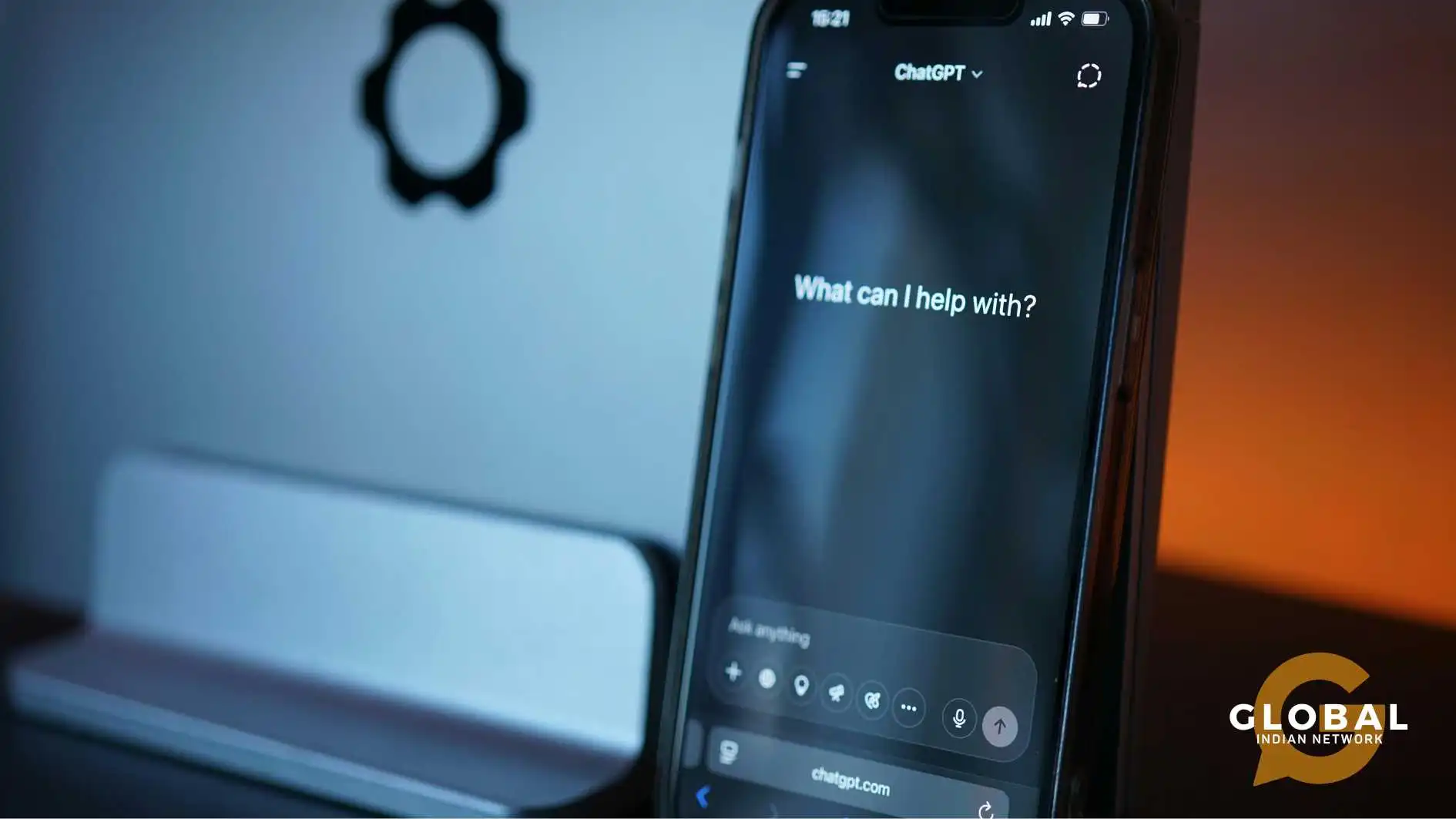

Remember the excitement when ChatGPT first arrived? It felt like magic, with fingers racing over keyboards and ideas sparking like fireworks. Now, the whispers of the ChatGPT exodus are growing louder. Developers, researchers, and everyday innovators are leaving OpenAI’s flagship for competitors like Claude, Grok, and Gemini. Is this just healthy competition, or are we witnessing the start of a chilling AI Cold War? As someone who has seen tech trends come and go, this situation feels close to home.
The ChatGPT exodus isn’t just talk; it’s a mass migration driven by burnout and feelings of betrayal. I’ve experienced that frustration myself, spending late nights adjusting prompts only to run into invisible barriers. Let’s explore why this exodus feels so personal.
Table of Contents
Why The ChatGPT Exodus Feels Like a Tech Heartbreak
Imagine the following scenario: You are an Indian coder in London, just out of an H1B grind, and on the verge of checking the code or writing a pitch to the client through the use of ChatGPT. One day, it begins to delirate, filter out sensitive issues, or simply underperform its own hype. That’s the spark. The ChatGPT exodus occurred when users ran into paywalls, and it was outperformed by Grok in reasoning, uncensored wit, and Gemini’s multimodal magic.
However, it goes beyond benchmarks. There is an unrefined feeling here: exasperation efflorescing. Forums such as r/ChatGPT on Reddit are overwhelmed with rants. Loyalty shattered. The ChatGPT exodus is a reflection of our own migrations into the global diaspora, from Filipino devs in Dubai to Nigerian engineers in Toronto. We have shipped away home on a promise, and now AI users are escaping the walled garden of OpenAI for the open meadows. The sinking despair of growing up out of what used to be home is heartbreaking but free.
The Geopolitical Chill: The ChatGPT Exodus as AI Cold War Prelude
Zooming in, the ChatGPT exodus appears to be proxy wars in a developing AI arms race. West is dominated by OpenAI, which is supported by Microsoft. But Anthropic (Claude) picks up former OpenAI staff who are afraid that Sam Altman will build an empire. xAI has Grok, which is the brainchild of Elon Musk, who is not shy about freedom of speech. Google’s Gemini? A sleeping giant is stirring.
That is not apps swapping; it is the nations and ideologies fighting. The DeepSeek of China and the Mistral of Europe are also attracting users, which are dividing the AI world. The ChatGPT Exodus is the indicator of the bipolar world: an OpenAI dominated by the U.S. against the multipolar rebellion. The Indian brain drain to the U.S. back in the nineties? Now, it’s code drain. In startups, creators grumble about starting a company on Llama or Mistral, which are less expensive, less censored, and more in line with our anarchic creativity.
The stakes? Control. In case the ChatGPT exodus gains momentum, we have to deal with echo chambers: Western AI being sanitized in order to be harmless, Eastern AI being uncontrolled. Cold War 2.0 is its proxies, not missiles. I can only imagine my young Indian grads, who aren’t so Indian, choosing sides in this division. Will it be a threat to innovation or the beginning of a new tradition?

Who’s Winning The ChatGPT Exodus And What It Means for You
Early winners? Claude, lead anthropic personages, the ChatGPT exodus charge with code and ethics that are non-preachy. xAI Grok loves hearts (and memes) with humor, only the first AI burning back. Android users are stuck on Gemini because of Google’s ecosystem. OpenAI? Losing market share, scrambling with o1 previews.
As a creator like me, the ChatGPT exodus is a sweet release of freedom. There will be no further insanity of prompt-engineering marathons; competitors simply do it better. Freelancer Indian diaspora in the UK? They are making fortunes off Claude to SEO blogs, Grok to edgy copy. The world migrants are all feeling it- we either change or stay behind.
But there is still a sense of nostalgia for the fresh fire of ChatGPT. The ChatGPT exodus is painful in that it was our gateway to the AI miracle. We are now polyamorous on models, a blend of Grok and Claude.
The ChatGPT Exodus and the Indian Diaspora’s Wake-Up Call
This is the diaspora effect: The ChatGPT exodus reflects our histories. Millions of global Indians moved away to have opportunities in U.S. tech hubs, and met a visa wall and cultural whiplash. It has now become AI talent, but former OpenAI employees are now flying to Anthropic. It is reminiscent: being loyal to one home (or weapon) will make you blind to improved ones.
Young companies in India, such as Sarvam AI, are navigating the three waves of the ChatGPT exodus and creating vernacular models. African coders in Berlin and around the world are moving to open source, circumventing Big Tech gatekeepers. This escape makes the underdog strong and puts the human spirit in the cold silicon.
Conclusion: Hope Amid the Chaos
Then, is the ChatGPT Exodus the start of an AI cold war? It is likely tensions are cooling, but competition is genius. OpenAI may face backlash; competitors may merge. For now, embrace the flux. Test Claude depth, Grok fun, Gemini images. The ChatGPT exodus sets us free of the monopoly, and that Diwali-spark happiness comes back to us.
We have been through actual exoduses, and this is code. What would you do in the ChatGPT exodus? The AI frontier is ahead of us. Take your time and flee.
FAQs
What is The ‘ChatGPT’ Exodus?
It’s the large user shift from ChatGPT to competitors like Claude and Grok, driven by performance issues and ethical concerns.
Why the exodus now?
People are frustrated with censorship, slowdowns, and the retirement of models like GPT-4o. Ties to the Department of Defense are raising privacy fears.
Top alternatives gaining users?
Users turn to Claude for better reasoning, Grok for unfiltered enjoyment, and Gemini for visuals.