



Crowds fill city parks, searching for peace. Still, quiet loneliness hangs around, unseen but felt. Here lies a deep split: bodies close, hearts far apart. Technology constantly links us, yet many feel left out. Building taller towers means nothing if souls stay distant. What looks like community often lacks real contact. Facing this gap matters now more than ever. Growth without warmth offers little comfort. Shared space must become shared feeling too. Only then does belonging begin.
Crowded Parks, Silent Souls
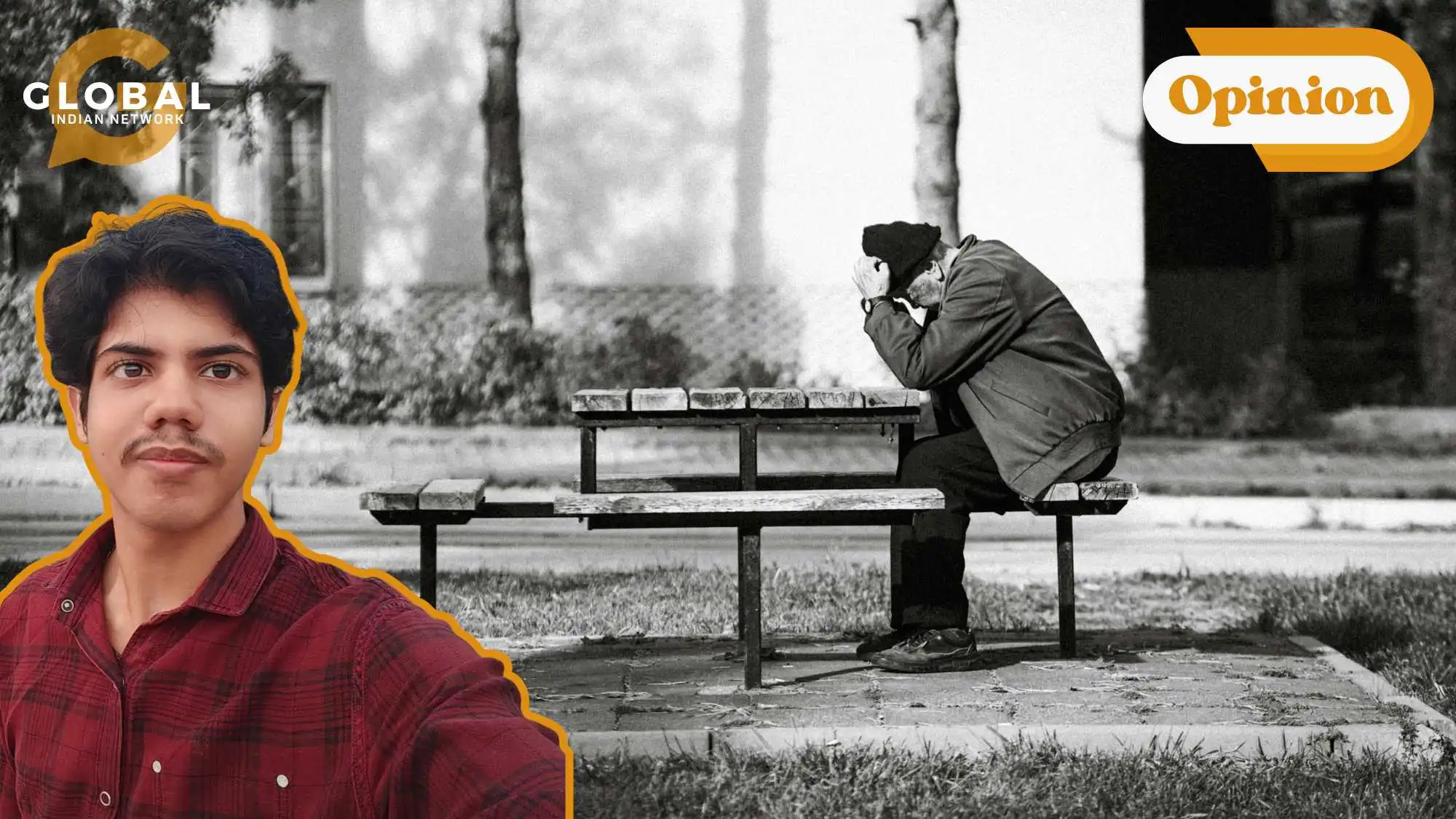
Though parks hum with movement, runners tracing trails, children eating lunch under trees, and older people sitting still, public loneliness remains common in open spaces. Screens draw attention downward, personal space stays guarded without words, while quiet replaces expected conversation. Even among many, the feeling of being overlooked grows stronger because presence does not guarantee connection. What looks like community often holds emotional distance instead.
Though city designers praise compact spaces, experts in social behavior question their emotional cost. Research across nations shows that 6 out of 10 people in parks feel isolated even when surrounded by others. What stands to be lost becomes visible only when silence speaks louder than crowds. Without change, open lawns may memorialize loneliness instead of life.
Occasionally, light appears through minor gestures, a brief smile shared, a silent acknowledgment across passing figures, echoes of endurance unfolding. Still, purpose grows only when such moments extend beyond chance, shaping public spaces once choked by indifference into grounds where belonging takes root.
Defining Public Loneliness
Among crowded streets, a sharp sense of separation takes hold, different from public loneliness. Despite being in close proximity to others, connection remains absent, creating an odd contrast. This state gains shape when people feel left out, even while standing amid crowds. Presence does not guarantee belonging, researchers note, and they measure these gaps through personal reports of public loneliness.
This pattern stems from ancient survival strategies; early human groups thrived on tight bonds, yet today such instincts meet a scattered world. When connection falters, unease takes hold, deepening isolation through retreat. Recognition acts as an anchor; putting shared solitude into words opens paths once blocked by silence.
Worldwide, it touches every age group, from teens lost in streams of updates to workers deep in career pressures. To grasp its shape comes before any meaningful change can begin. Though quiet, awareness becomes the first sign that something else might follow.

Urban Design’s Hidden Role
Unseen patterns in city planning often lead to public loneliness, even when the aim is to connect. Rather than encouraging gatherings, wide-open grassy areas quietly separate people. Movement becomes the focus, while moments of stillness fade into absence. Design choices shaped by speed tend to overlook inner human needs. What looks like progress may carry quiet costs, as seen in empty benches and silent corners.
What if resilience requires a pause? Curved seating arrangements open space for conversation. Shade-covered corners make staying longer feel natural. Examples across Europe reveal a nearly one-third rise in social exchanges after urban updates. Hesitation around unproven ideas gives way when purpose evolves gradually. The past stops dictating the future.
Despite appearances, parks serve fundamental human needs. Because communities shift, design must follow lived experience. Where public life unfolds, so should planning adapt. Resilience emerges when spaces respond continuously. Feedback becomes structure, not just a suggestion.
Technology’s Double-Edged Grip
People sit side by side while wired into public loneliness. Sound sealed off, attention drawn inward by flickering screens instead of shared glances. Quiet spreads, not from peace but from diverted eyes and muted voices. What seems like contact slips away beneath constant pings and private loops. Public benches hold bodies, though they rarely exchange.
With growing unease, people notice how algorithmic sorting narrows experience, weakening unplanned connections vital to well-being. Though driven by progress, tech ventures often miss this cost, favoring measurement instead of deeper value.
Amid shifts in digital culture, resilience emerges in unplugged spaces where conversation flows without devices. A quiet optimism grows when blended methods emerge, with augmented reality guiding personal reflection beyond screens. With care, technological strength merges alongside human connection, shaping what comes next. Direction comes not from rejecting tools, but from placing relationships first.
Global Diaspora Pressures
Away from home, people move in large groups across borders, filling public loneliness while searching for comfort in strange cities. Though found in one out of four technology ventures in Britain, those born elsewhere carry silence beneath success. Loneliness spreads even when work thrives, hidden behind steady routines and quiet evenings. Some connections form slowly, built without words, shaped by half-ignored shared spaces. Grounds meant for gathering stay nearly empty, used only at the edges, despite the need rising steadily.
A single thread runs through every story here: the weight of reaching forward against the pull of staying near. Though cities promise more, those who move find themselves lonelier figures, showing a thirty-five percent rise in public loneliness. What changes things? Spaces built without erasing difference, where practices unfamiliar to the majority still fit without question.
Parks might become centers of endurance worldwide, should policy embrace such perspectives. Crucibles of strength could emerge where inclusion shapes ambition.
Pandemic’s Lasting Echoes
Public loneliness settles where crowds once gathered, silence stretching across vacant benches. After quiet months, people returned, hesitant, spaced by habit more than rule. Eyes met through fabric coverings, distance held not by order but choice. Time passed. Gestures grew bolder: a nod, then closer steps, then shared paths without retreat. Trust arrived quietly, shaped by repeated small moments.
Now ambition measures mixed standards: gatherings with proof of vaccination reflect cautious optimism where wellness matters. Over time, health research has linked these years to lasting increases in separation. Adaptation remains necessary as people face ongoing challenges.
Parks regain purpose here; endurance shapes how communities connect ahead. Where trials unfold slowly, trust among people takes root differently.
Pathways to Reconnection
Combating public loneliness hinges on actionable redesigns that blend intention with invitation. Strategic elements include:
- Circling inward, twin benches align to soften the arrival at conversations.
- Thematic boards sparking shared reflections (e.g., “What brings joy?”).
- Timed low-stakes events like twilight reads.
Resilience grows here, shaped by design where chance meets order. Through small trials, ambition moves forward, and progress is seen in how people engage.
When communities join forces, outcomes grow stronger. Parks then become symbols of shared belief.
Economic Toll of Isolation
One quiet cost to society emerges: public loneliness weakens how much work gets done while raising the cost of support services. When employees lack connection, performance often falls by one-fifth. Data from workplace health studies confirm this trend, and then medical demands grow under lasting strain. What drives progress risks harm if overlooked, since strong economies depend on healthy individuals who can adapt.
Fear of economic decline drives actions within business complexes, where financial goals meet social aims. Through the lens of return on investment, a different picture appears: staff who feel linked tend to spark waves of new ideas.
When one person thrives, the community often does too. Well-being spreads quietly through shared conditions. A stable society rests on each member’s stability. Progress links personal health to collective strength. Individual gains echo beyond the self.
Cultural Shifts for Resilience
What is needed now is a shift toward reducing public loneliness, where the media plays a role by opening conversations about human connection. Rather than treating solitude as a personal failure, the efforts present it as something widely experienced and overcome through group awareness.
Resilience gains meaning not alone but when seen as a common achievement shaped across communities. From Nordic ideas of warmth in togetherness to broader cultural values, ambition fuels stories worldwide that reframe how bonds form. A change in norms begins quietly, yet spreads through repeated emphasis on mutual belonging.
Fear fades when ambition meets openness. Shared requests make reaching out ordinary. Change in how people think offers quieter tomorrows. A different calm grows where risk once stood.
Conclusion
Parks filled with people yet marked by silence speak volumes. When solitude appears in shared spaces, a shift becomes necessary. Not through force, but through subtle rethinking of how gatherings unfold. Change emerges where design meets habit. Instead of grand gestures, quiet adjustments take root. With time, these shape how individuals relate to one another. Meaning grows when space allows it. What feels distant today may become ordinary tomorrow. The future of cities rests not only on structures, but on moments between people. Belonging does not follow from proximity alone. It arises slowly, fed by invitation, shaped by return.
Let us know your thoughts. If you have burning thoughts or opinions to express, please feel free to reach out to us at larra@globalindiannetwork.com.