




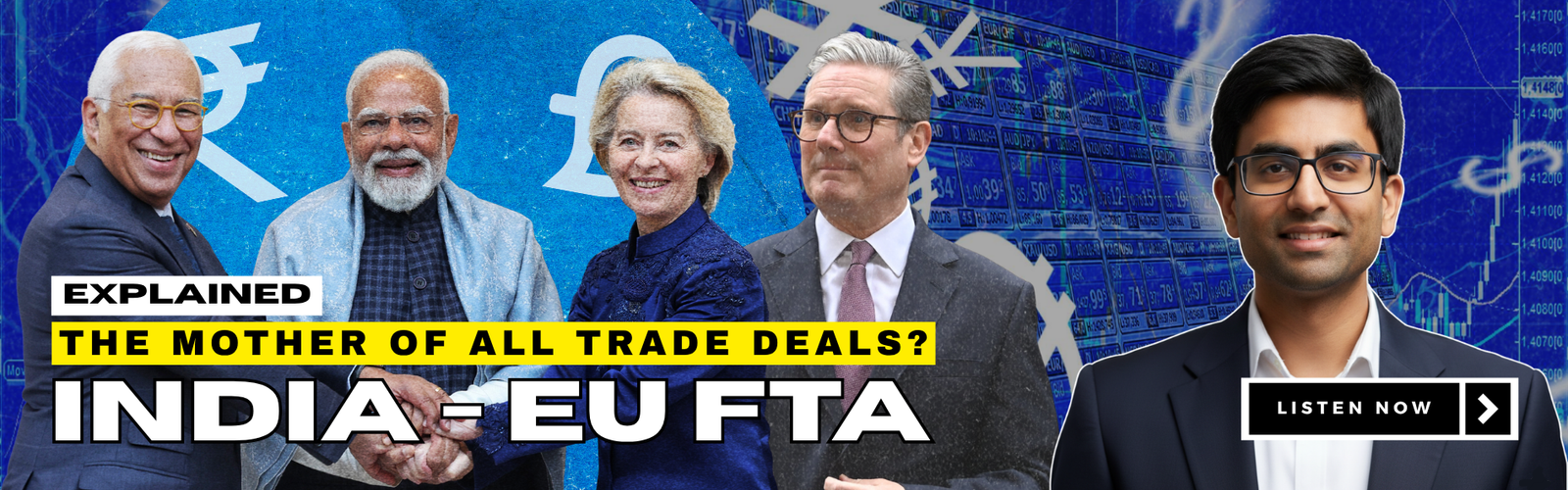
The India-EU mobility pact for people is a significant milestone between India and the European Union, providing more flexible visa arrangements for qualified professionals and students and creating new opportunities for the trade of services as part of the broader free trade agreement (FTA) relationship. It provides a foundation for India and the EU to work together to build a prosperous future for both sides amid global challenges of talent shortages and economic instability.
Table of Contents
India-EU Mobility Pact Core Provisions
India-EU mobility pact: It aims to simplify cross-border movement for professionals, researchers, and students. It emphasizes the digitalization of Schengen visa procedures, and less paperwork and wait time damages opportunities.
The main characteristics are a binding commitment to faster visa approvals and recognition of qualifications. This addresses historical obstacles, and the future is hopeful about creating a competitive global employment environment with equal opportunities.
Boosting Workforce Mobility
Talented Indian employees can benefit immensely from the India-EU mobility pact, which will allow them to obtain a free temporary work visa in IT, medicine, and engineering. The large talent pool in India will be useful to European companies that are facing shortages of labor, as the country has millions of graduates in the fields of STEM.
This agreement will address the concerns of economic stagnation by providing intra-company transfers and short-term postings. Both parties are motivated by ambition, with India serving as the source of professional knowledge and the EU as the source of resiliency in high-demand areas.
- Priority sector visa quotas for skilled migrants.
- Reciprocity of professional licenses.
- Cut down processing time to less than 15 days for eligible applicants.
India-EU Mobility Pact: Enhancing Student Exchanges
The education sector is set to boom with the India-EU mobility pact, which would introduce simplified student visas and post-study work rights of up to 2 years. This provides opportunities for more than 50,000 Indian students already studying for EU degrees to pursue international careers.
Universities are expected to conduct joint research and combine India’s youthful demographic with Europe’s innovation ecosystems. The resilience has been glowing as the students go through the uncertainties and come back with the skills to stabilize the home economies.
Advancing Services Exports
The India-EU mobility pact combines FTA talks, which open up the market worth billions in services trade. Indian IT companies, which are adding more than 200 billion a year to global services, have an advantageous entry point into the EU market.
Economic diplomacy flourishes, relaxation of Mode 4 trade, and presence of natural persons. This agreement addresses protectionist anxieties and fosters sustainable collaborations.
| Sector | Projected Impact |
| IT & Software | 20% export growth via easier professional mobility |
| Healthcare | Increased nurse/doctor deployments |
| Research | Joint projects doubling in five years |
Economic Diplomacy Gains
In addition to mobility, the India-EU mobility pact indicates greater strategic alignment amid geopolitical changes. It is opposing the fears of the world about the disruptive behavior of the supply chain by establishing people-to-people relationships.
A good example is the diaspora in Europe, with over 2 million Indians who contribute talent and remit 10 billion Euros every year. This is resilience that enhances bilateral trust, with the objective of an ambitious target of 100 billion in trade by 2030.
India-EU Mobility Pact: Challenges and Safeguards
There is a constant fear of brain drain, but the India-EU mobility pact includes provisions to protect skills, such as repatriation. The EU fears that cutting wages that are too low leads to stringent eligibility requirements, which creates even less competition.
Data privacy alignment is one of the implementation obstacles that requires resilience. Both parties are interested in annual reviews, and threats are reduced through open communication.
Long-Term Global Implications
The India-EU mobility pact restructures the workforce dynamics, which brings hope of having fair globalization. It makes India a talent base, and Europe is using the demographic strength against aging.
The innovation is driven by ambition: AI and green technology joint ventures can increase the aggregate GDPs by trillions. This agreement contains universal interests, prosperity at the expense of the unity of human possibilities, not limited by boundaries.

Conclusion
The India-EU mobility pact is an excellent example of innovation and strength and will change how workers move between countries, foster educational exchanges between students from both countries, and develop ways to work together economically. With this agreement, visa barriers are removed, allowing a greater global flow of talent and helping reduce fears of economic isolation while providing opportunities for millions of individuals worldwide to achieve their potential. There is not only an opportunity for each country involved in the agreement to benefit, but also an opportunity for a global economy that is more equitable for all.