



Submitted By: Shingirai Mupfupi
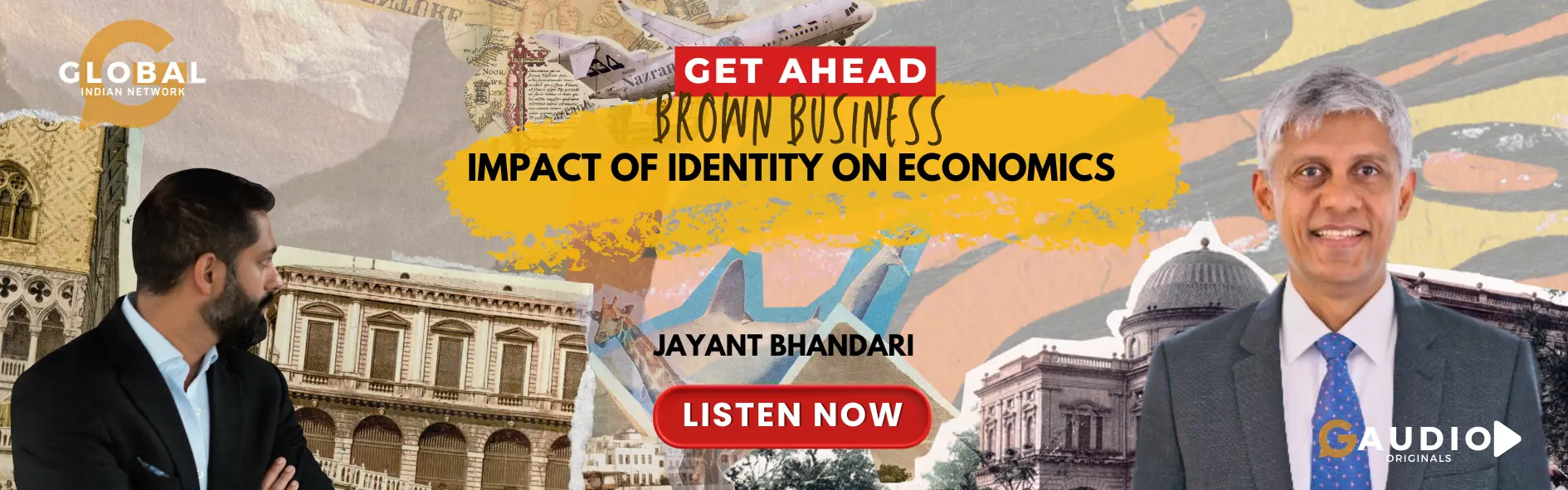
The economic history of Zambia is inextricably linked to the presence and perseverance of the Zambian Indian community. For over a century, this demographic has transitioned from small-scale retail traders into the architects of some of the nation’s largest manufacturing, pharmaceutical, and agro-processing empires. Yet, as the calendar marches toward the pivotal August 2026 general elections, the investment climate is characterised by a dense fog of uncertainty. For the Zambian Indian investor, the current landscape is a paradox of immense untapped potential and a series of systemic, political, and social hurdles that threaten to stall the momentum of domestic capital.
A primary concern for any established business community during an election year is the potential for policy volatility. While the current administration has been praised for its commitment to fiscal discipline, the lead-up to 2026 brings an inevitable shift toward populist rhetoric. As economic expert Yusuf Dodia noted when discussing the outlook for 2026, the success of national economic policies will depend entirely on“consistent and disciplined implementation across sectors” rather than short-term political gains. Investors worry that the government may feel pressured to pivot away from austerity, a move that could undermine hard-won stability.
The macroeconomic climate is still a persistent adversary, with currency volatility standing out as the single most impactful variable. Because the Zambian Indian community is heavily involved in the manufacturing of essential goods, they are acutely sensitive to the value of the Kwacha. Highlighting the gravity of the situation, PresidentHakainde Hichilema stays defiant against populist criticism, insisting that his “rigorous restructuring of debt and mining has pulled Zambia back from the brink of collapse” and will secure a second term. This unpredictability discourages long-term industrialisation, as investors become reluctant to commit capital that may see its value eroded overnight.
Compounding these financial pressures is the ongoing energy crisis, which has become a literal “dark cloud” over the industrial sector. Zambia’s heavy reliance on hydropower has left it vulnerable to climate-induced droughts, resulting in daily power outages. President Hichilema has addressed these challenges directly, acknowledging that “load-shedding has inconvenienced us, and citizens have a right to complain,” while directing constituencies to invest in alternative energy. For an Indian-owned factory, these outages cause heavy spending on diesel generators, diverting funds that could have been used for expansion.
There is also the nuanced challenge of navigating a shifting regulatory environment that increasingly emphasizes local content. TheGeological and Minerals Development Act 2025 mandates that mining rights-holders allocate at least 20% of their procurement budgets to local companies starting in 2026. While many members of the Zambian Indian community are citizens, they often find themselves in a position where they must continuously assert their “local” status. Ashu Sagar, President of the Zambia Association of Manufacturers, celebrated these regulations as a “landmark achievement” that will unlock opportunities for local businesses and stimulate domestic investment.
In conclusion, the path toward the 2026 general election stands as a definitive litmus test for the enduring partnership between the Zambian state and the Zambian Indian business community. This community is not merely a collection of investors; it is a demographic that has tethered its ancestral legacy and future prosperity to the soil of Zambian Republic.

However, for this relationship to yield the industrial expansion Zambia so desperately needs, the government must move beyond the rhetoric of investment promotion and address the granular, day-to-day frictions that make doing business a trial of endurance. The challenges, ranging from the crippling unpredictability of the Kwacha to the existential threat posed by a fragile national power grid, require more than just temporary relief; they need a fundamental shift in how the state protects and incentivises domestic capital. If the political atmosphere leading up to 2026 becomes saturated with nationalist sentiment or the scapegoating of non-indigenous business owners for structural economic woes, the nation risks alienating its most loyal economic engine.
The investment climate of the next two years will be dictated by whether the Zambian Indian entrepreneur feels like a protected partner or a convenient target of opportunity. Stability is the only currency that truly matters in this context. As sector leaders have often argued, the community is not seeking exemptions from the law, but rather a stable environment where long-term planning is possible. For Zambia to transcend its status and become a regional manufacturing hub, it must offer a guarantee that the “Zambia First” agenda includes all its citizens, regardless of their heritage.
The 2026 elections should therefore be viewed not as a period of inevitable disruption, but as an opportunity for the government to demonstrate its commitment to a mature, inclusive, and transparent economic landscape. Ultimately, the resilience of the Zambian Indian community is a testament to their faith in the country’s potential; it is now up to the state to ensure that this faith is rewarded with a stable, equitable, and flourishing environment where capital can truly take root and grow for generations to come.
About Shingirai Mupfupi:
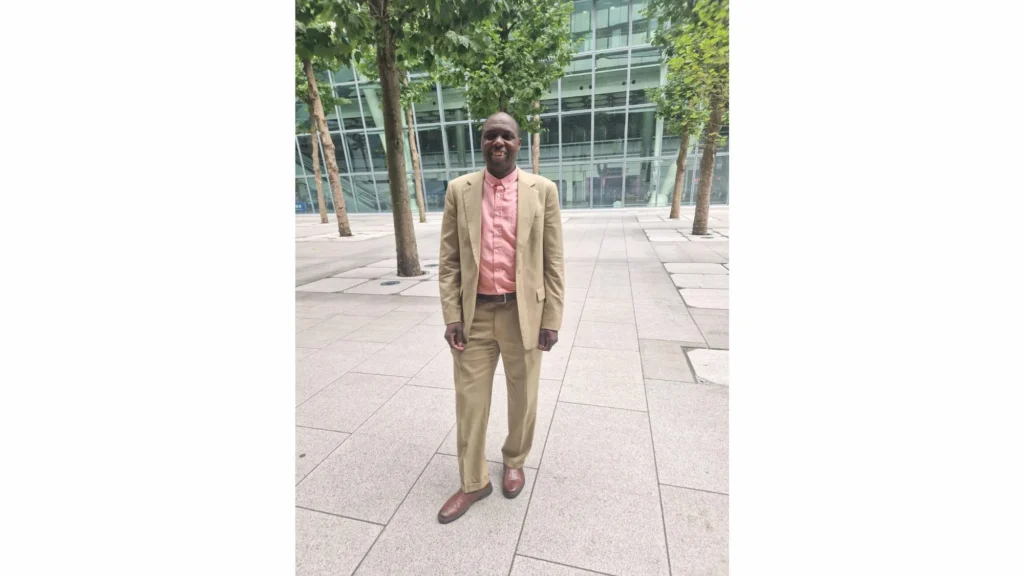
Shingirai Mupfupi is a multimedia journalist committed to advancing democratic values and amplifying voices that shape society. With over three years of experience in journalism, he has built a diverse reporting portfolio spanning investigative journalism, international affairs, and sports coverage.
Skilled in interviewing, fact-checking, and delivering accurate reporting under tight deadlines, Shingirai brings both discipline and curiosity to his work. Known for his strong news instinct and ethical approach to storytelling, he is passionate about community-focused journalism and dedicated to producing reporting that informs, engages, and holds power to account.
We welcome your thoughts! If you have burning thoughts or opinions to express, please feel free to reach out to us at larra@globalindiannetwork.com.