



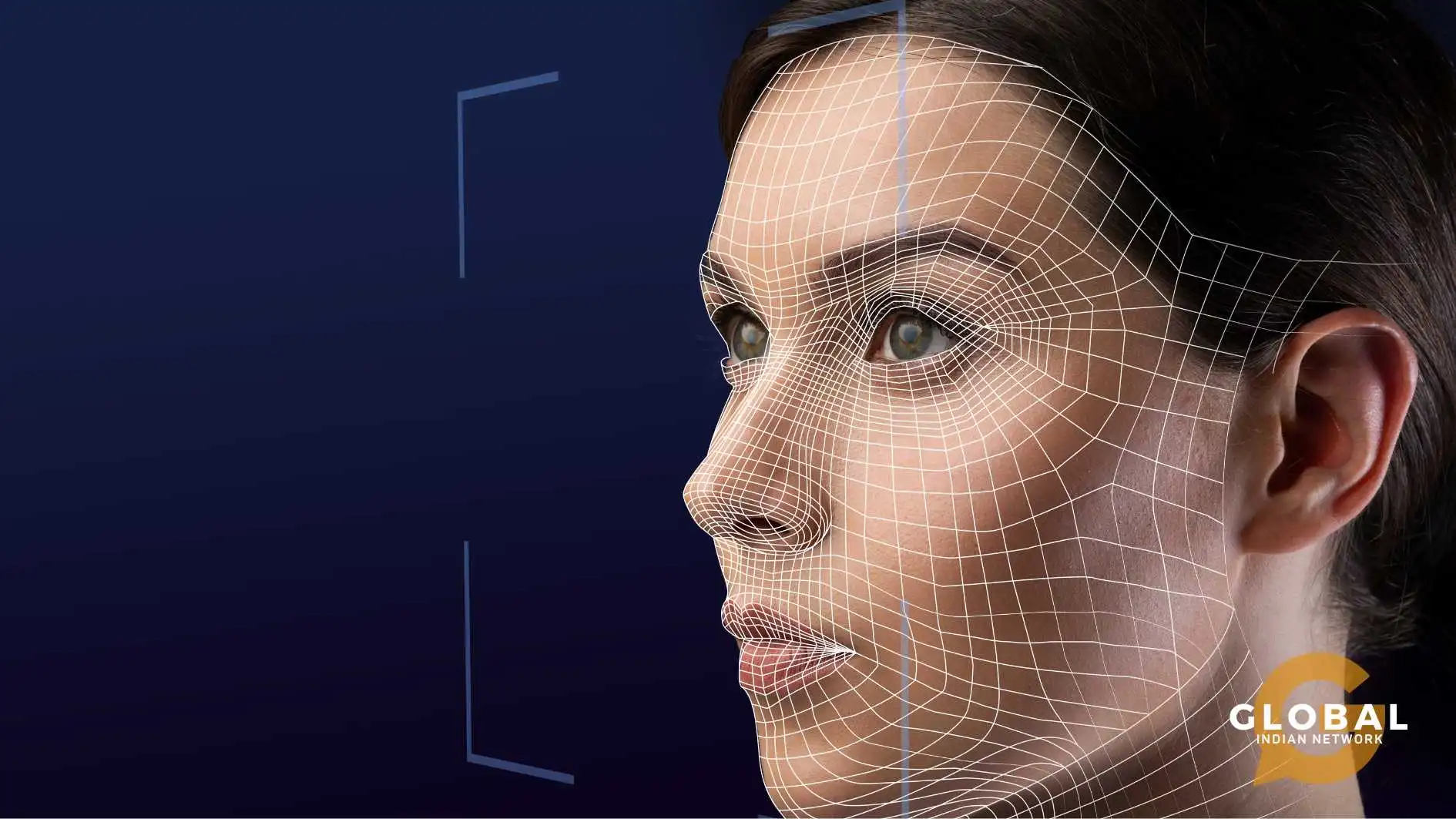

About a decade ago, deepfakes entered the internet as curiosity-driven, awkward face-swaps circulating on obscure forums. Impressive during the budding social media age, they were still easy to spot. Fast forward to today, they are easily accessible, borderline mainstream and alarmingly convincing. What began as experimental machine learning has matured into widely available generative AI tools capable of cloning voices and producing photorealistic videos in mere minutes at the request of a simple prompt. Though the barrier to entry has collapsed, the consequences have not grown in inverse proportion.
The transformation has created a cultural shift. In the early years of social media, video functioned as the ultimate proof. “There’s footage” was synonymous with truth. Now, in the AI era, that certainty is all but dissolved due to deepfake fatigue. The normalization of synthetic media is quietly reshaping how we interpret evidence, evaluate credibility, and experience digital life itself.
Table of Contents
Seeing is Not Believing
Our trust in the internet was built on the assumption that images and videos carry evidentiary weight. Though what we might see may be doctored, it more often than not is real. From viral protests to police brutality recordings to citizen journalism during wars, visual documentation reshaped public discourse. But deepfake technology has destabilized this foundation.
If any speech can be fabricated and any face convincingly animated, the epistemic authority of visual media weakens. The doubt that now permeates our view of media creates a problem. The problem is not simply that false content can spread, but rather that genuine content can now be dismissed as fake. This creates what scholars describe as the “liar’s dividend”: individuals caught in authentic scandals can claim manipulation, exploiting public uncertainty. In this landscape, truth does not disappear; it becomes contestable.

Deepfake Fatigue: The Psychological Toll
Beyond political manipulation lies a quieter consequence: fatigue. Constant exposure to misinformation, manipulated media, and debates over authenticity produces cognitive overload. Even when something is seemingly inconsequential, like a bunch of rabbits on a trampoline. When every image must be scrutinized and every viral clip questioned, the mental cost of engagement (particularly with short-form content) rises.
Over time, this vigilance can mutate into apathy. If nothing can be reliably authenticated, individuals may disengage altogether. This phenomenon of deepfake fatigue mirrors broader trends in misinformation research: when trust collapses, people do not always become more discerning; they sometimes become indifferent. A great example of this is the distrust most people have of their governments, yet they still maintain political affiliations.
This indifference is dangerous. Democracies rely on shared facts, but fatigue undermines the motivation to seek them. In a perpetual-doubtful environment, emotional narratives can override evidence. Truth becomes secondary to resonance.
The Gendered and Social Consequences of Deepfakes
While deepfakes threaten political systems, their most immediate harm is often personal and disproportionately gendered. The majority of non-consensual deepfake pornography targets women, frequently without their knowledge or ability to meaningfully respond. Public figures, journalists, activists, and private individuals alike can find their likeness digitally weaponized. Grok AI has recently been at the forefront of such criticism, yet little to no guardrails have been put in place.
This weaponization extends beyond sexual exploitation. Marginalized communities, particularly women, LGBTQ+ individuals, and political dissidents, face heightened vulnerability in digital spaces already marked by harassment. Deepfakes amplify this risk by lowering the cost of reputational sabotage.
The harm is also psychological. Victims must navigate a world where their own image can be detached from their agency to recreate pornography. In this sense, deepfakes distort reality, appropriate identity, and violate privacy.
Conclusion: Can Authenticity Be Rebuilt?
If deepfake fatigue signals a collapse of online authenticity, the pressing question becomes whether authenticity can be reconstructed. Technological solutions such as watermarking systems, cryptographic verification, and AI detection tools offer partial remedies. Yet authenticity is not solely a technical issue; it is cultural and institutional.
Rebuilding trust may require a shift toward slower, more accountable media ecosystems. Digital literacy must evolve beyond identifying obvious misinformation to understanding synthetic media at a structural level. Platforms must move from reactive moderation to proactive governance.
The AI era does not guarantee the permanent erosion of truth. But without deliberate intervention, technological, regulatory, and social, we risk normalizing permanent doubt. In a world where everything can be fabricated, authenticity becomes not an assumption, but a collective responsibility.