



Identity politics in India is a complicated and changing issue that deeply affects the country’s social unity and the experiences of the global Indian community worldwide. Originating from the historical backgrounds of caste, religion, language, and ethnicity, identity politics in India drives political movements, impacts social justice policies, and questions national unity.
Table of Contents
The Rise Of Identity Politics In India
Indian identity politics can be traced back to the colonial period and Partition, where the strategies of divide and rule imposed by the British institutionalized the communal differences. The mobilization of religion, caste, and language became integral to the policy-making process and the electoral process as India transitioned into a modern democracy. The adoption of policies such as affirmative action, as well as the reorganization of states along linguistic lines, further cemented identity politics in India by introducing new groups into the political fray, in addition to defining vote bank politics.
Identity Politics in India: Caste, Religion, and Language
The idea of caste still plays a central role in identity politics in India, with lower castes being mobilized by parties like the Bahujan Samaj Party and Samajwadi Party to empower themselves in politics. Although the recommendations of the Mandal Commission were meant to overcome the historic injustices of the reservation policy, such protection has sometimes increased the caste-based rifts and caused competitive mobilization. The influence of religious identity politics in India is no less powerful than the competition between Hindu and Muslim groups; religious nationalism and polarization of the political and legal life, with the help of faith-based considerations, are commonplace in the electoral and even legal life.
The Impact on Social Cohesion
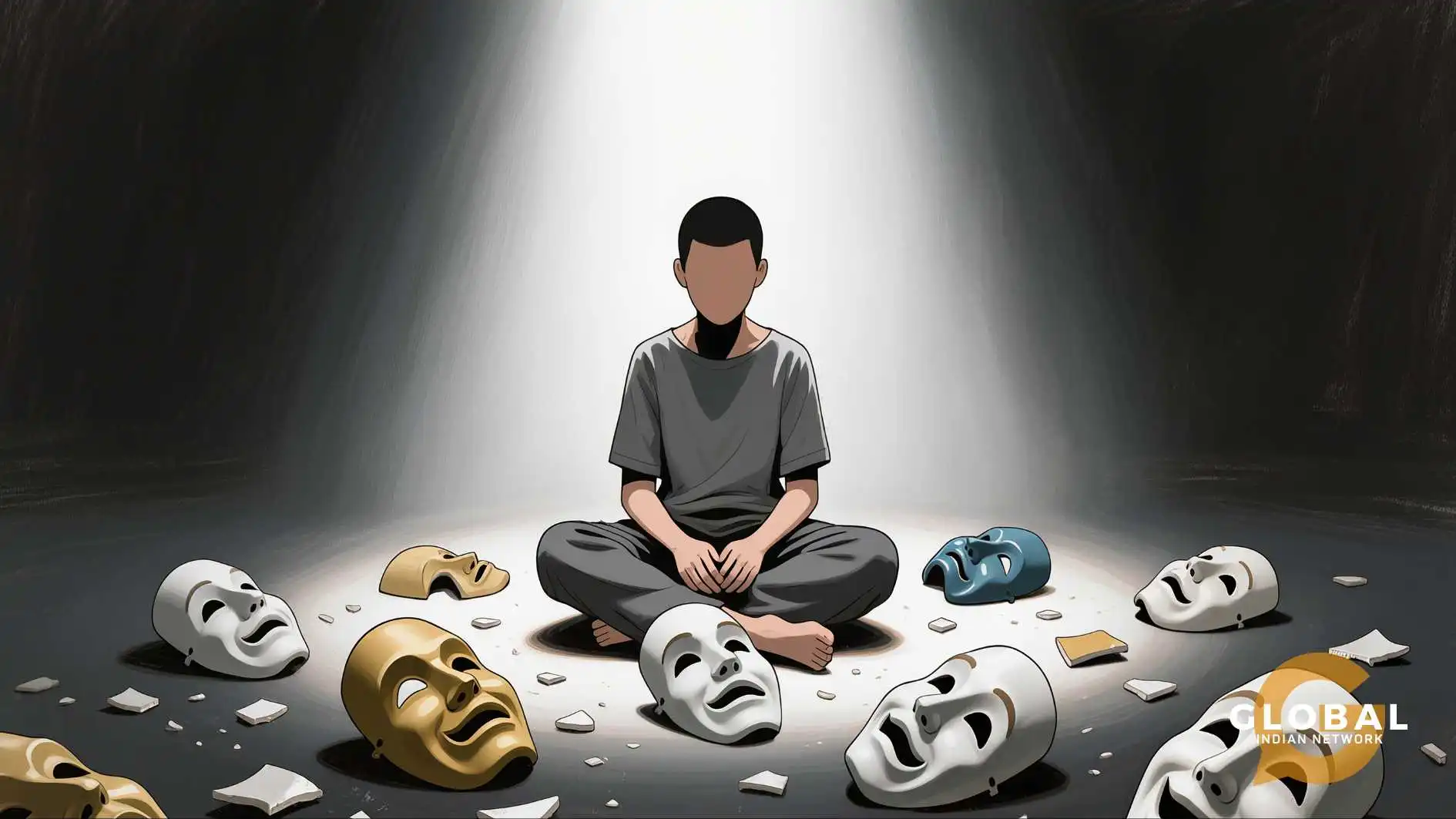
In India, identity politics has effects that are both democratizing and fragmenting. On the one hand, it gives the marginalized communities the power when they have a chance to be represented in politics, given attention, and are empowered to claim economic and social justice. Conversely, overemphasis on group-based identity may lead to polarization, the propagation of stereotypes, and the danger of undermining social cohesion, even leading to violence, riots, and social unrest. Frequently, the presence of various identities, including caste, religion, language, and ethnicity, hinders the formation of a national identity and makes coalition governments the rule.
Economic And Political Consequences
The impact of identity politics in India is not restricted to the social frameworks; it often spans into the economic policies, business environment, and even foreign policies. Identity politics in India have created social and political instability that may limit the investment potential, merit-based distribution of resources, and disrupt development; hence, inclusivity and stability are vital to national development and economic competitiveness of economies around the globe. The identity politics at the polity level results in the creation of the dominant regional parties, coalition governments, and strategic alliances based on identity bargaining as opposed to ideological coherence in India.
Identity Politics in India and the Global Indian Experience
Identity politics in India are close to the global Indian or Brown community. The questions of caste, religious polarization, and language politics resonate with the Indian diaspora and affect individual and community identity, integration, and discrimination in a foreign country. The Diasporic communities of Indians tend to determine their own identity politics as they seek to gain self-determination and representation in nations where ethnicity and cultural heritage are markers of belonging to the community. Through the current controversies and developments in identity politics in India, the discourses of diaspora grasp the realities of racism, inclusion, minority rights, and social mobility.
Why It Matters: The Global Perspective
The world’s Indian population must understand the dynamics of identity politics in India. The consequences of policies, cultural conflicts, and social movements in India may be experienced internationally, and this affects the lived experiences of millions of people of Indian or Brown descent in the multicultural societies of the world. Whether in policy discussions, community movements, or in individual stories, the Indian community around the globe has to face the impacts and opportunities that identity politics in India has.
Responding To Identity Politics: A Way Forward
This is the issue that India must face and that the Indian communities in the rest of the world will face: how to strike the right balance between group and social cohesion. The measures that are of great significance include building common values of secularism, democracy, and justice; encouraging cross-group dialogue; and designing policies that cut across parochial identities. To the diaspora, the relationship with the motherland is essential, and the encouragement of inclusive perceptions can alleviate the separativeness that Indian identity politics can foster.
Conclusion
In conclusion, identity politics in India is not only a source of empowerment but also a divisive issue. With its visibility growing, global Indians need to remain attentive to its effects to transform discourses to be more inclusive, harmonious, and respectful of one another.
The actual life experiences of the global Indian and Brown community are becoming more and more influenced by the controversies of identity politics in India, and thus, it is a topic that should be engaged in continuously by all who want to promote social unity and justice, not only in India but globally.
FAQs
How does identity politics affect the Indian diaspora globally?
The Indian diaspora often reflects caste, religious, and ethnic identity politics. These factors shape their community dynamics, representation, and experiences of inclusion or discrimination in other countries.
What are the economic consequences of Indian identity politics?
Identity politics can cause political instability and affect economic growth. This happens by influencing policy-making and investment climates, particularly when group interests take precedence over national priorities.
How can identity politics in India evolve to reduce social fragmentation?
By encouraging conversation among groups, supporting common civic values, and creating inclusive policies that go beyond narrow identity-based interests, identity politics can develop in a positive way.