


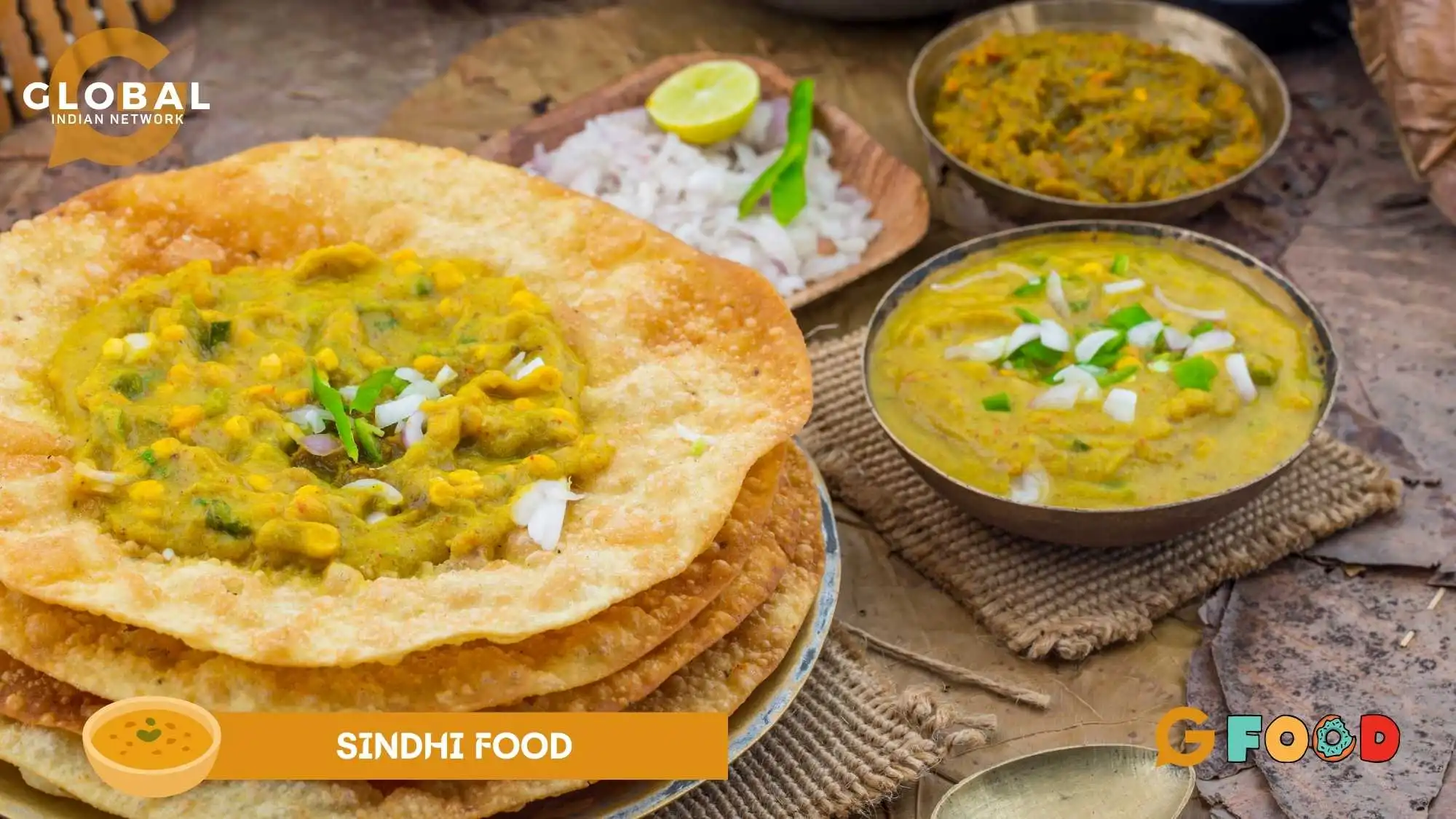

Sindhi food is more than a set of recipes. It reflects a mix of memories, migration, and strength that form a unique heritage within the global Indian community. As family traditions cross borders and years, Sindhi food keeps the taste of home alive for millions who were displaced by partition. Dishes like koki, dal pakwan, and son vado show how people can maintain their identity. This cuisine has been influenced by loss but is also filled with celebration.
Table of Contents
Sindhi Food: The Taste of Memory
Entering any Sindhi home, it is at once noticeable how much Sindhi food has affected it. To migrants and their descendants, preparing classic Sindhi cuisine such as koki or seyal is not only a matter of taste, it is also about preserving their past and culture. The partition displaced almost 1.2 million Hindu Sindhis out of their ancestral homes in Sindh, with only memories and recipes. Every single bite of any dal pakwan or son vado is a time travel, a means of preserving traditions despite the way the world has evolved.
Evolving Flavours in Diaspora
Sindhi food became a living record of the people who had to start a new life in foreign lands as a result of migration. Cooking recipes naturally evolved and transformed, embracing local food and local preferences. Soi bhaji, a hearty, nutritional stew of spinach and vegetables, once considered a classic of Sindhi food, has started to use new vegetables in Mumbai and even London markets. This has been a longstanding appeal that is part and parcel of its longevity and accessibility, as well as relevance to Sindhi families all over the world.

Koki: Fueling Resilience
One of the ingredients of Sindhi cuisine, koki, a crispy flatbread, is an indication of the resourcefulness and the heart of this society. Koki is traditionally prepared using wheat flour, onions, and simple spices in order to last several days without needing to be put in the refrigerator, and it was aimed at an audience of migrants who could not always afford one meal a day. Today, koki is still used as a sign of home and survival at the breakfast tables and train stations, joining the Sindhis to the roots, no matter where they go.
Dal Pakwan: A Bridge Across Borders
Dal pakwan is one of the most popular items on the Sindhi cuisine list since it is as festive as it is fundamental. Crisp fried pakwan in spiced chana dal and spicy chutneys- dal pakwan is an occasion in itself, usually served on special occasions or on community occasions. This cultural breakfast demonstrates how Sindhi cuisine connects people to the table, bringing all people together, despite their origins and geographical location.
Son Vado and the Sweetness of Celebration
Such desserts as son vado, a brittle-based treat consisting of sugar, dried fruits, and nuts also used to celebrate happy events in the Sindhi diaspora. To most of the older Sindhis, the son vado is not just a sweet, it is nostalgia and home rolled in a single ball. The quest for finding true son vado even now causes the global Indians to flock to the ancestral bakery and childhood recollection, illustrating how the Sindhi cuisine is still at the center of identity and festivity.
Seyal: Adaptation in a Pot
Seyal is a diverse Sindhi food; it is an unsophisticated food, but ingeniously prepared with leftovers, potatoes, and simple spices. It is a sign of the creativity and zero-waste cooking stimulated by Sindhi food, which is highly applicable to the global Indian who is environmentally conscious. To migrant families, Seyal reminds them of the necessity of making do, to ensure that scarcity turns to comfort, and to cherish tradition despite struggling times.
Why Sindhi Food Matters to the Global Indian Community
Sindhi cuisine is an essential part of the whole Indian and Brown identity across the world. Preserving recipes and cuisine, Sindhi migrants and their cuisine enrich the world’s Indian cuisine, fill the menu of restaurants, the festivals, and the kitchens of families. The persistence and evolution of Sindhi cuisine are collective wins of all Indians who were displaced and scattered, and it is a reminder of how cuisine can be used to keep communities that were deprived of their native land together.
Sindhi food unites all people, on each continent, be it a koki taken on the road or a dal pakwan eaten by neighbors of different colors. The cuisine is a key component in the globalization of the Indian culture because of the strength and adaptation that is exhibited in the diaspora kitchens.
Preserving Sindhi Food for Future Generations
With the passage of time, younger generations are now left with the task of preserving Sindhi food because of the fading memories of Partition. There are Sindhi chefs, home cooks, and bloggers worldwide who document traditional recipes, share stories, and organize community cookouts. Every time a young Sindhia is taught to cook koki or seyal by a grandparent, he or she adds to a continuing migration narrative a kind of resistance to oblivion.
Conclusion
Sindhi food, more than just a menu, shows a community’s strength, adaptability, and hope. In kitchens across the global Indian diaspora, its recipes remind us of our identity and origins. In a changing world, Sindhi food provides comfort and a taste of home.
For the global Indian community, embracing and celebrating Sindhi food means protecting our legacy. As each new generation discovers the flavors of koki, dal pakwan, and son vado, they continue a heritage that goes beyond borders, enriching both Indian and global culinary traditions.
FAQs
How did migration and partition affect the recipes?
The migration during partition led people to adapt their food using available local ingredients, sometimes altering original flavors but preserving core techniques and identity.
Are there any notable vegetarian specialties?
Yes, while many dishes contain meat or fish, there is a strong tradition of vegetarian cooking like sai bhaji, Sindhi kadhi, seyal, and bheeh bhajji (lotus root dishes).
Why is it important to preserve these culinary traditions?
Preserving this cuisine honors migrant heritage, strengthens global identity, and ensures younger generations remain connected to their rich cultural past.