



During his arrest and detainment, O.J. Simpson, perhaps apocryphally is believed to have said “I’m not black I’m O.J.!”, O.J. Simpson being a successful and wealthy athlete is believed to have meant (if indeed he said the infamous line) that his wealth and social capital insulate him from the experiences of being an African American man in twentieth century America or more succinctly, that it afforded him a proximity and adjacency to whiteness that divorces him from typical black experiences.
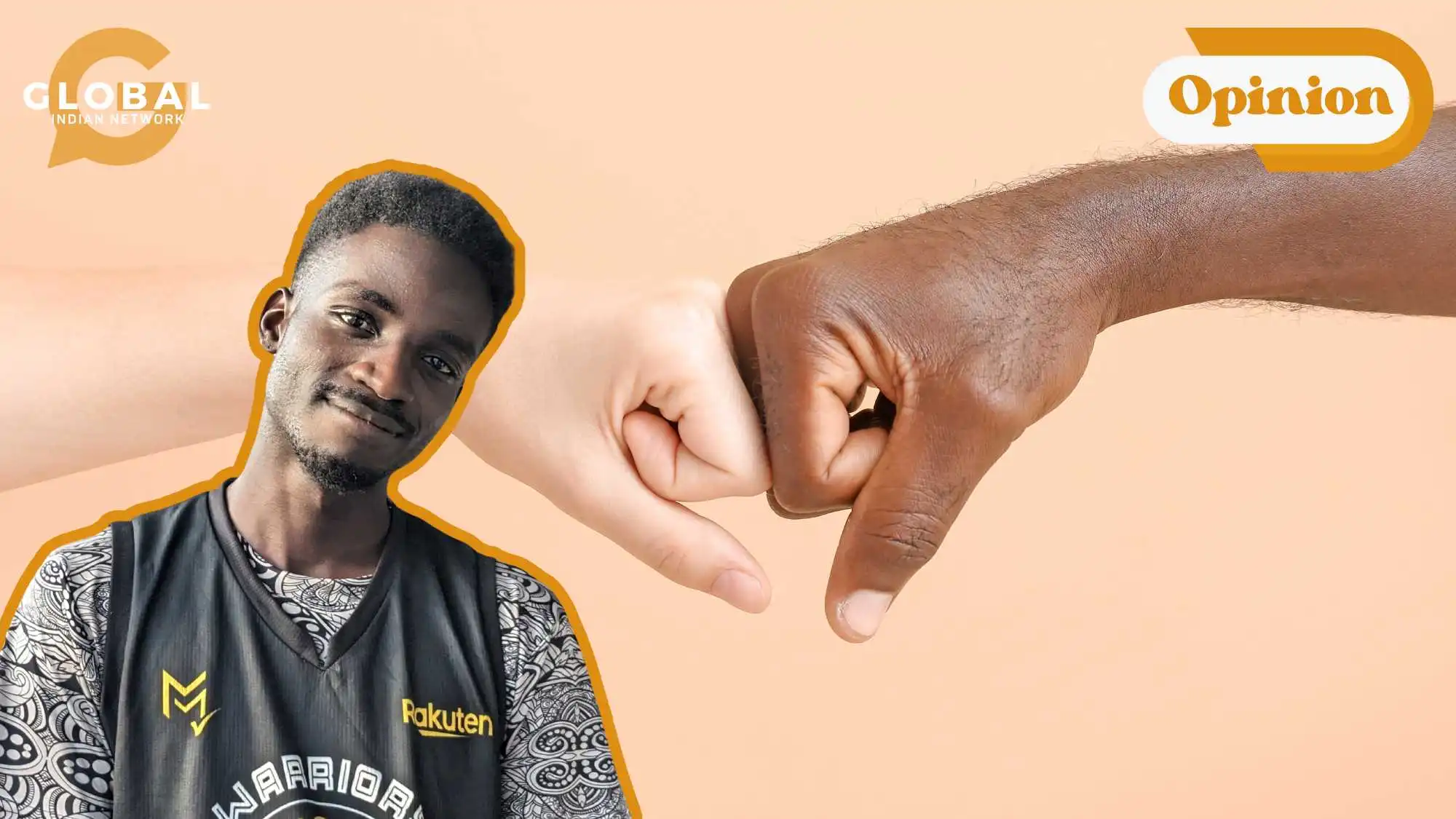
Proximity to whiteness can therefore be defined as the economic and, subsequently, social and cultural access attained by racial minorities that they have historically been excluded from. However, not all minorities have access to this proximity; as we will see later, it comes with terms and conditions. Additionally, though the phrase proximity to whiteness was coined in the context of the United States, the reality is (as is so often the case with socio-cultural phenomena) that parallels can be drawn with other parts of the world with diverse ethnic and racial make-ups.
One of the Good Ones
The cultural phenomenon that is racism is one that has been experienced by most, if not all, racial and ethnic minorities. However, the oppression that comes from it is not one that is consistent amongst all racial and ethnic categories; additionally, members of the same racial, ethnic (or any other such socio-cultural marker) can be treated very differently depending on their socio-economic standing. This has led to some people being designated “one of the good ones.” This designation is founded in racial stereotyping as it implies that “the good ones” are the exception.
This designation, however, is afforded only to those who act and behave in ways that mirror the ruling class and/or caste, i.e., white/upper-caste-adjacent. As such, “the good ones” view this as an invitation to a seat at the table and exemption from racial, ethnic and caste segregation. As they seek to align with the majority or ruling demographic, oftentimes, they inadvertently or at times intentionally try to disassociate themselves from their minority-identity.
During Trump’s 2024 re-election campaign, he garnered a significant share of the Latino vote. In hindsight, it seems unreasonable given the very racist nature of ICE’s deployment; however, this has been a phenomenon that has long existed, most notably in immigration. As people begin to proximate themselves to whitehood, be it for whatever reason and in whatever manner, they begin to identify with the same necessities. Studies have consistently shown that socioeconomic factors take precedence over cultural identity. Additionally, people’s negative experiences within their communities often lead them to distance themselves from those communities. Hence, Latinos for Trump.
I’m Not Black, I’m O.J…Okay
One of the biggest faults of online discourse is, ironically, the loss of discourse. Most convoluted and complicated topics become miniaturized to byte-sized talking points. As stated before, one of the reasons people seek proximity to whitehood can be negative experiences within their own race. Many people immigrate to the Western world because the conservative, repressive nature of their governments, traditions or both can sometimes make free existence difficult. It stands to reason why such a person would want to associate themselves with a more liberal place or frame of thought. However, most people who find themselves pushed into or in desire of white spaces because of negative experiences forget that whiteness is inherently a racist structure.
In June 2017, American rapper Jay-Z released the track “The Story of O.J.”, which features the infamous line “I’m not Black, I’m O.J.” with an added incredulous, sarcastic “okay” to complete the bar. What the line does, with the sarcasm, is point out that O.J., in this case, many of whom believe themselves divorced from the stereotypes of their race, that they’re in fact still black, and this can be extended to any minority, irrespective of location.
If you were to type into Google “Trump supporter deported,” your query would be met with a plethora of articles all featuring unique cases of mostly Latinx people who voted for a stricter immigration policy being met with a racist one and now facing deportation.
Let us know your thoughts. If you have burning thoughts or opinions to express, please feel free to reach out to us at larra@globalindiannetwork.com.