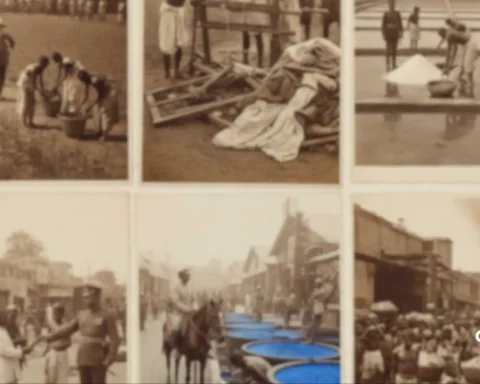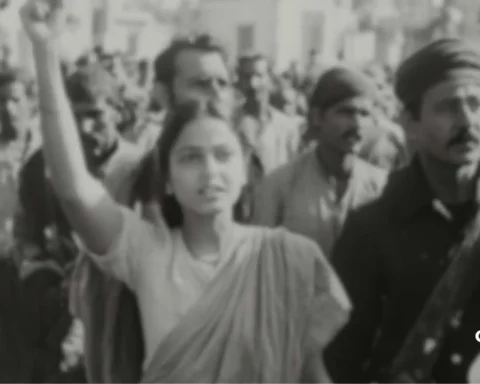




The causes and effects of the Partition of India in 1947 greatly changed South Asia, creating India and Pakistan through immense violence and displacement. For Indians living in London, Toronto, Dubai, and elsewhere, the Partition’s causes and effects influence family stories, identity issues, and connections across borders today. This history is important to the Brown community because it shapes diaspora efforts for unity in the face of division.
Table of Contents
Colonial Roots and Rising Tensions
British colonial policies planted the early seeds of the causes and effects of the Partition of India through divide-and-rule tactics, such as separate electorates in the 1909 Morley-Minto Reforms. These actions created religious divisions and turned census categories into political tools, deepening Hindu-Muslim mistrust over many years.
The 1937 provincial elections brought Congress victories that pushed the Muslim League to the sidelines. This triggered fears of Hindu dominance in a post-colonial democracy. In response, Muhammad Ali Jinnah introduced the Two-Nation Theory, arguing that Muslims needed a separate homeland. This marked a key ideological change in the causes and effects of the Partition of India.
World War II put more pressure on British control. The 1942 Quit India Movement and wartime alliances highlighted the weaknesses of the empire. Provincial governments fell apart during communal riots, such as the 1946 Calcutta Killings. This made partition seem unavoidable to leaders from all sides. For Indian descendants around the world, these tensions resonate in discussions about multiculturalism and minority rights in their new countries.
Hurried Decisions and Radcliffe Line Chaos
The immediate causes and consequences of the Partition of India were manifested by post-war Labour Britain in its hurry, making the Mountbatten Plan to support the development of independence by August 1947 instead of June 1948. With only five weeks, Cyril Radcliffe blindly drew the Radcliffe Line dividing Punjab and Bengal without involving the locals and demographic information.
Princely states such as those of Kashmir, Hyderabad, and Junagadh were forced to accept accession options, and this sparked controversy that continues to date. Borders declared on August 17, following independence, led to panic migrations, with families running across unfinished lines. Diaspora Indians tend to find ancestral villages, which are located on the wrong side, making it hard to claim heritage tourism and property rights.
Administrative gaps divided the police and armies against each other, and they could not contain riots, further accelerating the bewildered implementation of the reasons and consequences of the Partition of India.
Communal Violence and Mass Migration Trauma
The human tragedy reached its peak with 1-2 million dead and 12- 20 million displaced in the largest migration in history, at the heart of the causes and consequences of the Partition of India. Sikh, Hindu, and Muslim mobs burned villages in Punjab; vengeance killings were witnessed across the divides in Bengal.
Trains were associated with horror: corpses in compartments, being attacked on the way, and women turned to mass abduction, rapes, and forced marriages. Later, 30,000+ women were recovered by governments, but the trauma remained and was suppressed by familial shame.
The refugee camps in Delhi, Lahore, and Calcutta swelled, and new urban poor were born as the elites changed power. The oral histories are brought worldwide by Global Indians, building support for contemporary refugees of Syria to Ukraine in the Brown community organizing.
Economic Disruptions and State Building Challenges
The partition cut off economic lifelines. Pakistan got jute fields but without mills; India lost major ports and irrigation canals. The asset departments were dragged into the 1950s, and the rehabilitation of refugees cost billions of dollars and transformed the demographics of Delhi (5 to 33% Muslim) and Karachi.
Wars over Kashmir (1948), waters (Indus Treaty 1960), and territory (1965, 1971) stemmed directly from these causes and effects of the Partition of India, culminating in Bangladesh’s birth. This rivalry forms the basis of the nuclear arsenals that exist today and is influencing South Asian security across the globe.
In their Partition, migrants, such as Ugandan Asians in the UK, Gujaratis in East Africa, Diaspora economies flourished on loss being transformed into global enterprise networks.
Long-Term Legacy on Identity and Diaspora
The homogenization of religion made Punjab originally mixed and close to monocultural and instilled distrust in the state policies and textbooks. The politics of Indo-Pak affect Indian perceptions of the game as diplomatic in the world, visa issues, and lobbying in Washington or Canberra.
The result of partition created a strong diaspora “empire,” where refugees were the first in Britain, Canada, and Gulf remittances now keep both countries going. Inherited trauma is observed in health research that examines the relationship between PTSD generationally, which calls for mental health attention in Brown communities.
It is through cultural revivals such as the 1947 Partition Archive and films that the memories are preserved, and young people can navigate their way through the hybrid identities. South Asian networks teach how to build a coalition against racism.
Causes and Effects of the Partition of India
Structurally, the causes and effects of the Partition of India combined colonial legacies, Jinnah’s demands, Congress’s stubbornness, and the panic surrounding the British exit. Communal mobilization through riots and propaganda transformed elite agreements into widespread unrest.
Lasting effects include militarized borders, three separate nations, and a diaspora spread across continents. For Indians worldwide, the causes and effects of the Partition of India require reconciling divided heritages while promoting peace.
Global Indian Community and the Inherited Impact of Partition
Across London, New York, Nairobi, Kuala Lumpur, and Melbourne, the global Indian community continues to live with the aftershocks of Partition in ways both spoken and unspoken. Family archives hold blurred photographs, fading land deeds, and stories of trains that never arrived. These memories shape diaspora identity, influencing how global Indians approach citizenship debates, interfaith friendships, and South Asian solidarity abroad. The causes and effects of the partition of India echo in community temples, gurdwaras, mosques, and cultural festivals where divisions are quietly challenged. For many, rebuilding connection becomes an act of repairing a history that once tore them apart.
Conclusion
The causes and effects of the Partition of India pulse in diaspora lives, from partition museums in Toronto to iftar-dinner bridges in Leicester. The global Indians have to extract wisdom out of this pain by nurturing Indo-Pak dialogues and non-discriminatory policies.
Understanding these causes and effects of the Partition of India equips Brown communities to dismantle inherited walls, building solidarity in diverse worlds. This legacy demands pro-unity and not reactive division.
FAQs
What were the primary causes and effects of the Partition of India?
The causes and effects of the Partition of India come from British divide-and-rule policies, the Two-Nation Theory, communal riots, and rushed independence in 1947. This led to 1-2 million deaths and 15 million people being displaced. It also created a lasting rivalry between India and Pakistan. For Indians living abroad, these causes and effects of the Partition split families across borders and shaped the resilience of the diaspora.
Why did Britain rush the causes and effects of the Partition of India in 1947?
Post-WWII exhaustion led the Labour government to move independence from 1948 to August 1947 through the Mountbatten Plan. This left Cyril Radcliffe only five weeks to set the borders. The rush created chaos, as new lines divided villages and caused panic migrations. Communities in the diaspora still deal with these random divisions when it comes to heritage claims.
What economic impacts stemmed from the causes and effects of the Partition of India?
The partition divided assets unevenly. Pakistan received jute fields but lacked mills, while India lost ports. This situation led to refugee crises and slow growth in both countries. The long-term causes and effects of the Partition of India include wars over Kashmir and water, as well as a rise in diaspora from displaced traders in the UK and East Africa.