


Over the past two decades, I have travelled to more than seventy countries, sitting in rooms with people whose lives, faiths and histories are very different from my own.
What has always struck me is that societies reveal themselves not when people agree, but when they disagree.
In some places, disagreement is dangerous. People lower their voices. They glance over their shoulders before speaking. The boundaries of speech are understood but never written down.
Britain has traditionally been different.
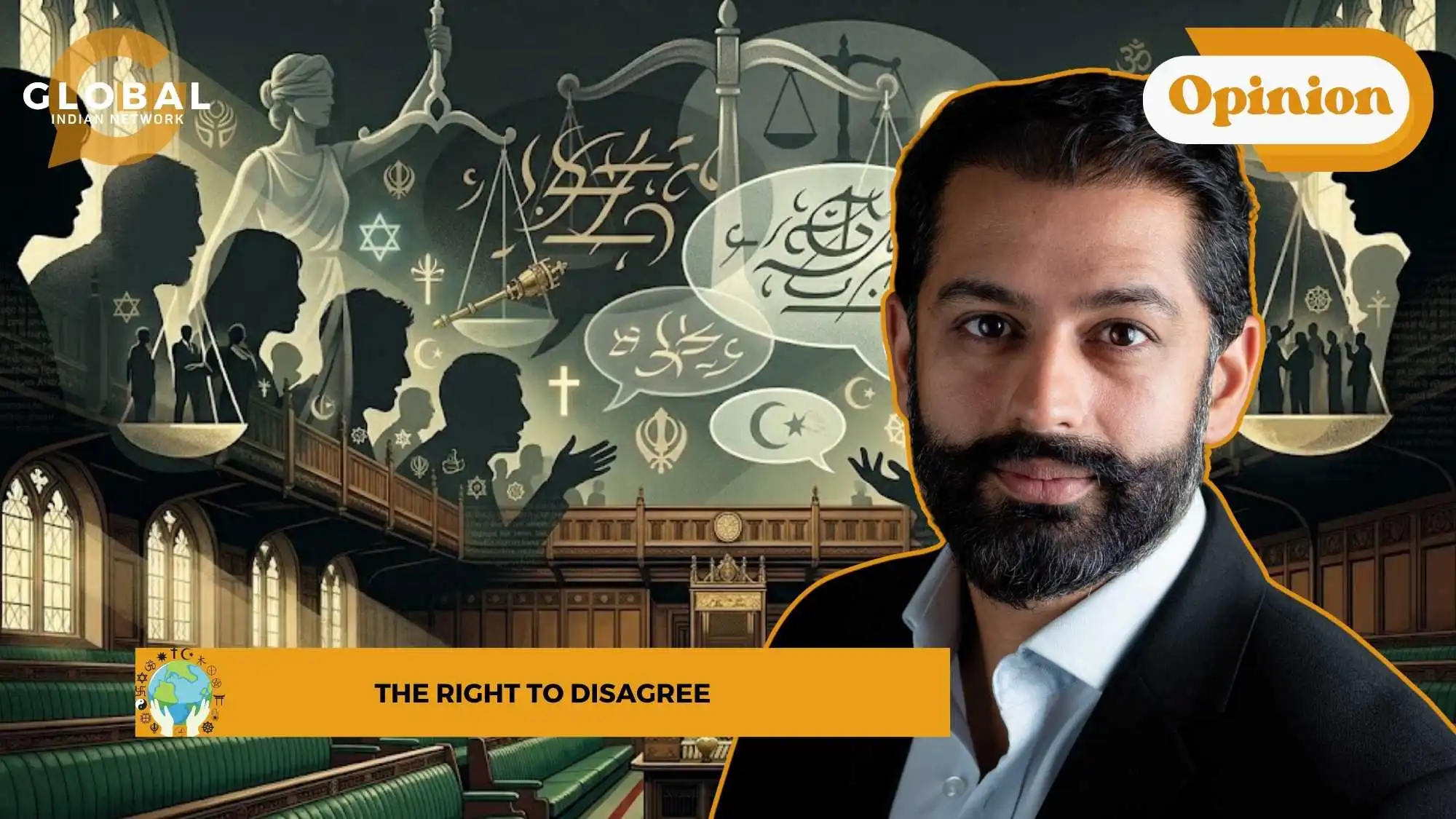
Here, disagreement has long been part of the national culture. The country has built its identity not on unanimity, but on argument, sometimes messy, sometimes uncomfortable, but always open.
That tradition of open conversation is one of the quiet pillars of British democracy. And it is precisely why the current debate surrounding the government’s new definition of “anti-Muslim hostility” deserves careful reflection.
At first glance, many people will understandably see the policy as an attempt to address prejudice. Hatred directed at any community must be taken seriously, and protecting people from discrimination is an important responsibility of any government.
But when one steps back and looks at the legal architecture of what is being proposed, a deeper question emerges.
Why should the state create a government-backed definition protecting one faith community while leaving others without the same recognition?
If the logic is that defining hostility makes it easier to confront, then surely that principle should apply equally to everyone: Christians, Hindus, Sikhs, Jews, Buddhists, atheists, and those who have left religion altogether.
Britain is not a society built around one belief system. It is a mosaic of traditions, cultures and philosophies.
The law should reflect that equality.
What concerns many within the Sikh community is not simply the existence of a definition, but the language surrounding it. Terms such as “hostility”, “negative characteristics” and “prejudicial stereotyping” appear in the guidance without clear legal boundaries.
In institutions such as workplaces, schools and universities, vague definitions can easily become the basis for internal complaints and investigations, even where no crime has taken place.
In such circumstances, the process itself can become the punishment.
Consider a Sikh employee raising concerns about halal meat in the workplace because of their religious belief opposing non-stun slaughter. Could expressing that belief be interpreted as hostility?
Or imagine a teacher explaining the martyrdom of Guru Tegh Bahadur, the ninth Sikh Guru, who gave his life defending the religious freedom of Hindus under Mughal rule. Would recounting that historical reality become something a teacher might hesitate to discuss openly?
These questions may sound theoretical, but history tells us that the boundaries of speech rarely contract suddenly. They narrow gradually, often through well-intentioned policies that introduce uncertainty into areas that once allowed open discussion.
None of this means that hostility towards Muslims should not be addressed. It absolutely should. No community should face hatred because of their faith.
But the deeper question is whether Britain begins moving towards a hierarchy of protected beliefs, rather than defending the freedom of belief itself.
For Sikhs, this question carries particular historical resonance.
Sikh tradition is rooted in the defence of religious freedom not only for Sikhs, but for others. The Sikh Gurus stood against coercion and injustice precisely because they believed faith must never be imposed.
Guru Tegh Bahadur gave his life not for his own religion, but so another faith could exist freely.
That principle, defending the rights of others as fiercely as your own, sits at the moral centre of Sikh philosophy.
Over the years, through conversations hosted on the Global Indian Network, I have had the privilege of exploring these ideas with remarkable individuals.
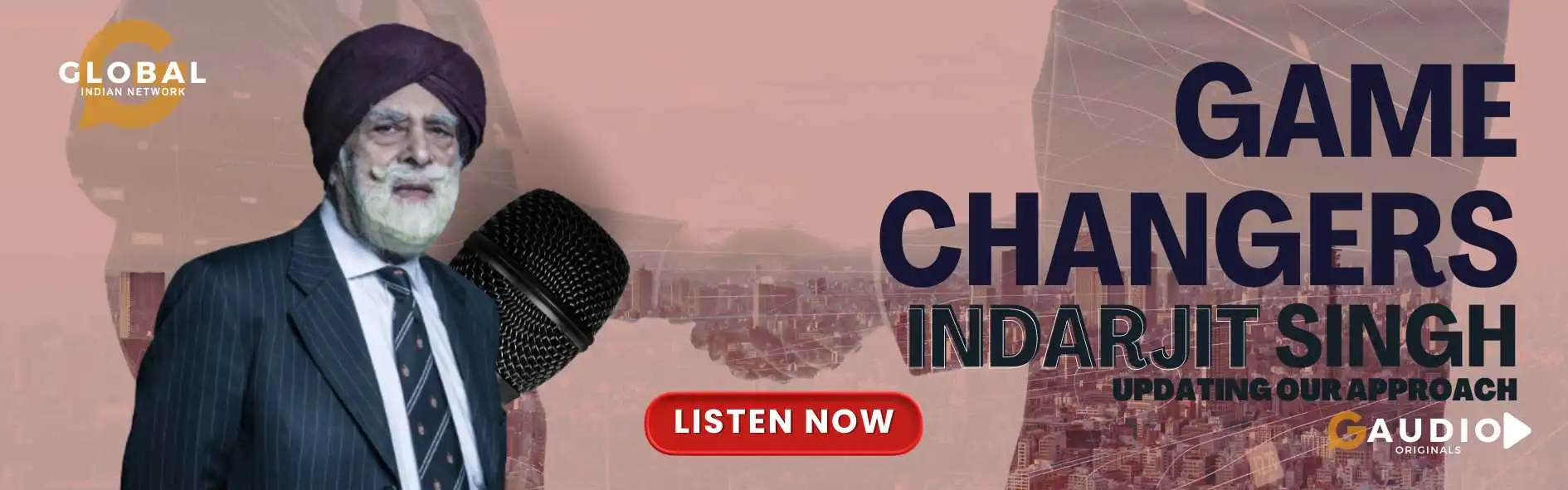
In a recent discussion with Lord Indarjit Singh, our conversation was not narrowly about Sikh identity. Instead, it turned to the larger questions shaping modern Britain, the tensions that followed Brexit, the nature of public discourse, and how societies navigate disagreement.
As Lord Singh reflected during our conversation:
The strength of a free society is not that people always agree. It is that they are free to disagree without fear.”
In another conversation with Hardeep Singh from the Network of Sikh Organisations, we explored the responsibilities that come with living in a plural society.
As he observed during our dialogue:
Pluralism only works when every community feels the law protects them equally. The moment people believe the rules are different for some and not others, trust begins to erode.”
What struck me in both conversations was something simple yet profound.

The antidote to misunderstanding has never been silence. It has always been a conversation. Honest conversation. Open conversation. Sometimes an uncomfortable conversation. But conversation nonetheless.
The danger arises when the boundaries around speech become vague enough that people begin to censor themselves before those conversations can even begin.
We are living in a moment when Britain itself is wrestling with questions of identity and belonging. Elections increasingly revolve around debates about ethnicity, immigration and national identity. Communities sometimes feel drawn into tensions that reduce complex individuals into simplified categories.
Yet the real strength of Britain has always been something deeper.
It has been the quiet confidence that people of many backgrounds, beliefs and traditions can live together under the same law, with equal protections and equal freedoms.
If that principle begins to erode, the consequences will not affect one community alone. They will ripple across society.
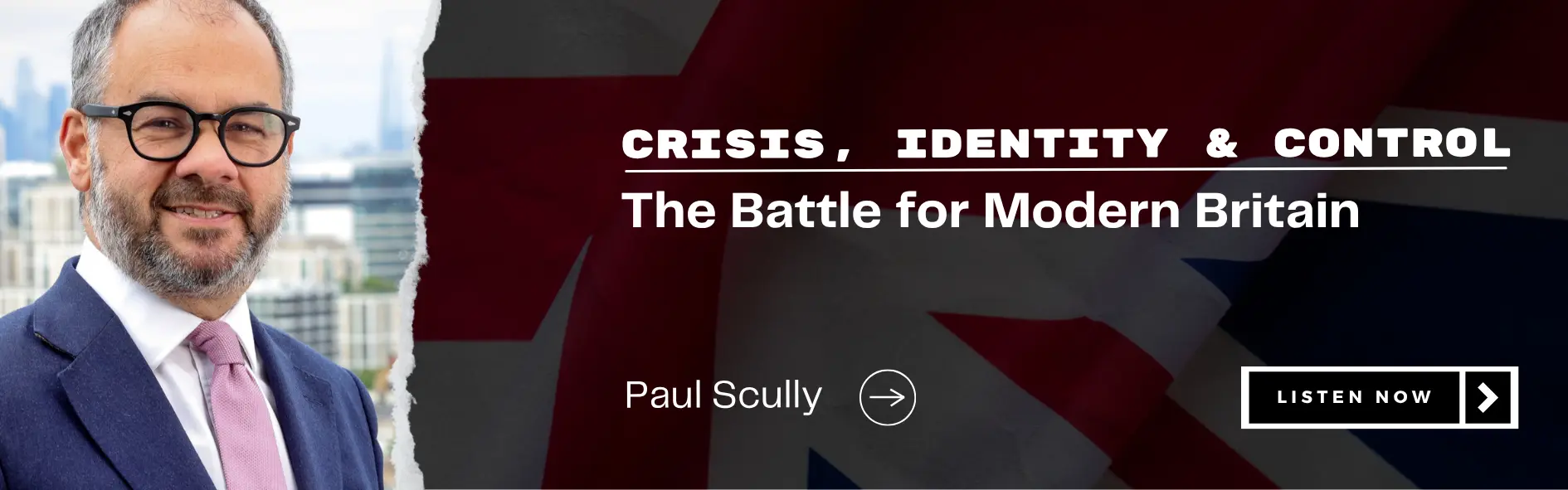
This is why the Network of Sikh Organisations, alongside a number of allied groups concerned with freedom of belief and expression, has taken the step of preparing a judicial review to challenge the government’s decision.
Legal challenges are not undertaken lightly. They require resources, patience and public support. But they are also one of the mechanisms through which democratic societies test the boundaries of law and principle.
The courts remain one of the few places where those principles can still be examined openly.
For those who believe that freedom of belief, freedom of speech and equality before the law matter, not only for Sikhs but for everyone, you can learn more about the legal challenge and support the effort here: Fundraiser link
Sometimes the most important conversations are the ones that defend the right to keep having conversations at all.
And that, perhaps, is the real issue before us today.
Let us know your thoughts. If you have burning thoughts or opinions to express, please feel free to reach out to us at larra@globalindiannetwork.com.